
Last updated November 16, 2026
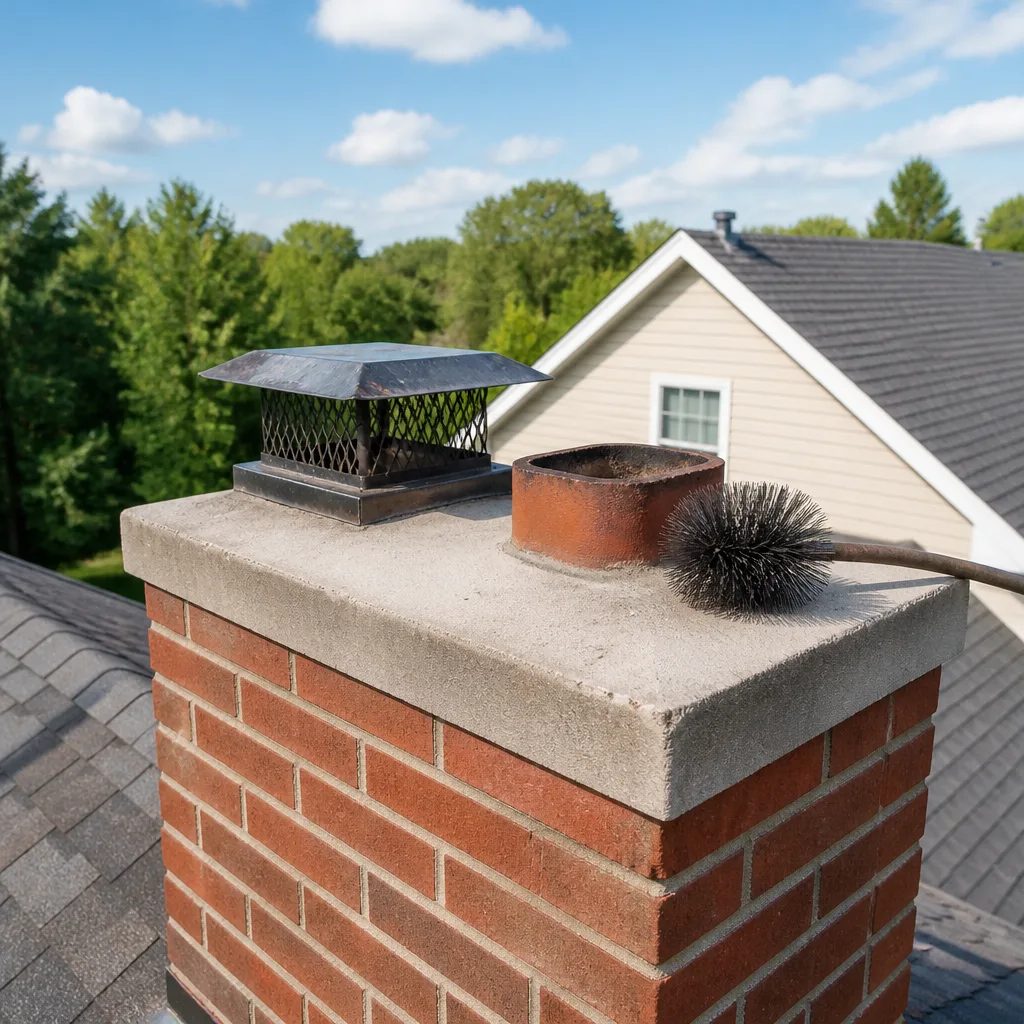 Sweep & inspection
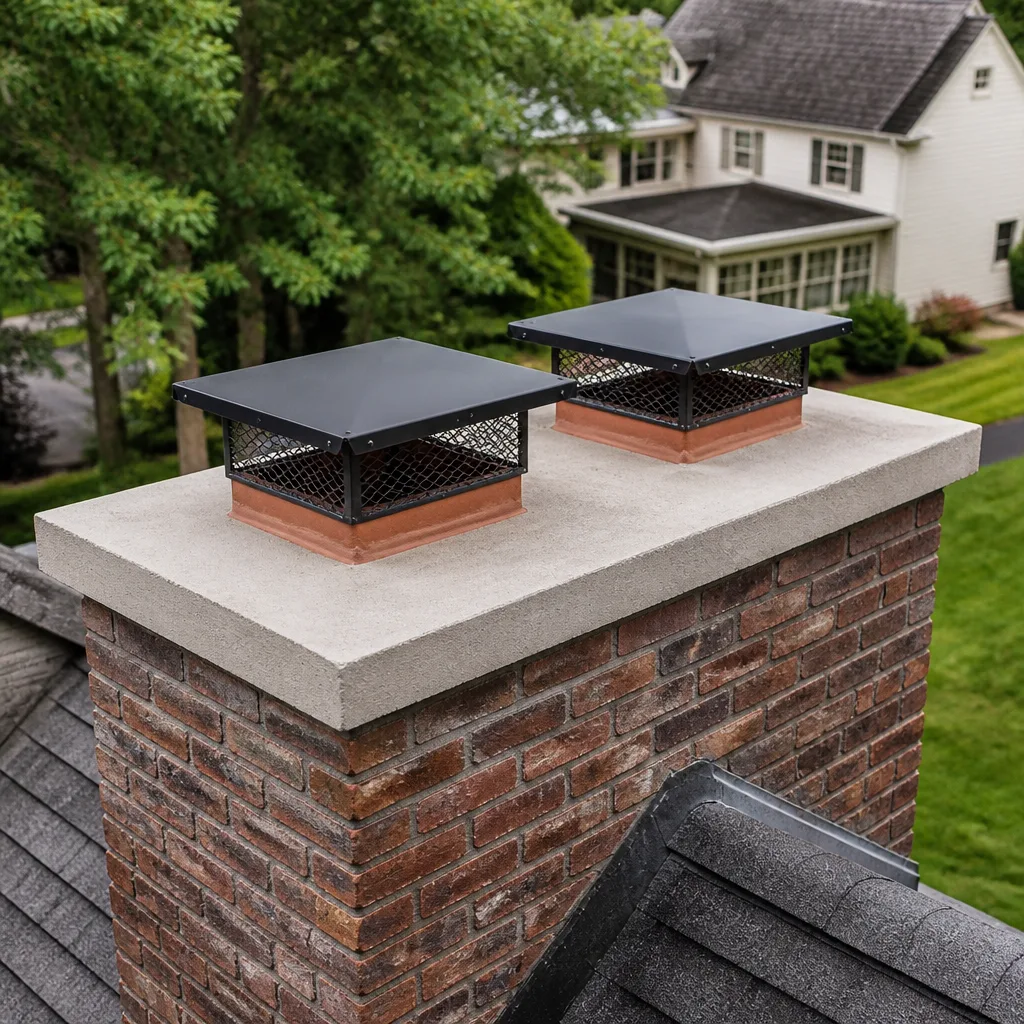 Caps & crowns
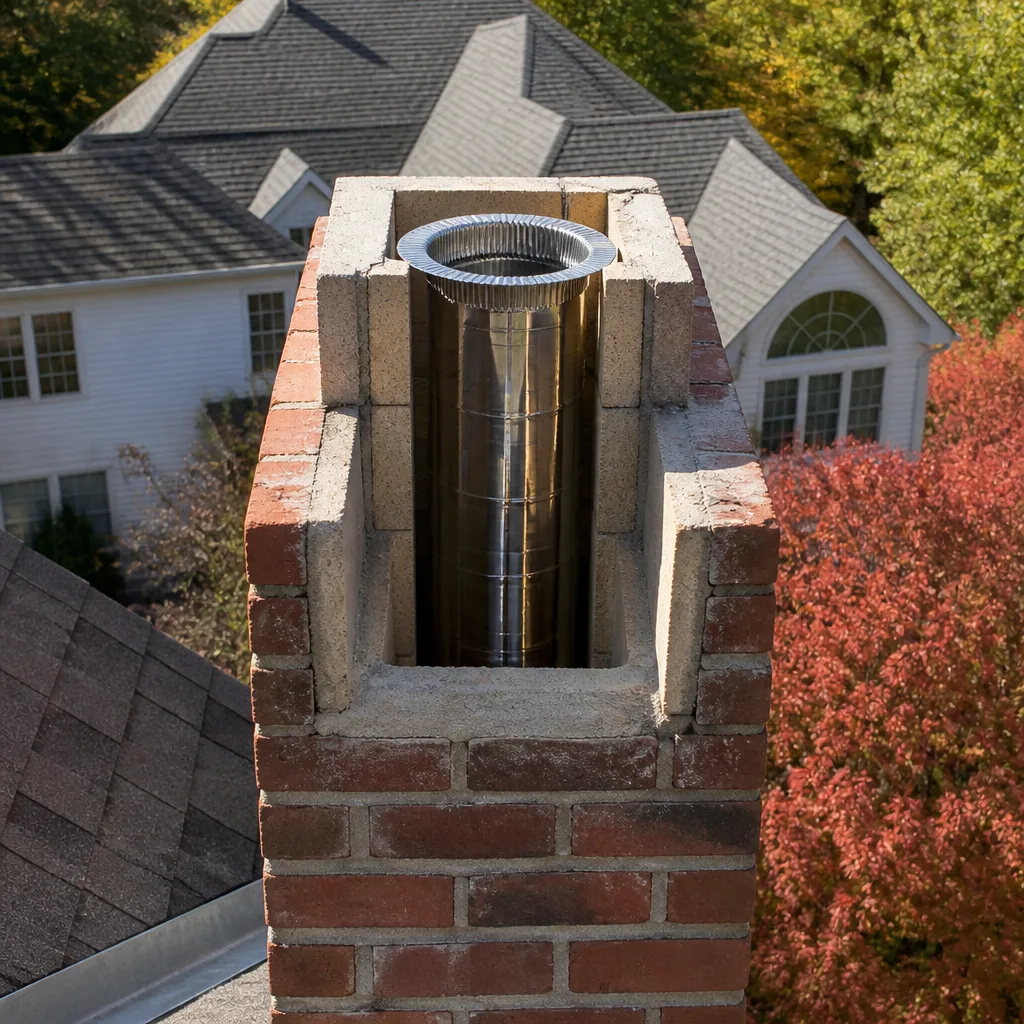 Flue relining
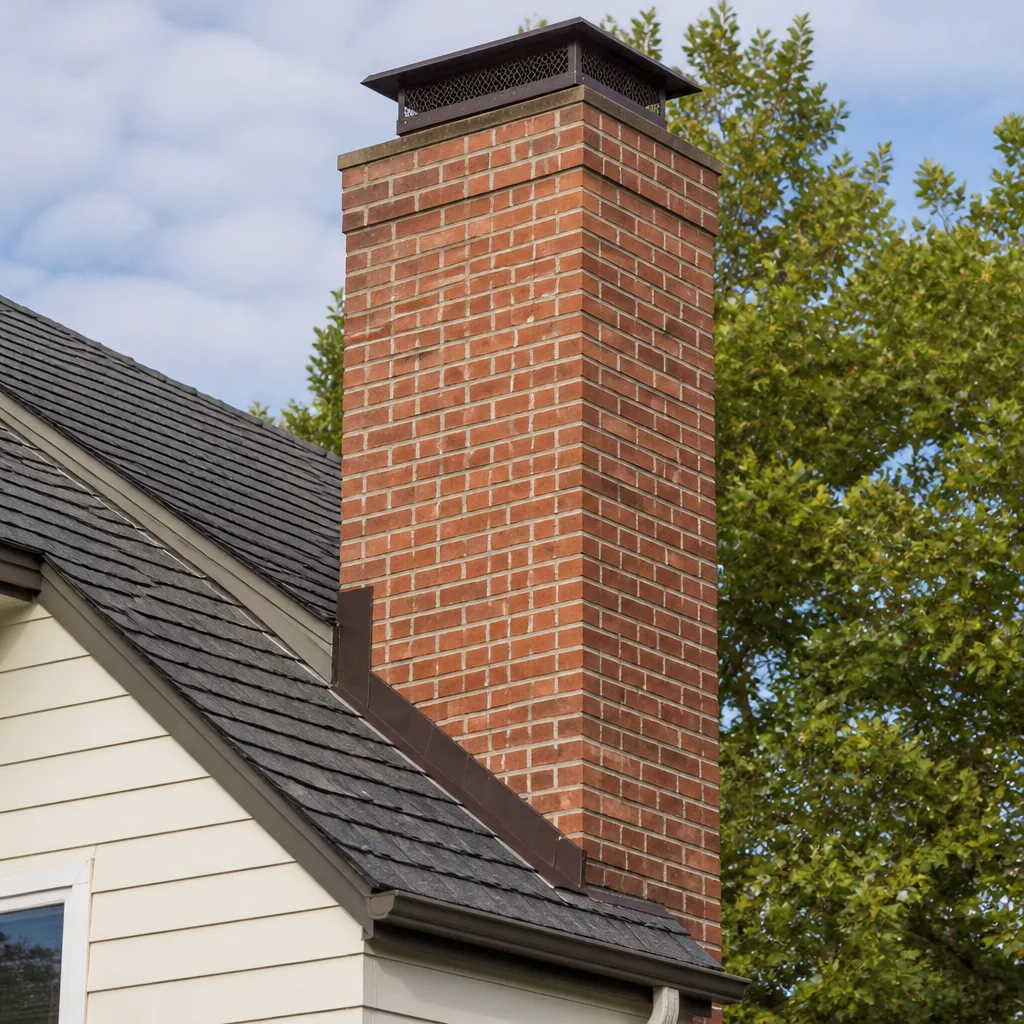 Masonry repair
 Gas fireplace service
Level 1 sweep and inspection to the NFPA 211 annual standard - flue, crown, cap, and flashing checked and photographed
Chimney sweep logs do not sweep chimneys. They loosen some creosote - which then falls where a brush and vacuum still have to collect it.
Chimney Cleaning Warning Signs: A St. Paul Homeowner’s Reference Guide
Most chimney warning-sign articles tell you to watch for smoke rolling into the room or a pile of soot on the hearth. By the time either shows up, the problem has usually been developing for a season or two. The signs that actually matter in a St. Paul home are quieter: a chalky white bloom on the brick, a hairline of mortar missing from a joint, a fire that used to light easily and now doesn’t. Minnesota winters work on masonry and liners in a specific way, and the damage they cause announces itself early if you know the vocabulary. This guide is that vocabulary. It’s a field reference for what to look at, what each sign actually means, and which ones can wait.
Quick Answer
The most important early warning signs of a chimney that needs cleaning or service are efflorescence (white staining on exterior masonry), spalling brick faces, mortar joints recessed more than about a quarter inch, a damper that sticks or shows rust, changes in how the fire drafts, and unfamiliar odors from the firebox. In St. Paul, these signs usually trace back to water moving through masonry during freeze-thaw cycles rather than to a simple soot buildup. Signs that allow continued use with monitoring are cosmetic staining, light soot, and a slightly stiff damper. Signs that call for service before the next fire are spalling, deep mortar recession, rust through metal components, and any sudden draft failure.
Styles & brands we work with
- Sweep & inspection
- Caps & crowns
- Flue relining
- Masonry repair
- Gas fireplace service
Table of Contents
- Exterior Masonry Signs: What the Outside of Your Chimney Is Telling You
- Efflorescence: The White Staining That Precedes Liner Damage
- Interior Signs Homeowners Misread: Odors and What They Diagnose
- Damper and Throat Checks You Can Do Without Tools
- Draft Behavior as Diagnostic Data
- Monitoring Signs vs. Stop-Now Signs
- Why the St. Paul Heating Season Changes the Timeline
- Neighborhood Notes: What We See Across St. Paul Housing Stock
Exterior Masonry Signs: What the Outside of Your Chimney Is Telling You
The outside of a chimney is the most honest part of the system. It shows what’s happening inside the masonry before the inside of the flue shows anything. St. Paul’s climate cycle is the reason: moisture soaks into brick and mortar during thaws and rain, then freezes and expands when temperatures drop. That expansion is forceful enough to push brick faces off and open mortar joints. Repeat that cycle across a Minnesota winter and the masonry begins to fail from the outside in.
Here’s what to look for on a walk around the house:
- White, chalky staining. Called efflorescence. It’s salt pushed to the surface by water moving through the masonry. Covered in detail in the next section.
- Flaking or peeling brick faces. Called spalling. The face of the brick has separated and is coming off. Sand or brick chips on the roof or ground below the chimney are the tell.
- Recessed mortar joints. Run a finger along a joint. If the mortar sits flush with the brick, it’s fine. If it’s recessed, note the depth.
- Rust stains on the exterior. Rust streaks near the damper or firebox area of the exterior usually mean a metal component inside is corroding.
- A leaning or tilting chimney. Any visible lean is a structural warning, not a cosmetic one.
- Cracked or missing crown. The concrete cap at the top of the chimney sheds water. A cracked crown lets water straight into the masonry.
Do this walk-through once in fall, before the heating season starts, and once in spring, after the freeze-thaw cycle has done its work. Those two checks catch most of what develops during a St. Paul year.
Mortar Recession Depth: What the Numbers Mean
Depth matters more than presence. A mortar joint that’s slightly pitted is normal aging. A joint recessed roughly a quarter inch is worth documenting and watching through the season. A joint recessed significantly past that, especially if you can see the brick edges standing proud with no mortar between them, is losing its ability to hold the masonry together and to keep water out. At that point the chimney isn’t just a water problem; it’s a structural one. We don’t give a depth number past “significantly recessed” because the call depends on the whole chimney, not one joint. But a quarter inch is the threshold where we start recommending a professional look rather than continued watching.
Efflorescence: The White Staining That Precedes Liner Damage
Efflorescence gets dismissed as cosmetic because it wipes off. That’s the trap. The white bloom is salt left behind after water has moved through the masonry and evaporated off the surface. Wiping it off removes the evidence, not the water. The water is still inside the brick, and it typically precedes liner damage by one to two heating seasons. In our experience, a chimney with active efflorescence almost always has a water-entry problem above it: a failed crown, a missing or badly fitted cap, or deteriorated flashing at the roofline.
Efflorescence is different from the two things it gets confused with:
- Mold or mildew. Efflorescence is crystalline and powdery. It dissolves in water. Mold is organic, usually green or black, and does not dissolve.
- Mortar staining. A freshly repointed chimney can show a lighter mortar color. That’s not efflorescence; it doesn’t effloresce and re-bloom after rain.
If efflorescence returns after a rainstorm, the moisture source is still active. The fix is to find where water is getting in, not to clean the brick. That’s where properly fitted terminations matter: a chimney cap and flashing from Gelco or Famco closes the top and the roofline, the two places water most often enters. A cap that doesn’t fit correctly is nearly as bad as no cap; it channels water into the flue instead of away from it. If your chimney shows efflorescence, treat it as a water-intrusion warning and get the top of the chimney inspected before the next heating season.
Interior Signs Homeowners Misread: Odors and What They Diagnose
Smell is diagnostic. The type of odor coming from a firebox or flue usually points to a specific cause, and homeowners routinely misattribute it. Here’s the field guide:
- Sharp, acrid, campfire-like smell. Creosote. It’s a normal byproduct of wood burning, but a strong smell that persists when the fireplace isn’t in use means there’s enough buildup in the flue to be noticeable. This is the signal to schedule a sweep.
- Musty, earthy, damp smell. Moisture intrusion. Water is in the masonry or the flue. Usually paired with efflorescence on the exterior.
- Ammonia or animal-waste smell. Animal nesting. Birds, squirrels and raccoons are the common culprits. The smell is distinct from creosote and often carries debris with it into the firebox.
- Rotten-egg or gas smell. If you have a gas appliance, this is a stop-now signal. Leave the home and call your gas utility. Don’t troubleshoot it yourself.
- Dusty, ashy smell with no fire burning. Usually means the damper isn’t closing completely or the flue has an open path to the house.
An odor you’ve never noticed before, in a fireplace you’ve used for years, means something changed. It’s not a reason to panic. It is a reason to have the flue looked at before you light the next fire.
What About Soot and Creosote on the Firebox?
A thin, even dusting of soot inside the firebox is normal. Glazed, shiny, tar-like creosote on the firebox walls or the damper is a sign that the flue is cooler than it should be. In St. Paul, that often points to a wood-burning appliance that isn’t drafting well or wood that’s too wet. Glazed creosote is harder to remove with a standard sweep, which is where a professional assessment matters. A sweep may need to resurface the flue with HeatShield rather than just brush it, depending on what the inspection finds.
Damper and Throat Checks You Can Do Without Tools
The damper and the smoke chamber above it are accessible during a routine homeowner check. Shine a flashlight up into the firebox with the damper open and look at these things:
- The damper plate and frame. Rust on either is a water signal. The damper is metal, and metal only rusts when it’s been wet.
- The damper’s movement. It should open and close smoothly. A damper that binds, sticks or won’t seat fully closed is letting heat and moisture into the house year-round.
- The throat and smoke shelf. Look for cracks, gaps, or material that’s crumbled away. The smoke shelf is where a chimney often fails first; it’s a horizontal surface that catches moisture and debris.
- Debris type on the smoke shelf. Sand or grit means spalling brick above. Twigs or nesting material means animals. A gray, fine ash is normal. Black, flaky or tar-like debris is creosote and needs a sweep.
- The firebox lining. Bricks should be tight, with intact mortar. Missing chunks or cracks in the firebox lining call for a professional look before the next fire.
Do this check with a flashlight before the heating season starts. If you see rust or a damper that won’t close, note it and have it assessed. A rusted damper is one of the most reliable interior indicators of a water problem that’s already working on the liner.
Draft Behavior as Diagnostic Data
Here’s the sign that shows up most often without anyone recognizing it for what it is: a chimney that always drew well suddenly doesn’t. If your fire smokes into the room, or lights slowly, or the flame won’t stay lit, that’s data. The chimney is telling you something changed. In Minnesota homes, there are three likely causes, and they point to three different fixes.
- A flue obstruction. Creosote buildup, animal nesting, or a partial collapse inside the flue. This is the most common cause of a sudden draft failure in St. Paul, and it’s the one that matters most because a partially blocked flue is a carbon monoxide risk. If the draft change is sudden and paired with any sign of debris in the firebox, stop using the fireplace and schedule an inspection.
- Pressure changes in the house. A new furnace, a bathroom exhaust fan, a kitchen range hood, or a remodel that tightened the envelope can all change how air moves through the home. A chimney that drafted fine for years can stop drafting when the pressure balance shifts. This cause is benign at the chimney but frustrating for the homeowner, because nothing is wrong with the chimney itself. The fix is usually draft-related, not a sweep.
- A wet flue. Water in the masonry or the flue changes how the chimney drafts and can reduce draw. Paired with efflorescence on the exterior, this is the most likely cause in a St. Paul chimney that’s been through several winters without a cap.
The draft change alone doesn’t tell you which cause it is. The pattern does. Pair the draft symptom with the interior and exterior signs above and the picture usually clarifies.
Monitoring Signs vs. Stop-Now Signs
The real question every homeowner asks is: can I keep using this fireplace, or not? Here’s the honest map. No upsell, just the distinction a technician makes on-site.
Signs that allow continued use with monitoring:
- Light, chalky staining that appears only on the surface and wipes clean.
- A thin, even soot layer in the firebox with no glazing.
- A damper that’s slightly stiff but still closes fully.
- A chimney with no visible exterior damage and no current water intrusion.
- A normal, wood-burning smell when the fireplace is in use.
Signs that call for service before the next fire:
- Spalling brick faces on the exterior.
- Mortar joints recessed past about a quarter inch.
- Rust on the damper, firebox or exterior metal components.
- Efflorescence that returns after rain (active water intrusion).
- Any sudden draft change with debris in the firebox.
- Animal nesting smell with debris on the smoke shelf.
- Any visible crack in the firebox lining or smoke chamber.
- A leaning or cracked chimney crown.
Monitoring signs are a reason to watch and schedule. Stop-now signs are a reason to stop burning and schedule. Neither is ever a reason to keep burning and hope.
Why the St. Paul Heating Season Changes the Timeline
A chimney in St. Paul goes through a different year than a chimney in a milder climate. The heating season here runs long, and it runs hot. That means the flue is exposed to much more sustained creosote production than it would be somewhere with a shorter winter. It also means the freeze-thaw cycle is doing its work on the masonry across the same months.
The practical implication is a timing problem. Signs that appear in spring need to be addressed before the next heating season, not simply noted. A mortar joint that recesses a little in April can be significantly worse by October. A hairline crack in the firebox lining in May can be a full failure by December. In St. Paul, the interval for scheduling is essentially the summer. That’s when the freeze-thaw cycle is dormant, when the flue is cleanest to inspect, and when a repair from a product line like HeatShield or DuraFlex can be specified and installed before demand picks up.
If you’ve been watching a sign for a couple of seasons and it hasn’t gotten worse, that’s meaningful data too. A chimney with stable mortar joints and no active water intrusion is a chimney that’s holding up. Our technicians have up to 11 years of experience and know what a stable St. Paul chimney looks like versus one that’s declining. If the sign has changed since last season, that’s the reason to schedule.
Neighborhood Notes: What We See Across St. Paul Housing Stock
St. Paul’s housing stock varies by neighborhood, and the chimney warning signs vary with it. A few notes from our field experience in St. Paul:
- Older masonry homes – neighborhoods like Cathedral Hill, Summit Hill and the West Seventh area – tend to have full masonry chimneys that show efflorescence and mortar recession more readily. The masonry architecture is beautiful and it’s also a lot of surface area for water to work through.
- Mid-century and post-war homes – areas like Highland Park and St. Anthony Park – often have chimneys built with a different brick-and-mortar profile. The warning signs skew toward cracked crowns and damper rust rather than extensive spalling.
- Homes with oil or gas heating appliances in older neighborhoods often have flues sized for the original appliance and undersized for the current one. That’s not a warning sign per se, but it’s a reason to have the flue inspected carefully if a heating appliance has been swapped.
- East Side and North End homes with mixed exterior masonry often have the most active efflorescence because the exterior wall profiles and rooflines create more water-shedding problems.
None of these are hard rules. They’re patterns we’ve seen repeated enough to know where to look. If your St. Paul home is on the older end of the stock, budget a little more scrutiny on the exterior masonry check.
Common Mistakes to Avoid
- Treating efflorescence as cosmetic. It wipes off, which makes it feel like a cleaning problem. It’s a water problem, and the water is still inside the masonry when you’re done wiping.
- Ignoring a draft change because “the fire still lights.” A fire that lights but doesn’t draw is often one with a partial obstruction. That’s a carbon monoxide risk, not a comfort issue.
- Sweeping the chimney but not inspecting the exterior. A clean flue and a deteriorating chimney crown are two separate problems. A sweep doesn’t fix the crown, and an inspection that doesn’t include the exterior misses half the picture.
- Putting off mortar repairs through a St. Paul winter. A joint that’s slightly recessed in fall can be a joint that’s significantly recessed by spring. The freeze-thaw cycle doesn’t pause for the calendar.
- Reusing a cap that doesn’t fit. A cap that’s been repurposed from another chimney usually channels water into the flue instead of away from it. Fitted terminations from Famco or Gelco are specified for the chimney, not adapted to it.
- Confusing a stiff damper with a stuck damper. A stiff damper is a monitoring sign. A damper that won’t close fully is a sign of a warped or rusted plate, which is a service sign.
- Skipping the flashlight check. The 5-minute interior look catches rust, debris type and firebox cracks before they become expensive. It’s the cheapest inspection you can do.
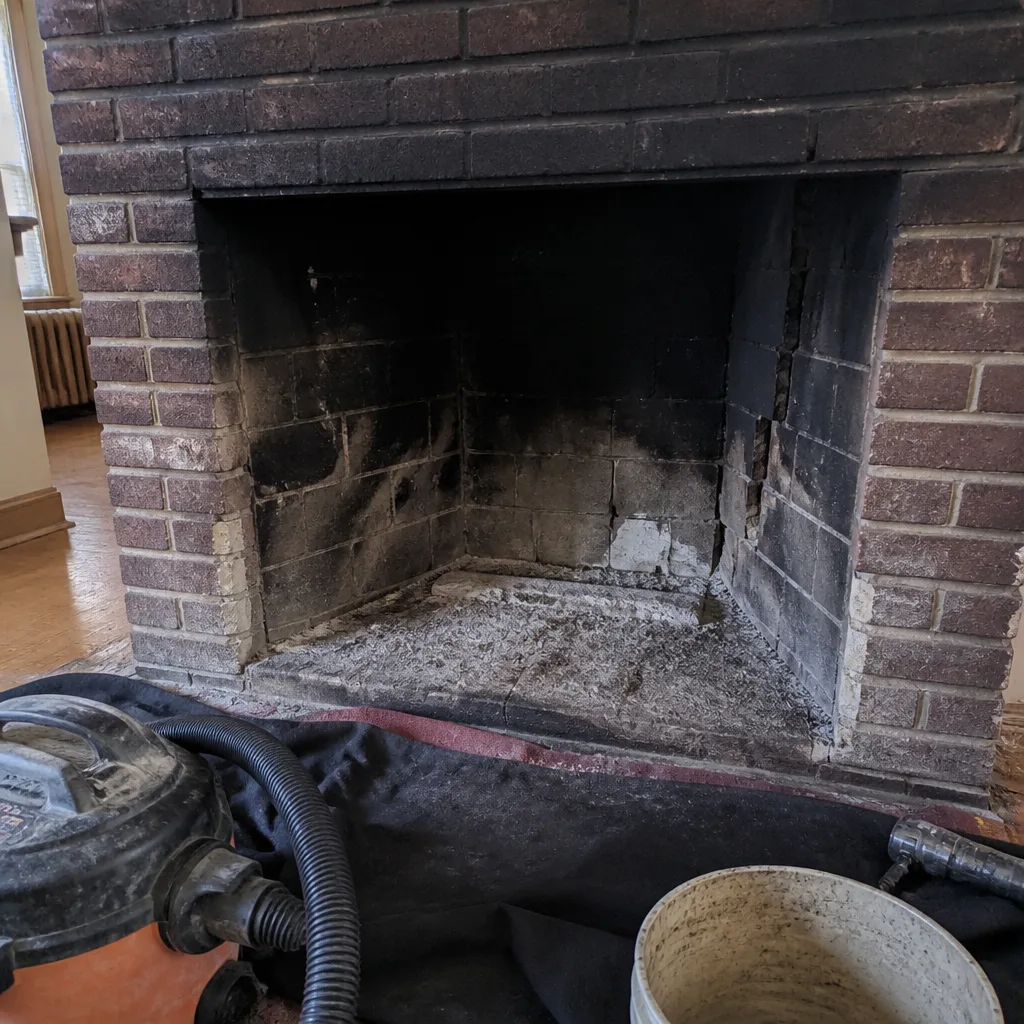
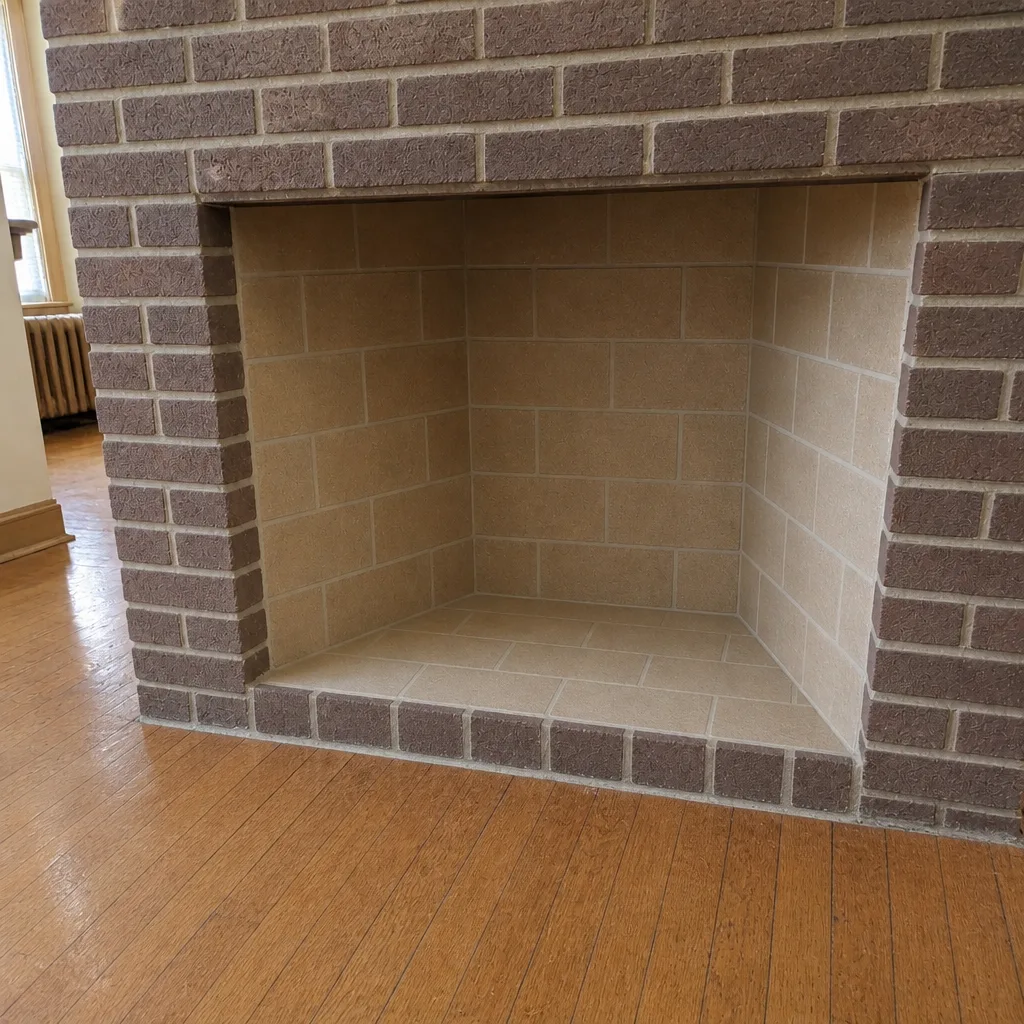
See the difference
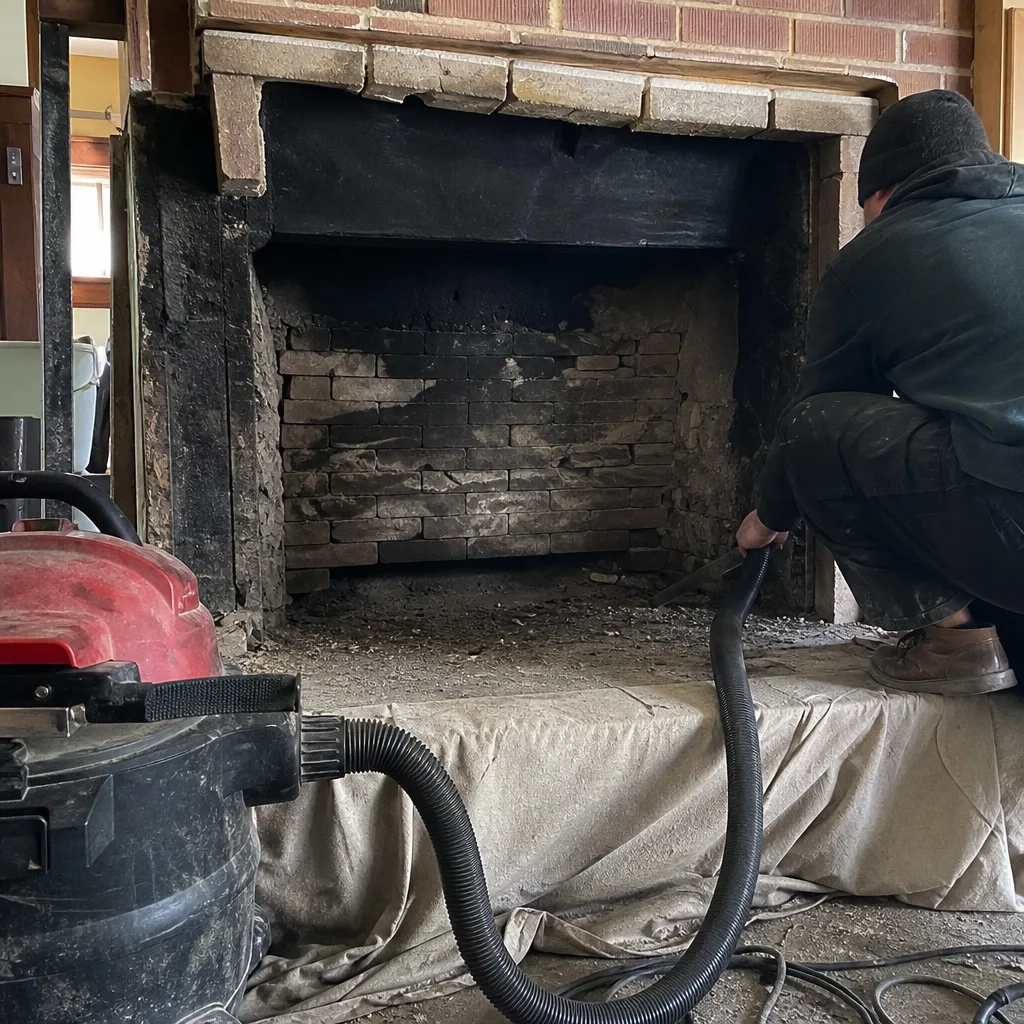 Before
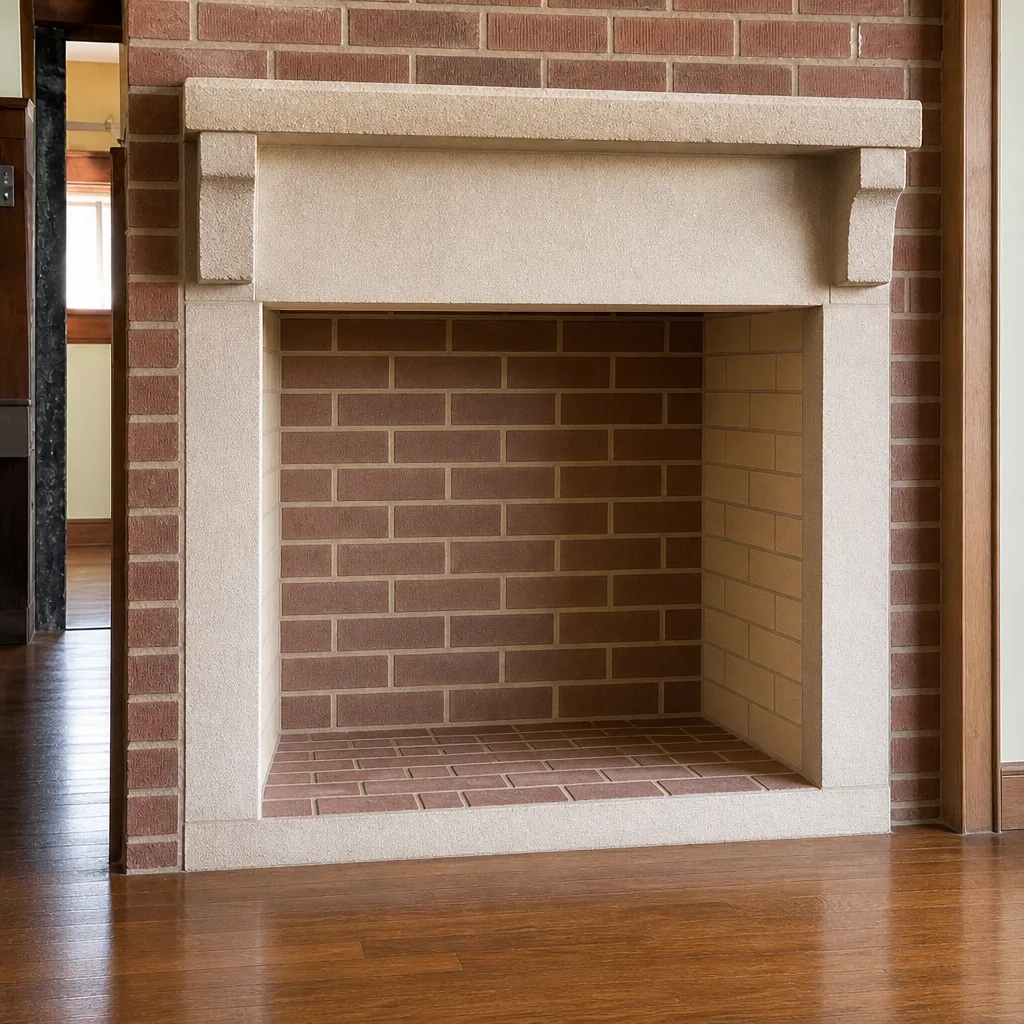 After
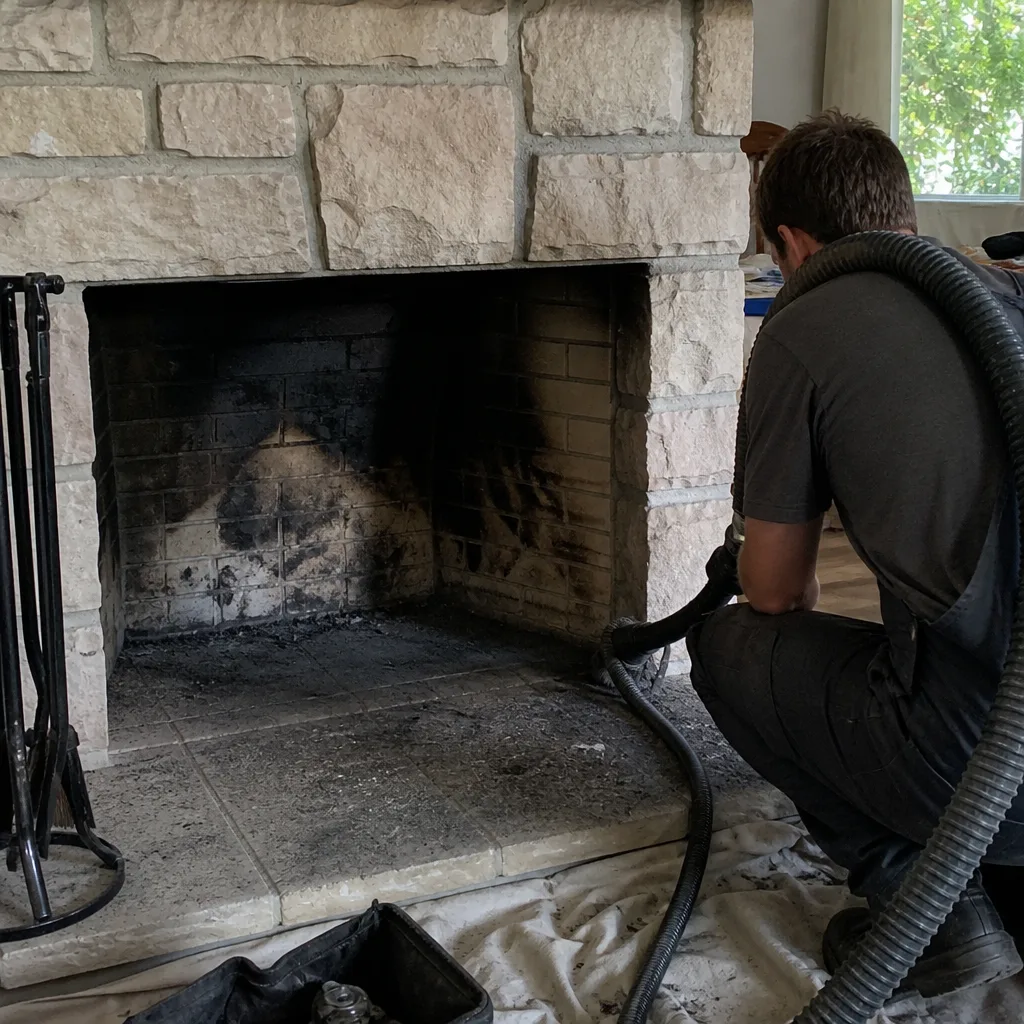 Before
 After
 Before
 After
When to Call a Professional
Call a professional when you see any stop-now sign: spalling brick, deeply recessed mortar, rust on the damper or firebox, active efflorescence after rain, a draft change with debris, an animal smell with debris, a firebox crack, or a cracked crown. Call when the sign has worsened since last season, even if it started as a monitoring sign. Call when you’re selling or buying a St. Paul home and need the system documented for the transaction or an insurer. And call before the heating season if you’ve never had the chimney inspected and you don’t know the system’s baseline.
A professional inspection documents the condition in writing, which is usable for real estate transactions and insurance requirements. Tundra Chimney Sweep offers free estimates in St. Paul. Call (866) 942-6061. We answer 24/7. Fast dispatch from 7am to 7pm, Sunday through Friday. Our technicians have up to 11 years of experience and will walk you through what they found and why it matters.
Frequently Asked Questions
For a wood-burning chimney in St. Paul, the earliest reliable warning sign is usually a strong creosote smell from the firebox when the fireplace isn’t in use, or a visible efflorescence pattern on the exterior masonry. Efflorescence typically precedes liner damage by one to two heating seasons, so it’s the sign to act on first. Call (866) 942-6061 for a free estimate if you see either.
Yes, if it returns after rain. Efflorescence is the visible evidence of water moving through the masonry from the inside, and in a St. Paul chimney it’s the most reliable early indicator of a water-entry problem that will reach the liner. A one-time bloom that doesn’t come back is worth monitoring. A bloom that returns after every storm is a sign to call. Call (866) 942-6061 for a free estimate.
About a quarter inch is the threshold where a professional look is warranted. Below that, a joint is aging normally. Recessed significantly past that, with the brick edges visibly standing out, the chimney is losing its structural hold and its ability to keep water out. Call (866) 942-6061 for a free estimate and we’ll document what we find in writing.
A sudden draft change in a St. Paul chimney has three likely causes: a flue obstruction (creosote or animal nesting), a pressure change in the house from a new furnace or exhaust fan, or a wet flue from water intrusion. An obstruction is the cause that matters most, because a partially blocked flue is a carbon monoxide risk. Stop using the fireplace and get it inspected. Call (866) 942-6061 for a free estimate.
That depends on which sign. Cosmetic staining, light soot, a slightly stiff damper and a normal wood-burning smell are monitoring signs – keep using the fireplace and schedule an inspection. Spalling, deep mortar recession, rust, active efflorescence, a draft change with debris, or a firebox crack are stop-now signs – stop burning until the chimney is inspected. Call (866) 942-6061 if you’re not sure which category your sign falls into.
You don’t have to repair it, but a written inspection documents the system’s condition for the transaction, which a buyer and their insurer will typically want. An inspection tells you what the next owner is inheriting and gives you an evidence-based answer if a buyer’s inspector flags something. Call (866) 942-6061 for a free estimate. Our technicians have up to 11 years of experience and document findings in writing.
The Bottom Line
The chimney warning signs that matter most in St. Paul are quiet: efflorescence on the exterior, a spalling brick face, a mortar joint recessed past a quarter inch, a damper that rusted, a fire that used to draw and now doesn’t. These are the early signals, and in a Minnesota climate they’re the ones that show up a season or two before the failure they precede. The late signals – smoke in the room, heavy soot – are already the expensive part. Do the exterior walk-through and the flashlight check once in fall, once in spring. Watch what changes. And when a stop-now sign appears, stop burning and schedule an inspection rather than waiting for a milder sign to appear.
The product lines we work with – DuraFlex, HeatShield, Gelco and Copperfield – exist for the reasons these warning signs predict. A cap that fits correctly from Gelco or Famco closes the water source. A flue resurfaced with HeatShield addresses the liner before it fails. A DuraFlex system replaces a flue that’s already past saving. Each of those is a repair that came from a warning sign someone caught in time. If you’ve been watching a sign and putting it off, call us. A chimney sweep and inspection will tell you what you’re actually looking at. If you need chimney repair, the estimate will spell out the work and the product line, with nothing recommended that the inspection can’t show you. Tundra Chimney Sweep handles sweep, repair and inspection together, so you’re not coordinating a separate inspector after the work is done.
Call (866) 942-6061. We answer 24/7. Fast dispatch from 7am to 7pm, Sunday through Friday. Closed Saturday; a call that comes in outside dispatch hours is booked into the next opening. Free estimates.
Written by the team at Tundra Chimney Sweep.