
Last updated November 16, 2026
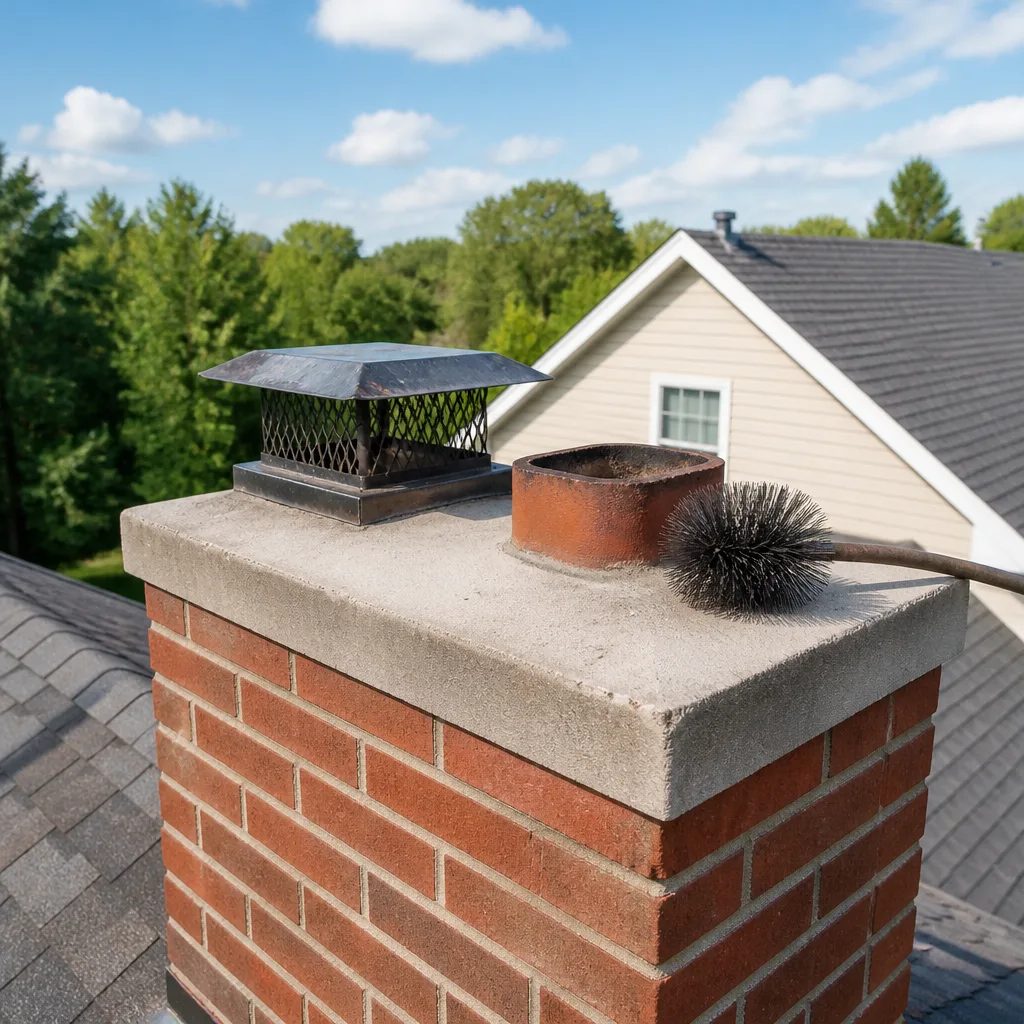 Sweep & inspection
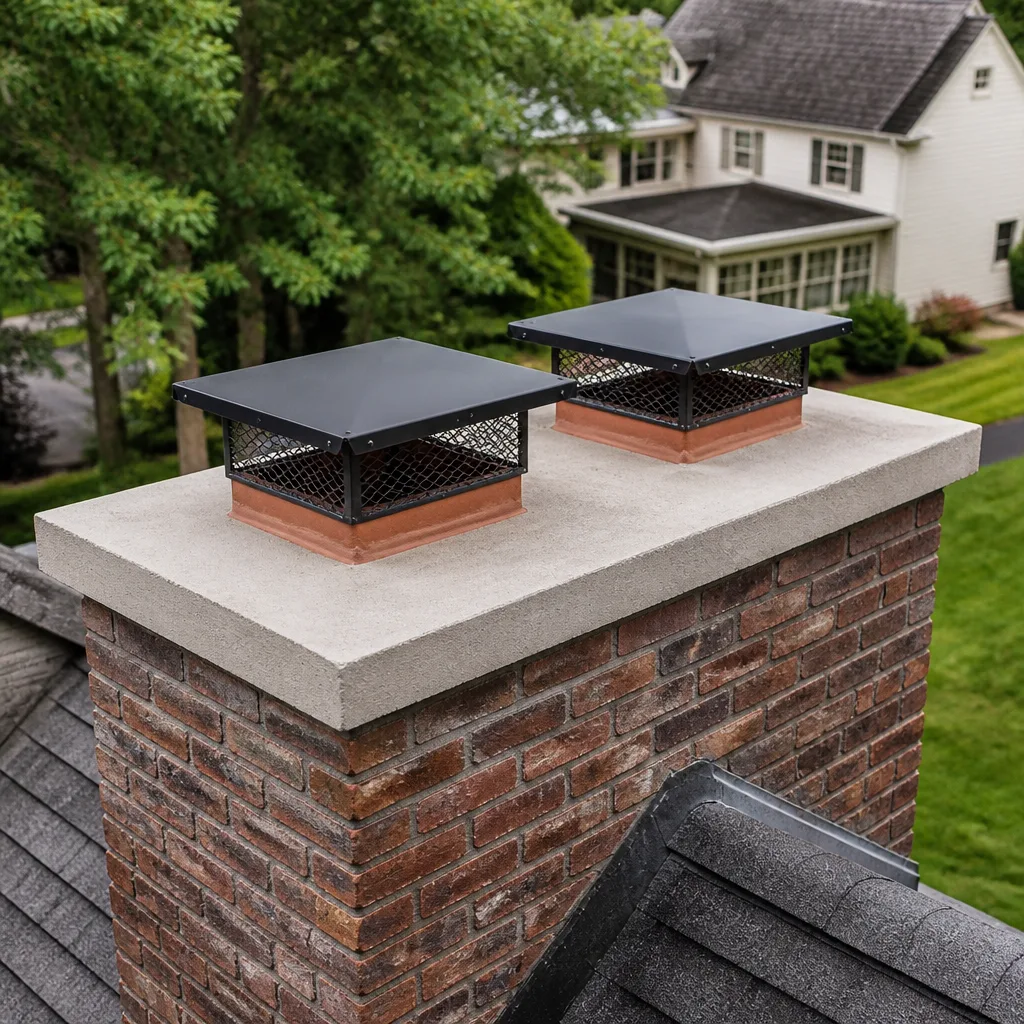 Caps & crowns
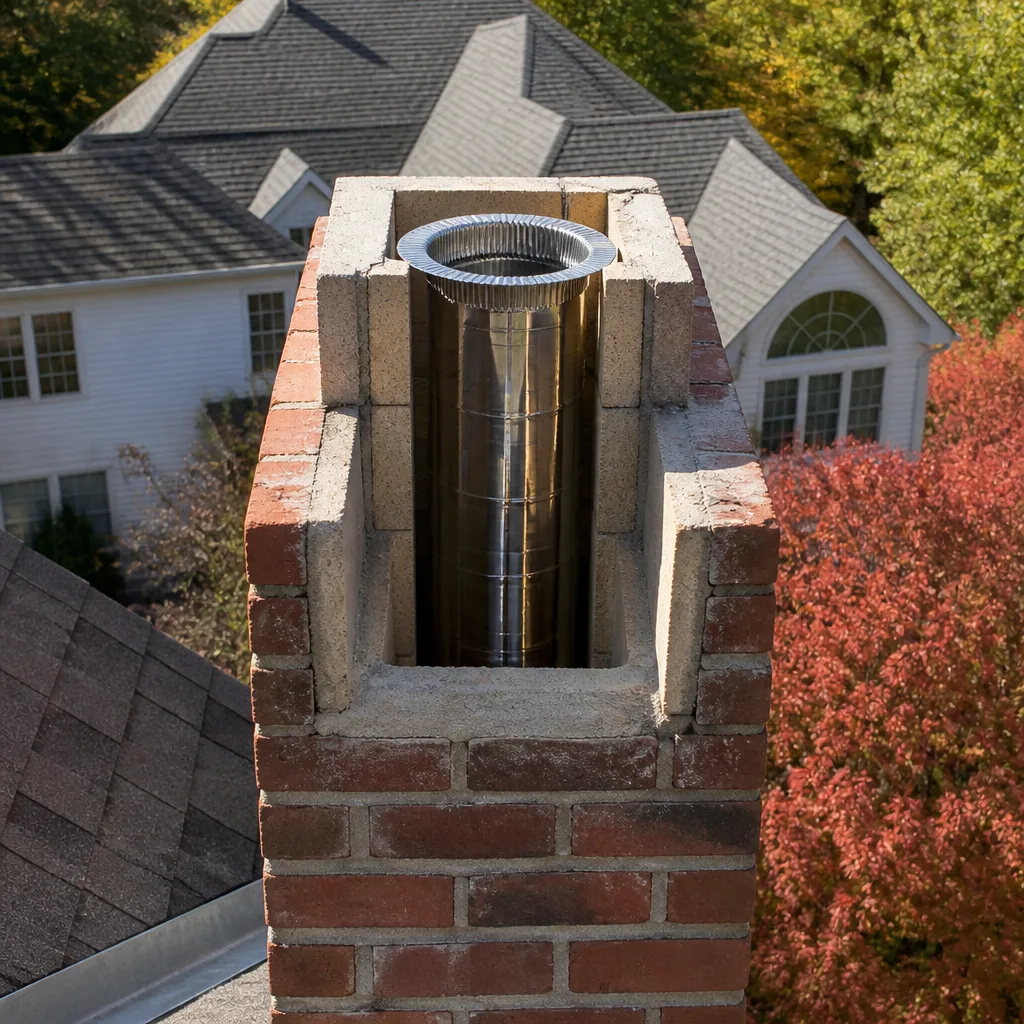 Flue relining
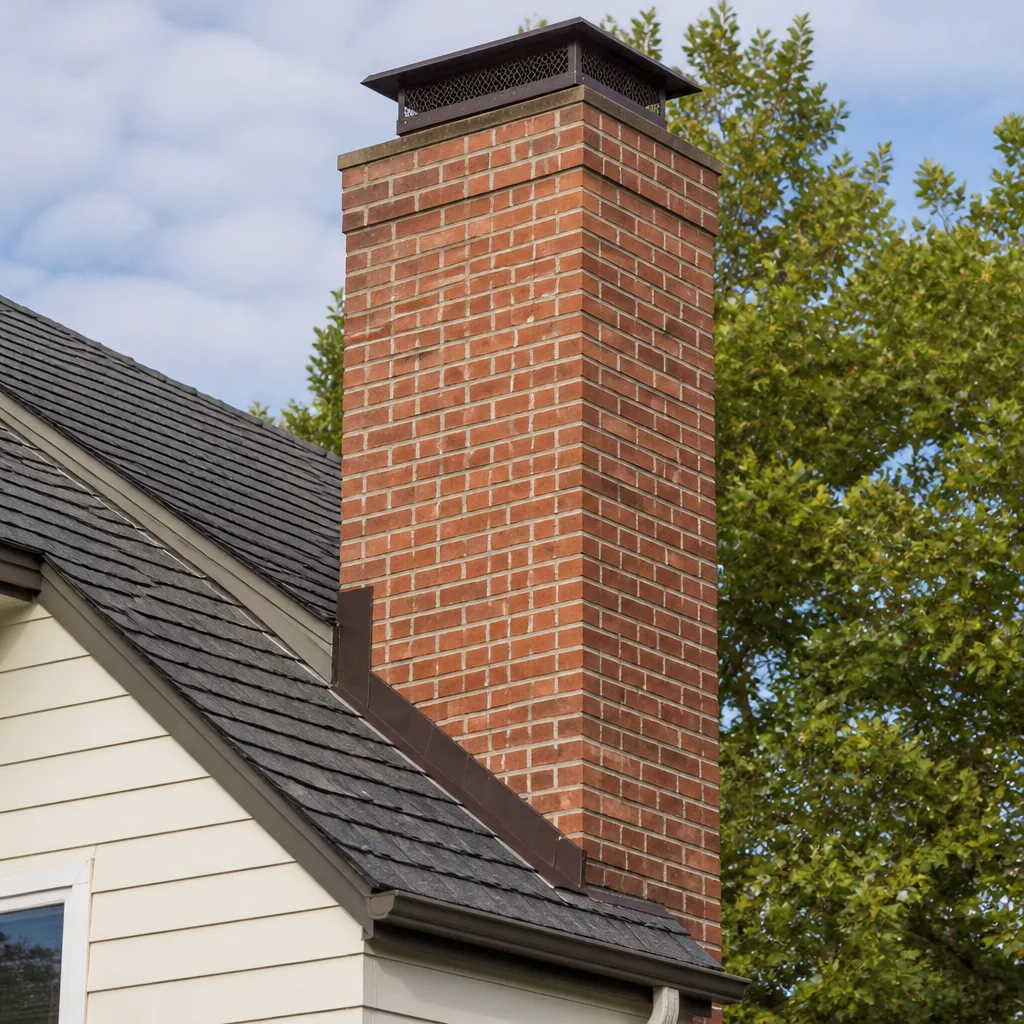 Masonry repair
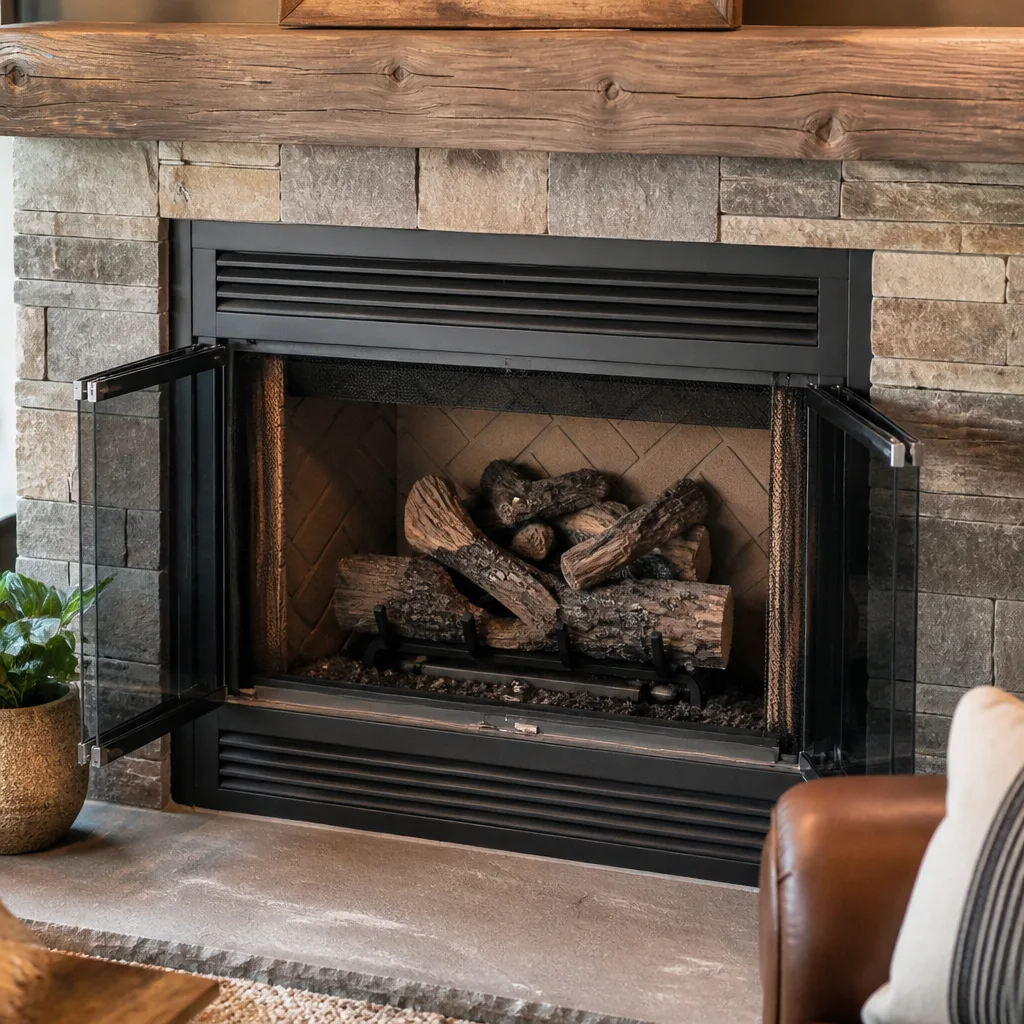 Gas fireplace service
Level 1 sweep and inspection to the NFPA 211 annual standard - flue, crown, cap, and flashing checked and photographed
Chimney sweep logs do not sweep chimneys. They loosen some creosote - which then falls where a brush and vacuum still have to collect it.
Chimney Cleaning Permits, Codes & Inspections in St. Paul, MN: What You Need to Know
Here’s the misconception we hear most often: a chimney sweep is a maintenance visit, so nothing about it touches the building code. Often true. But the moment a cleaning turns up a failed liner, a damaged connector, or a cap that has to be cut apart and refitted, the job crosses a line. In St. Paul, some of that repair work needs a permit and some of it doesn’t, and the difference has less to do with how big the job looks than with what part of the system is being replaced. This guide walks through which chimney services require a permit under the Minnesota State Building Code, how NFPA 211 gets applied in Ramsey County, when a cleaning inspection obligates a contractor to put findings in writing, and how permit records follow a house through a sale.
Quick Answer
In St. Paul, routine chimney cleaning and inspection are maintenance and do not require a building permit. Repairs that alter the chimney system, such as replacing a flue liner, changing an appliance connector, or modifying a cap or termination, generally do require a permit through the city’s building department under the Minnesota State Building Code. The permit is normally pulled by the contractor doing the work, and the inspection that comes with it is what gives you a paper trail for insurance and resale.
Styles & brands we work with
- Sweep & inspection
- Caps & crowns
- Flue relining
- Masonry repair
- Gas fireplace service
Table of Contents
- Which chimney services need a permit in St. Paul, and which don’t
- How NFPA 211 is adopted and enforced in Ramsey County
- When a cleaning inspection triggers a written disclosure
- How chimney permit records affect real estate transactions in St. Paul
- The permit process for liner work, start to finish
- What gets inspected after the work, and by whom
- Keeping records that hold up years later
- Cleaning versus inspection: two different documents
Which chimney services need a permit in St. Paul, and which don’t
The dividing line is whether a service changes the chimney system or simply services it. Sweeping removes creosote and soot. An inspection documents condition. Neither alters the structure, the venting path, or a listed appliance connection, so neither requires a permit. Once you start replacing components, the work falls under the Minnesota State Building Code and usually needs one.
Here’s how we break it down in practice:
- Permit-exempt (maintenance): chimney sweeping, level 1 and level 2 inspections, removal of a bird nest or debris block, cap replacement where an existing cap is swapped for a same-size unit on the same crown, and minor firebox mortar touch-up that doesn’t change dimensions.
- Generally permit-required: full flue liner replacement, relining a masonry flue for a new appliance, changing an appliance connector, converting from oil to gas, installing or replacing a wood stove or insert with its own venting, and structural changes to the chimney chase or crown that affect how the flue vents.
- Judgment calls: HeatShield resurfacing of a liner that is deteriorated but structurally intact, spot repointing on a chimney above the roofline, and flashing repair at the roof penetration. These may or may not need a permit depending on scope, and your contractor should be able to say why either way.
What matters for a St. Paul homeowner is that the contractor tells you which category a job falls into before the work begins. A blanket “we don’t pull permits for that” from anyone doing liner work is a red flag. So is a permit pulled for a simple sweep. The right answer depends on the specific scope, and it should be stated plainly in writing.
How NFPA 211 is adopted and enforced in Ramsey County
NFPA 211 is the national standard for chimneys, fireplaces, vents, and solid fuel appliances. It’s not a law on its own. It becomes enforceable when a jurisdiction adopts it by reference, which in Minnesota happens through the state building code. That means when a St. Paul chimney is evaluated, the inspector is not applying NFPA 211 as an opinion. They’re applying the code section that adopted it, and the code is what carries legal weight.
In practice, this shows up in a few spots:
- Clearances. The standard sets minimum distances between a chimney and combustible materials. A sweep inspecting a flue behind a wall may find clearances that don’t match the code that was in force when the house was built, and the correction depends on whether the code applies retroactively. Usually it doesn’t, but a repair may still bring that section up to current requirements if you’re touching the system.
- Liner condition. NFPA 211 requires a lined flue. If the original clay tile liner has cracked or spalled, the flue is no longer compliant, and the fix is relining. Whether that’s a permit job depends on the method, which is where the judgment call sits.
- Terminations and caps. The standard specifies how a chimney terminates above the roof. Gelco and Famco caps we install are sized to those dimensions so the termination matches what an inspector will expect to see.
What’s the contractor’s call versus the code’s? The code sets the minimum. A contractor decides how to meet it. If a liner has failed in one section but not another, the standard still requires a continuous compliant flue. A contractor who proposes to patch a section of failed liner without addressing the rest is making a judgment that won’t survive an inspection. We’d rather specify a DuraFlex liner system that meets the standard in one pass than present a repair that looks cheaper on the bid and creates a problem at resale.
Our technicians have up to 11 years of experience reading these situations, and the judgment that matters most is knowing when a repair needs to go to the city and when it doesn’t. That call should never be a mystery to the homeowner.
When a cleaning inspection triggers a written disclosure
A cleaning visit is not automatically a code-enforcement event. But there are specific moments during a sweep when a technician sees something that has to be told to the homeowner in writing, because the condition affects safety or the legal status of the system. Those moments are predictable enough that a good inspection report documents them by default.
The scenarios where disclosure matters:
- Cracked or missing flue liner found during the sweep. This is a life-safety finding. It needs to be documented with photos, described in plain language, and paired with a recommended fix and a statement of what happens if it’s ignored.
- Blockage or heavy creosote in a flue serving an appliance. The finding needs to state the degree of buildup and whether the appliance can be safely operated until it’s addressed.
- Improper connector between the appliance and the chimney, especially on oil and gas equipment. An unlisted or damaged connector is a code concern and should be flagged.
- Missing or damaged cap or crown where water intrusion or animal entry is possible. Less urgent than a liner, but still worth documenting.
What the disclosure must include: the condition found, the location within the system, photographic or video evidence, the code or standard that applies in general terms, the recommended repair, and a plain statement of whether the system is safe to use as-is. “Recommend relining” on a receipt is not a disclosure. Here is what we found and why it matters, with evidence attached, is the standard a St. Paul homeowner should expect. Inspection documentation prepared this way is also what a real estate transaction and an insurance claim will ask for later, so it’s worth keeping.
How chimney permit records affect real estate transactions in St. Paul
Permit records are the closest thing a chimney has to a title history. When a St. Paul house changes hands, the buyer’s inspector looks at the chimney and the buyer’s attorney often pulls permit history. If a liner was replaced five years ago and there’s no permit on file, the assumption is that either the work was done without one or it wasn’t done at all. Both conclusions cost the seller, either in a price reduction or in a request for a fresh inspection before closing.
What buyers’ inspectors actually look for in the documentation:
- A permit number for any repair that altered the chimney system, with a matching final inspection date.
- A level 2 inspection report from a qualified technician, ideally with photos of the flue interior.
- Product documentation for the liner or components installed, so the buyer can confirm what’s in the flue. DuraFlex and Olympia Chimney systems come with manufacturer documentation that names the appliance class and listing, and that paperwork travels with the house.
- Caps and terminations that match the report. If the inspection said the cap was replaced with a Famco unit and the roof photo shows something else, the buyer’s inspector will ask why.
The pattern is consistent in our experience: a chimney with clean paperwork closes without a fight, and one without paperwork turns into a negotiation. If you’re planning to sell in St. Paul, a level 2 inspection before listing is the cheapest insurance you can buy against a late-stage surprise. Insurers, meanwhile, ask the same question from a different angle. When a chimney fire claim lands on their desk, the first thing they want is proof that the liner was replaced properly. A permit and a final inspection give them that proof. A handshake doesn’t.
The permit process for liner work, start to finish
Pulling a permit for chimney work in St. Paul is not complicated, and the contractor should handle it. The homeowner’s role is to confirm it happens and to keep the paperwork. Here’s the sequence:
- Scope is defined in writing. The contractor describes what’s being replaced, what product is being installed, and why. For a liner replacement this includes the appliance type, the flue dimensions, and the liner system being specified.
- The contractor pulls the permit. In St. Paul, the permit application goes through the city building department and identifies the licensed contractor doing the work. The contractor is responsible for the permit and the inspection that follows. A homeowner can pull a permit for their own property, but for liner work the more common arrangement is that the licensed trade handles it, because the inspection expects someone on site who can answer technical questions.
- The work is done. Insulation, liner installation, top plate, and cap are all part of the job. This is where a specified system like DuraFlex gets installed to fit the appliance class and the flue geometry, not a generic liner cut to length.
- The inspection is scheduled. The city inspector reviews the installation. Typical timelines in St. Paul run from a few days to a couple of weeks depending on the department’s workload, and the contractor schedules it.
- Final approval and records. The homeowner keeps the permit number, the inspection report, and the product documentation. Those three items are what get pulled out years later at a sale or a claim.
One thing to watch: if a contractor proposes liner work and says a permit isn’t needed, ask them what code section they’re relying on. Sometimes they’re right, and they should be able to say why. When the answer is vague, that’s the moment to slow down. Our chimney repair work starts with that conversation, so the homeowner knows what’s being permitted and what isn’t before anything is ordered.
What gets inspected after the work, and by whom
Two different inspections happen around chimney work, and they’re easy to confuse. The city building inspector reviews the permitted work against the code. A chimney technician performs a level 2 inspection to document the condition of the system after the work is complete. Both matter, and they serve different purposes.
The city inspector is looking at whether the installation meets the adopted code: clearances, listing, terminations, and the permit scope. Their report is short and administrative. It’s the record that the work was legally done.
The technician’s inspection is a field report on the whole system. It covers the flue interior, the firebox, the damper, the crown, the flashing, and the cap. It’s documented with photos and written condition notes. This is the document an insurer or a buyer will actually read, because it tells them what’s inside the chimney, not just that a permit was signed off.
In St. Paul, the practical consequence is that both should be on file after a liner job. If a contractor finishes the work, hands over a receipt, and moves on, the homeowner is missing half the paper trail. Our approach is to document the system in writing as part of the job, using the same inspection process whether the work was a clean-out or a full relining. It’s a single visit that produces a usable record, not three separate calls to schedule.
Keeping records that hold up years later
The paper trail matters more than the memory of the work. Ten years after a relining, the homeowner won’t remember which product went in or which contractor did it. What they’ll have is whatever was filed away. Here’s what to keep together, in one folder, digital or paper:
- Permit number and final inspection approval from the city.
- The level 2 inspection report with photos of the flue interior.
- The written estimate and final invoice, showing the scope of work.
- Product documentation for the liner system, cap, and any components replaced. HeatShield and Olympia Chimney both supply manufacturer paperwork that names the product and lists the appliance classes it’s rated for.
- Any annual sweep reports, so the history of the chimney is visible.
For property managers in St. Paul, the same list applies to each unit, filed by address. Insurers and buyers ask the same four questions in a different order, and having the folder ready ends the conversation quickly.
Cleaning versus inspection: two different documents
A cleaning removes creosote. An inspection documents condition. They happen on the same visit usually, but they produce different paperwork, and confusing the two is where a lot of St. Paul homeowners get caught short. A receipt that says “swept, no issues found” is not an inspection report. It’s a service line.
A proper inspection report, done to the level the situation calls for, includes the following:
- Type and condition of the liner, described section by section if there’s damage.
- Condition of the firebox, damper, smoke chamber, and flue.
- Crown, flashing, and cap condition, noted from the roof.
- Photos of anything flagged, including interior shots of the flue.
- A recommendation for each finding, with a statement of whether the system is safe to use as-is.
When a chimney sweep turns up nothing more than a moderate creosote load, the report is short and the recommendation is “schedule the next sweep based on how much you burn.” When it turns up a failed liner section, the report is the start of a repair conversation with a permit attached. Which one you get should not be guesswork. It should be documented either way, so that the record of the chimney is complete. If a report only shows up when there’s work to sell, that’s a pattern worth noticing.
Common Mistakes to Avoid
- Assuming a cleaning automatically means a permit. Most cleanings are maintenance-only. The permit question attaches to the repair, not the sweep. Ask what the scope of work is and let the answer drive the permit conversation.
- Letting liner work happen without a permit. A reline done without a permit is hard to unwind later. On a St. Paul sale, a missing permit for liner work is often resolved by the seller paying for a fresh inspection, and sometimes for a correction to the installation.
- Keeping a sweep receipt instead of an inspection report. The receipt proves someone came out. The inspection report is what an insurer reads after a claim or a buyer reads before a closing. Keep both, but expect to need the second.
- Accepting “we don’t need a permit” without a reason. Sometimes that answer is correct. When it isn’t backed by a code section or a scope description, it’s a guess dressed up as a policy.
- Treating a cap swap as always permit-exempt. Replacing a same-size cap on an existing crown is one thing. Changing the termination height or cutting the crown to fit a new unit is a system modification and may cross the line.
- Filing the paperwork in a place nobody will look. Product documentation for a liner is worthless if it’s lost. Keep it with the house records, not in a drawer at the office.
- Letting a chimney go two or three seasons between inspections in a house you just bought. The previous owner’s records may not reflect current conditions, especially on a flue that’s been under heavy heating load for years.
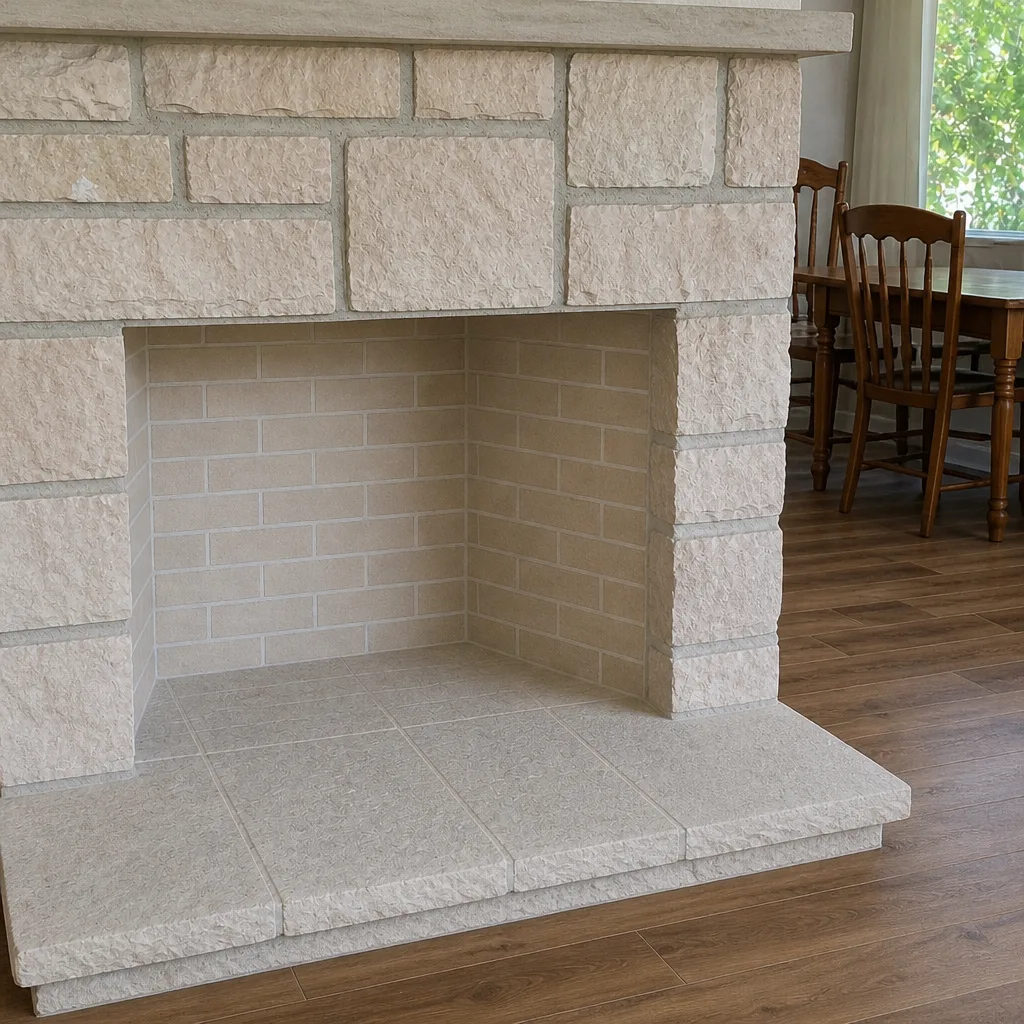
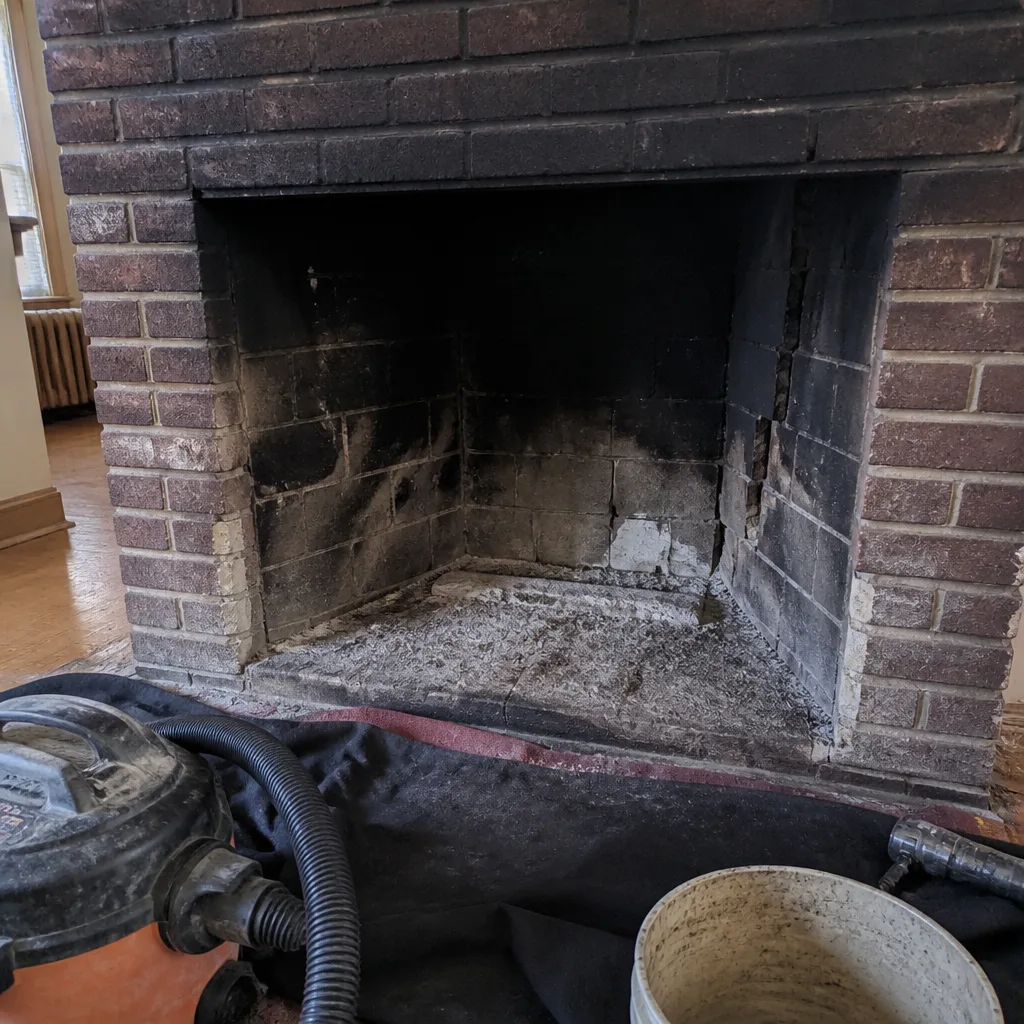
See the difference
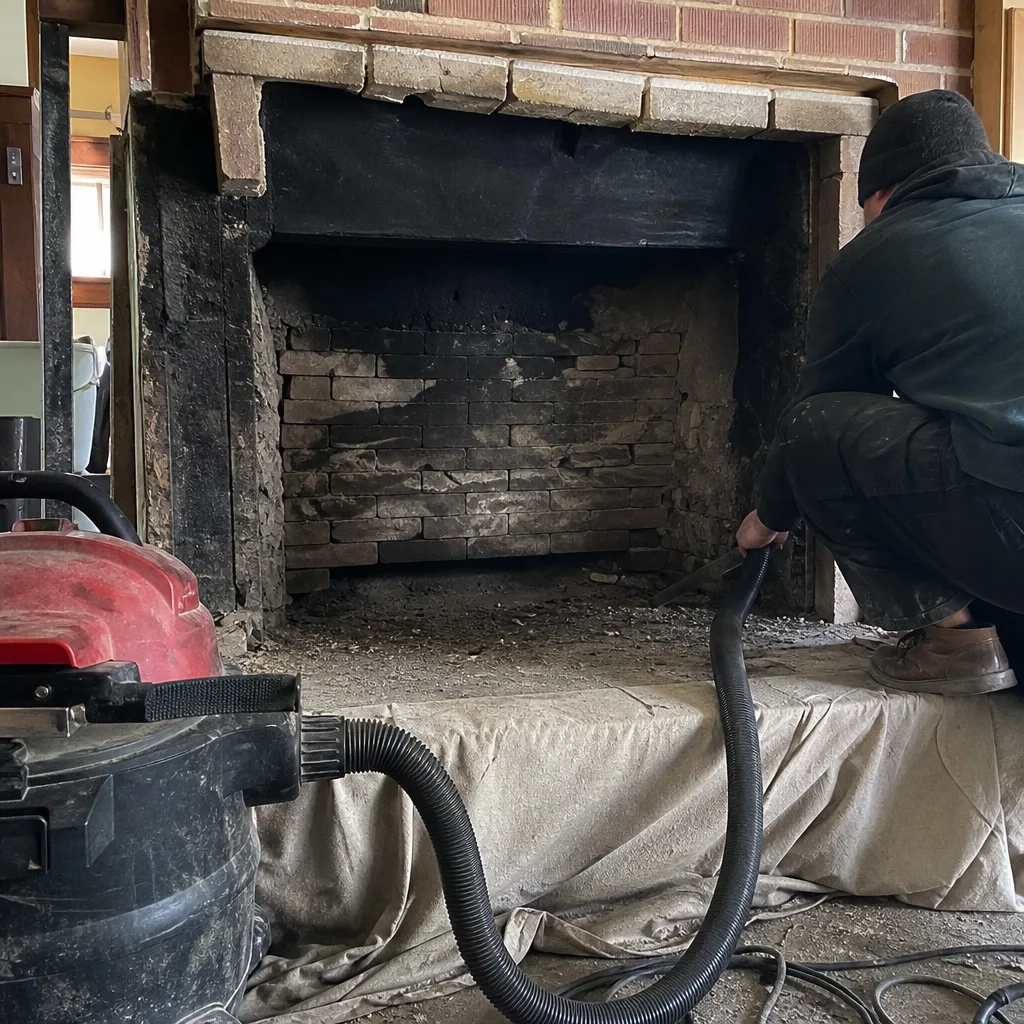 Before
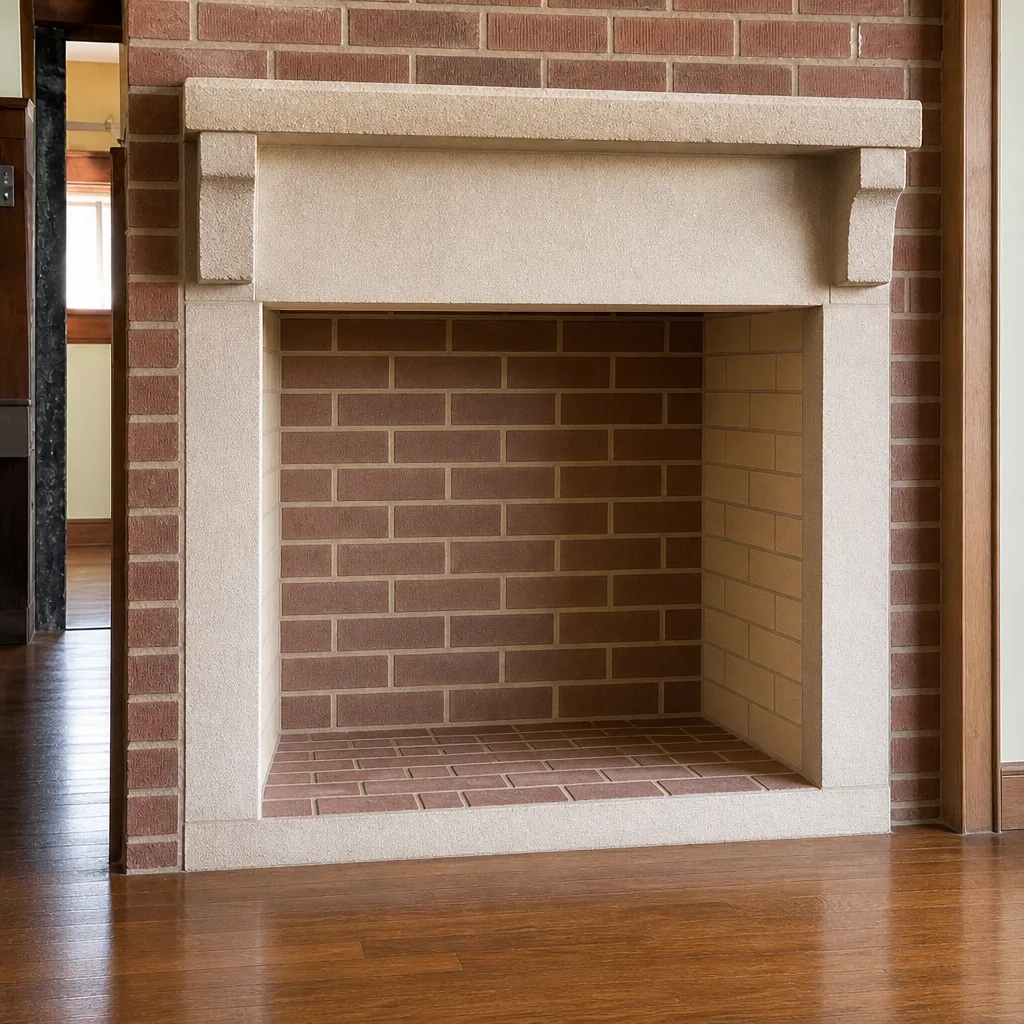 After
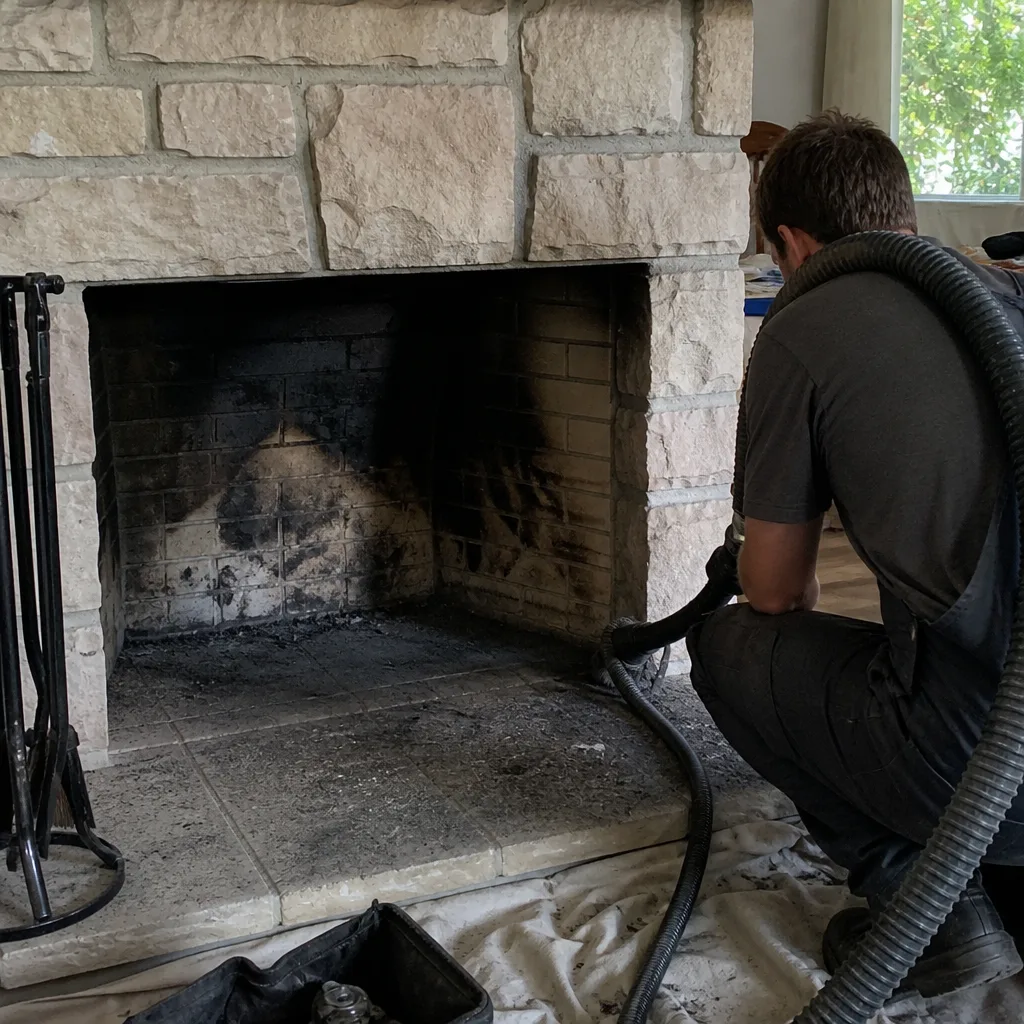 Before
 After
 Before
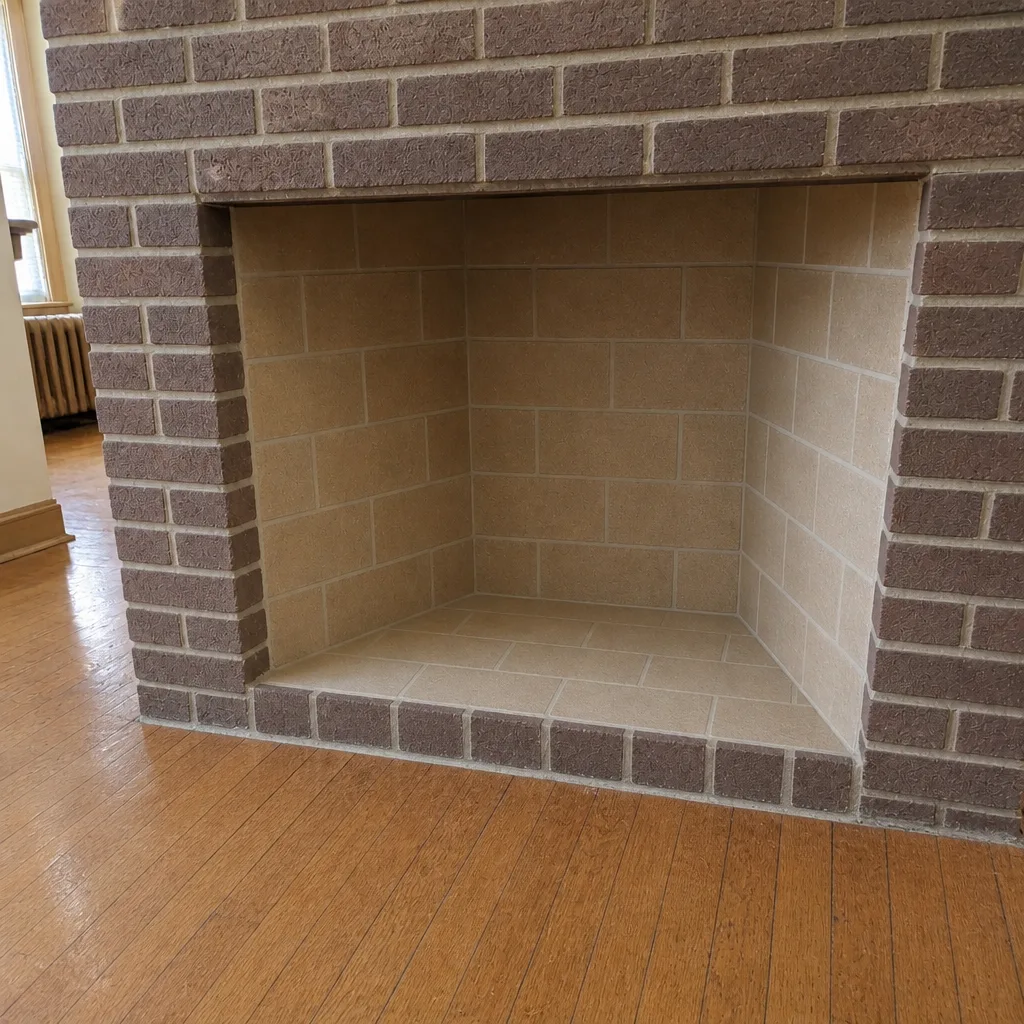 After
When to Call a Professional
Call a chimney professional any time a cleaning turns up a finding you can’t verify yourself: a cracked liner, a disconnected appliance connector, a damaged crown, or heavy creosote in a flue you don’t fully understand. Call before a sale, before an insurance renewal if you’re unsure of the liner’s history, and before you use a fireplace or wood stove that hasn’t been inspected in a while. Call if a contractor proposes liner work without offering you a permit or a written inspection report. And call if the previous owner left no records at all, because a St. Paul chimney without a paper trail deserves a level 2 inspection before you rely on it. Tundra Chimney Sweep offers free estimates in St. Paul. Call (866) 942-6061. We answer 24/7. Fast dispatch from 7am to 7pm, Sunday through Friday.
Frequently Asked Questions
No. Routine chimney cleaning and inspection are maintenance services and do not require a building permit in St. Paul. A permit becomes relevant when the visit turns up a repair that alters the chimney system, such as liner replacement or appliance connector work. Call (866) 942-6061 for an exact quote on either a cleaning or a repair – estimates are free.
Yes, in most cases. Liner replacement alters the venting system and falls under the Minnesota State Building Code, so a permit is generally required through the city building department. The contractor doing the work normally pulls it. If someone offering liner work tells you no permit is needed, ask them to explain in writing which code section they’re relying on. Call (866) 942-6061 with questions about the scope.
A level 1 inspection covers the readily accessible parts of the system and is done at each cleaning. A level 2 adds the attic, crawlspace, and accessible portions beyond the immediate chimney, and is the standard for a real estate transaction or after an event like a chimney fire. A level 3 opens concealed areas and is used when a level 2 finds a serious defect that requires it. Call (866) 942-6061 to schedule the right level for your situation.
It can complicate the claim. Insurers routinely ask for proof that the system was maintained and repaired properly, and an unpermitted liner replacement leaves a gap in that proof. Whether a claim is paid is up to the insurer, but the cleanest position is a permit and a final inspection on file. Call (866) 942-6061 for a free estimate on doing the work with the documentation in place.
NFPA 211 becomes enforceable in St. Paul through adoption in the Minnesota State Building Code, so the standard applies as code, not as opinion. Older chimneys may not have been built to current requirements, and corrections usually apply to the portion of the system being touched. A level 2 inspection tells you what’s actually there. Call (866) 942-6061 for a free estimate.
For liner and appliance work, the licensed contractor normally pulls the permit, and that arrangement is what an inspector expects on site. A homeowner can pull a permit for their own property, but the more common setup in St. Paul is contractor-pulled, with the inspection scheduled by the contractor. Either way, keep the permit number and the final approval. Call (866) 942-6061 to talk through the process.
Annual sweeping and inspection is the general rule, and a house that burns hard through a St. Paul winter may need more frequent cleanings than one used for occasional fires. The inspection report tells you what schedule your flue actually needs based on the creosote load. Call (866) 942-6061 to book a sweep and get the report that sets the schedule.
A cleaning itself leaves you with a cleared flue and a receipt. What matters at resale or after an insurance claim is the inspection report and the permit records, which are separate documents. We produce the report as part of the visit so the system is documented either way. Call (866) 942-6061 for a free estimate.
The Bottom Line
In St. Paul, chimney cleaning and inspection are maintenance and don’t need a permit. Liner replacement, appliance connector changes, and terminations that alter the system generally do. NFPA 211 is enforceable here because the state building code adopts it, so the standard sets the floor and the contractor’s judgment decides how the work meets it. Keep three things together after any repair: the permit number and final approval, the level 2 inspection report with photos, and the product documentation for whatever went into the flue. That folder is what carries the chimney through a sale, an insurance claim, and a decade of cold seasons. When a cleaning turns up something, ask for the report before you decide on the repair.
Tundra Chimney Sweep works with professional-grade product lines including HeatShield, Gelco, Olympia Chimney, Famco, DuraFlex, and Copperfield, and we document every system in writing so the record follows the work. Our technicians have up to 11 years of experience. If you’re in St. Paul and want a straight assessment of your chimney and the permit picture around any repair, call (866) 942-6061. We answer 24/7. Fast dispatch from 7am to 7pm, Sunday through Friday. Estimates are free, the scope is set by written estimate, and nothing is recommended without camera evidence you can see for yourself. Head over to Tundra Chimney Sweep for the full range of what we handle.
Written by the team at Tundra Chimney Sweep.