
Last updated November 16, 2026
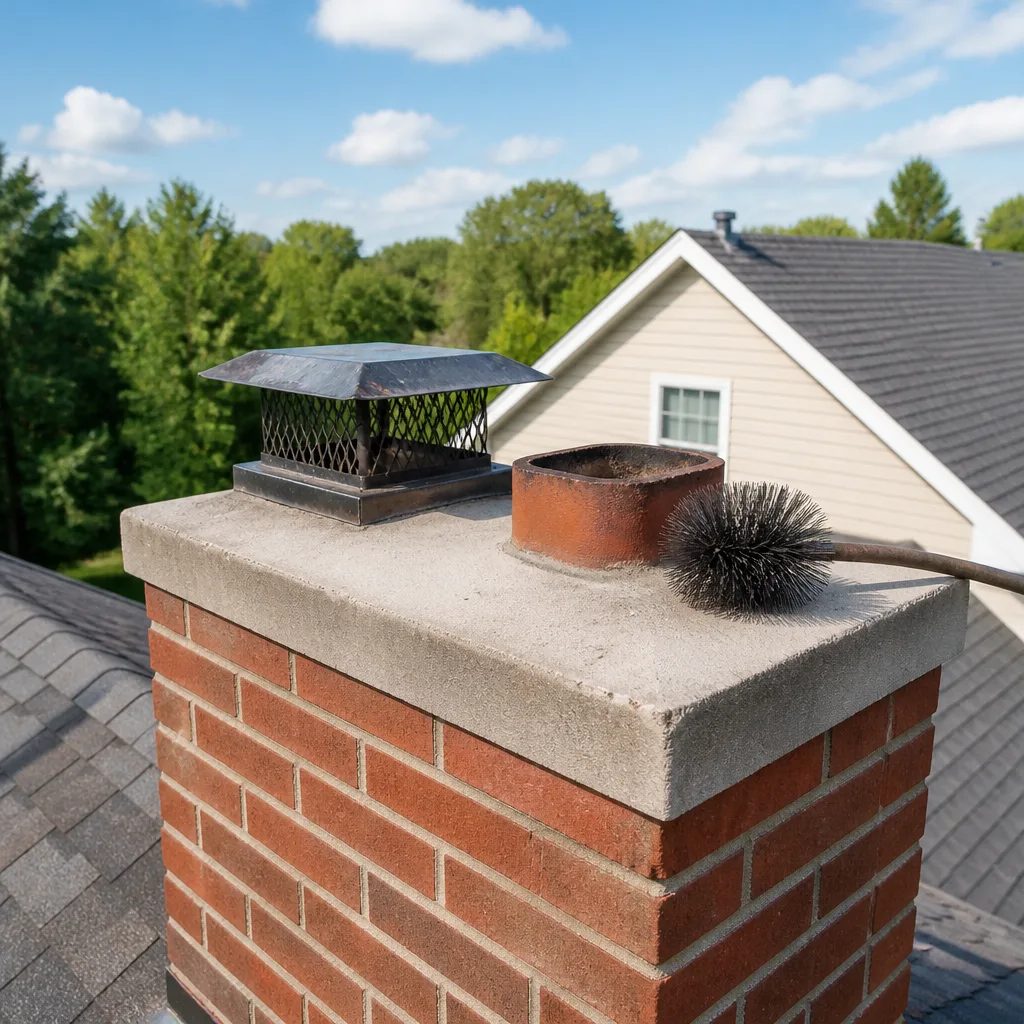 Sweep & inspection
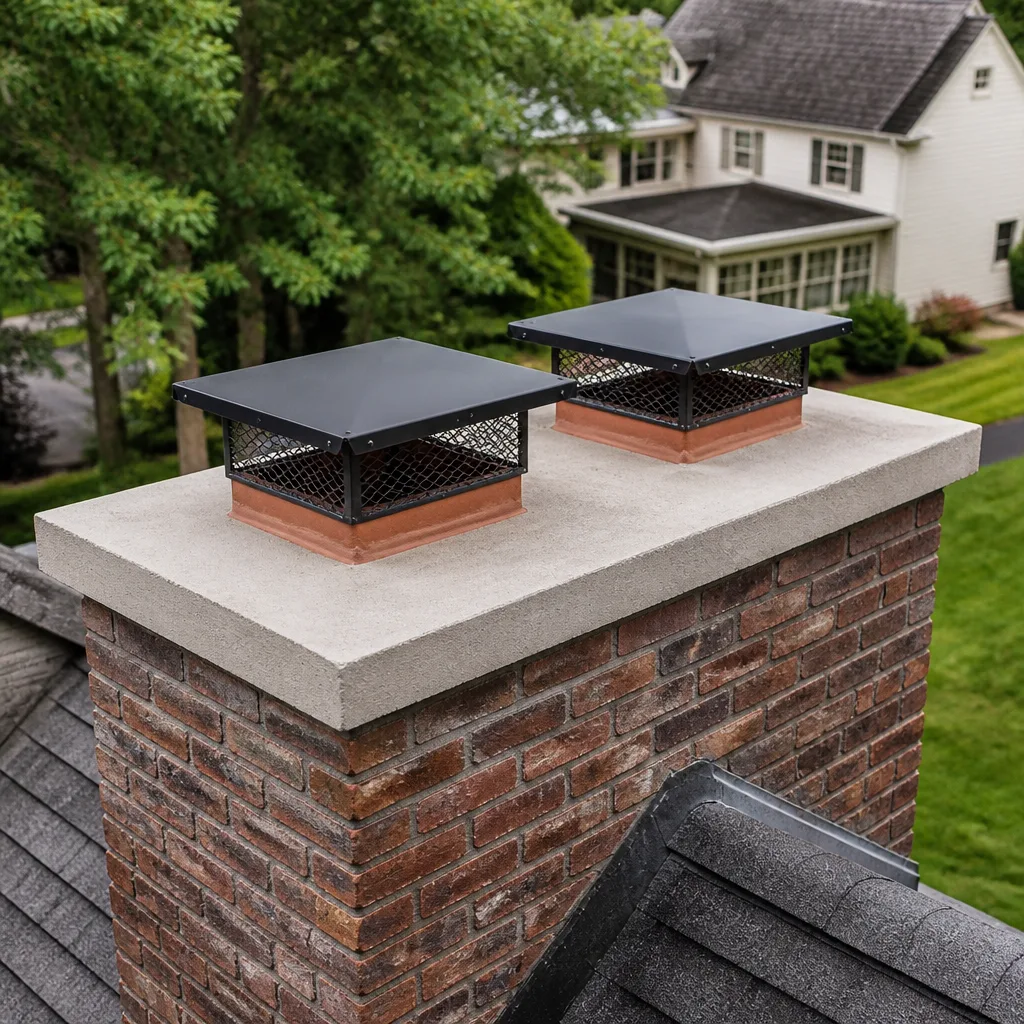 Caps & crowns
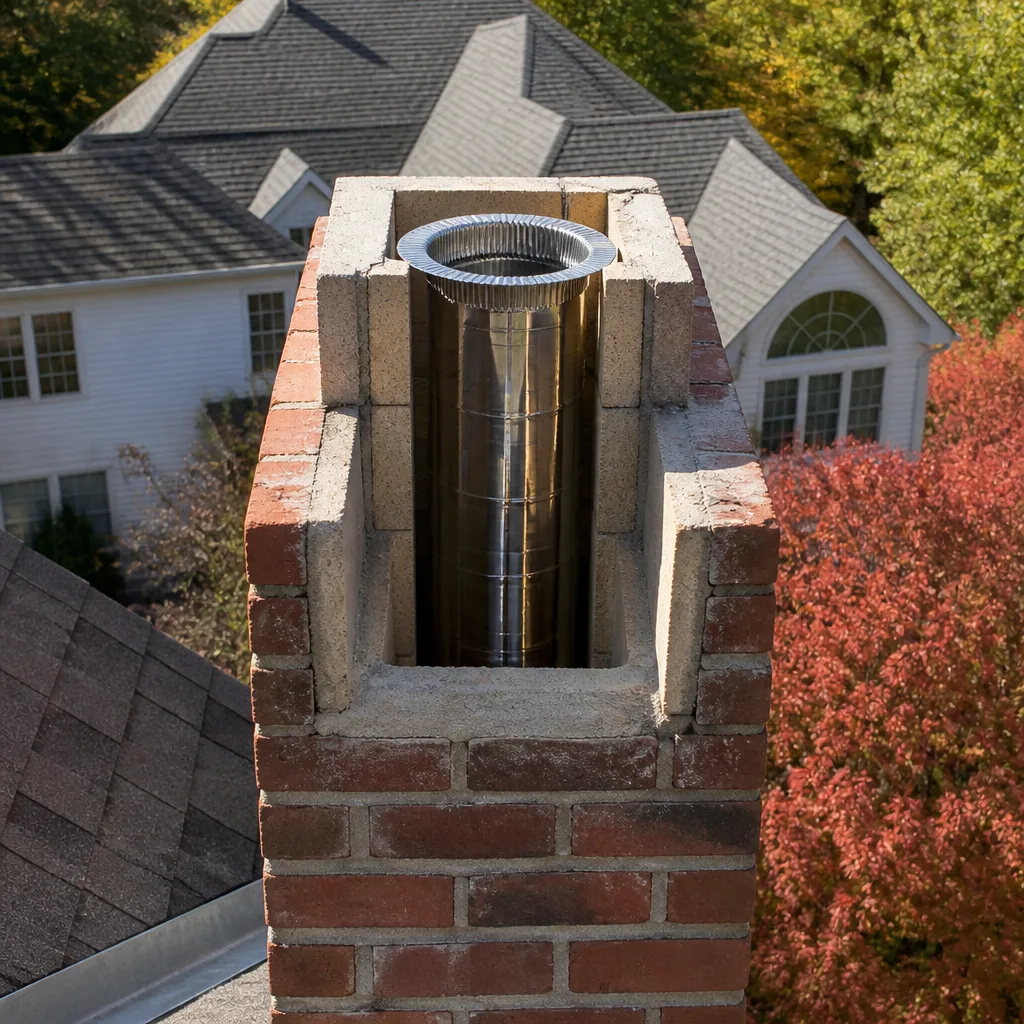 Flue relining
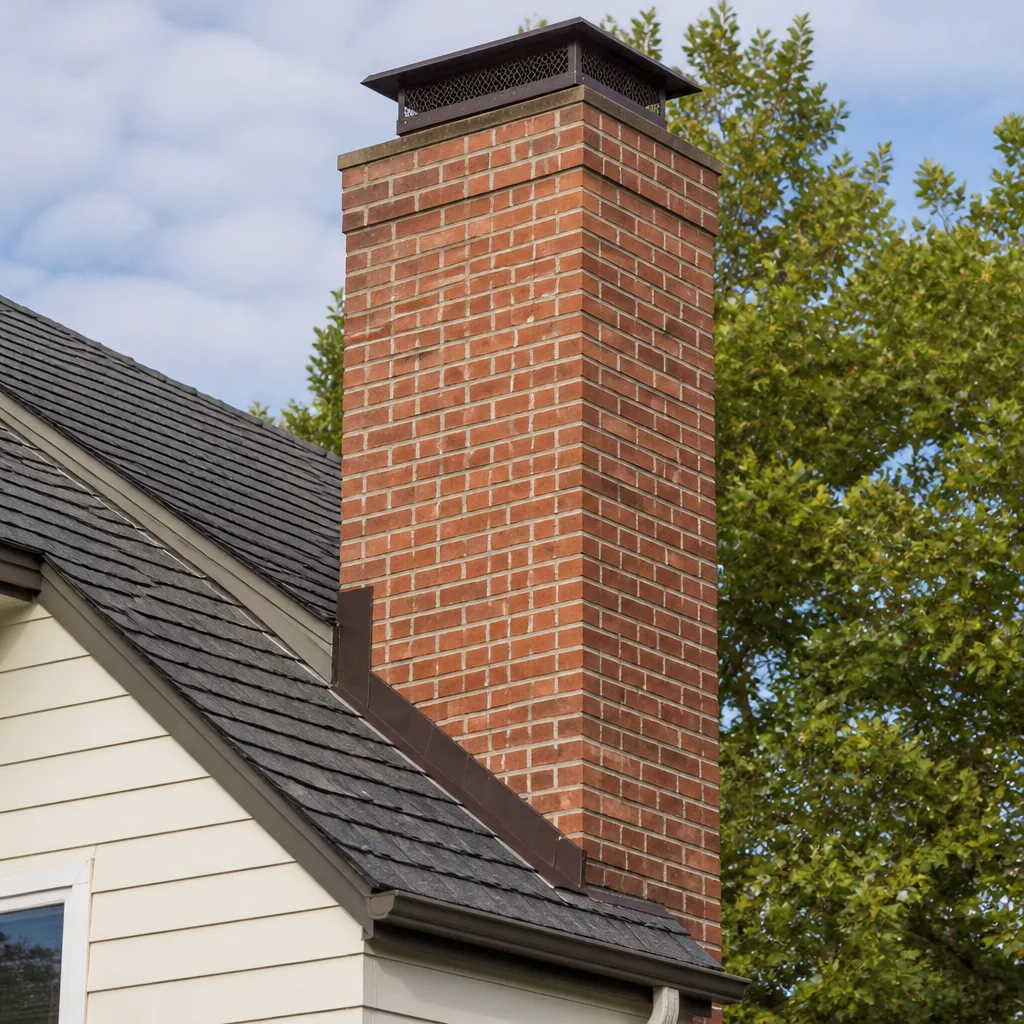 Masonry repair
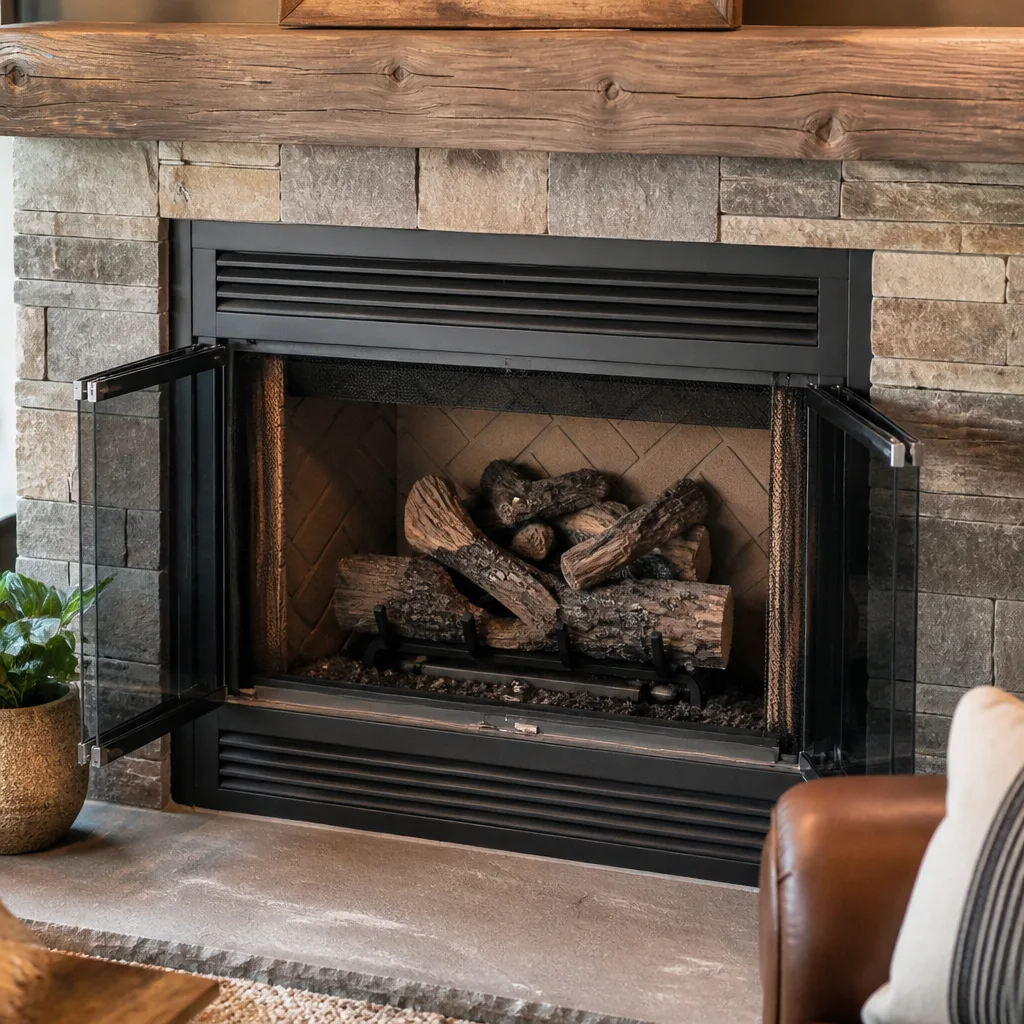 Gas fireplace service
Level 1 sweep and inspection to the NFPA 211 annual standard - flue, crown, cap, and flashing checked and photographed
Chimney sweep logs do not sweep chimneys. They loosen some creosote - which then falls where a brush and vacuum still have to collect it.
Chimney Cleaning Emergency Preparedness Guide for St. Paul Homes
An active chimney fire often sounds like a low roar or a rhythmic popping from inside the flue. Most homeowners hear that and think they’ve got a good, hot fire going. It’s the opposite. In St. Paul, where heating systems run hard for months and a wood fire is a daily habit rather than an occasional treat, that misreading is the difference between a contained event and a house fire. This guide covers what an active chimney fire actually looks and sounds like, what to do in the first three minutes, how to lock the system down afterward, what your insurance adjuster will ask for, and which pre-season steps keep the risk low before the burning season starts. It’s written for people who want to know their system, not just own it.
Quick Answer
If you suspect a chimney fire in a St. Paul home: call 911 first if you see flames or heavy smoke from the top of the chimney, get everyone outside, and only attempt suppression with a chimney fire extinguishing rod if the fire is small, contained, and you have a clear exit. After any chimney fire, stop using the appliance immediately and keep it out of service until a technician has inspected the flue. Pre-season sweeping and inspection are the real preparedness measures – anything else is reaction, not readiness.
Styles & brands we work with
- Sweep & inspection
- Caps & crowns
- Flue relining
- Masonry repair
- Gas fireplace service
Table of Contents
- How Do You Recognize an Active Chimney Fire?
- What Should You Do in the First Three Minutes?
- When Is a Suppression Rod Appropriate, and When Is It Not?
- What Do You Do Immediately After the Fire?
- What Documentation Will Your Insurance Adjuster Request?
- How Do You Prepare Before Burning Season in Minnesota?
- Why Does St. Paul’s Housing Stock Raise the Stakes?
- How Do Sweep, Repair, and Inspection Work Together?
How Do You Recognize an Active Chimney Fire?
An active chimney fire is a sensory event before it’s a visible one, and most people miss the early signals because they’re looking for flames rather than listening for them. We’ve responded to enough post-fire inspections to know the pattern: the homeowner heard something, felt something odd, and dismissed it as normal. Here’s what to actually watch for.
Sound
A chimney fire produces a low, rumbling roar – similar to a distant train or a strong wind through a draft – that doesn’t fade the way ordinary fire noise does. You may also hear a rhythmic popping or tapping. That popping is the sound of creosote deposits igniting and expanding inside the flue in a chain reaction, and it’s one of the most reliable early indicators that a flue fire has started.
Smell
A hot, acrid, tar-like smell that’s stronger than a normal wood fire is a warning sign. Fresh creosote burning off has a sharp chemical edge to it that doesn’t smell like the fire in your firebox. If the smell is coming from around the stovepipe joints, the damper, or the top of the chimney rather than the fireplace opening, pay attention.
Sight
- Dense smoke from the chimney top that doesn’t match the fire you built – thick, gray-to-black, and continuous.
- Sparks or flames visible at the chimney cap.
- Discoloration or heat distortion on the stovepipe, damper, or nearby framing.
- Smoke inside the house that isn’t from a backdraft or an open damper issue.
- Warped or discolored chimney caps – a sign of a fire that may have already happened and gone unnoticed.
St. Paul’s older masonry chimneys are especially vulnerable to hidden flue fires because the clay tile liner can crack during a fire without any visible sign from outside. You won’t always see or smell a fire in progress; the damage shows up in the inspection afterward.
What Should You Do in the First Three Minutes?
Preparation is only useful if it produces the right sequence under pressure. The steps below are ordered – the sequence matters as much as the actions.
- Get everyone out. Alert every person in the house, including anyone upstairs or in a basement. Don’t stop to collect belongings. Exit through the nearest safe door.
- Call 911 if you see flames, heavy smoke, or structural heat. A chimney fire that has escaped the flue or is producing heavy smoke from the roof line is a fire department call, not a homeowner response. Don’t wait to confirm.
- Close the appliance door or damper if it’s safe and you’re already near it. Starving the fire of oxygen slows it. Do this only if it doesn’t delay evacuation.
- Get to a safe distance and stay there. Chimney fires can throw sparks and embers from the top of the flue. Keep clear of the roof and the area directly below the chimney.
- Note the time and what you observed – sounds, smells, smoke color, how long it lasted. This information will matter for the fire department report and for your insurance claim.
What you should not do: don’t spray water into a hot flue. Thermal shock can crack a clay tile liner or damage a metal liner, and a cracked liner is exactly the kind of damage that lets fire reach framing. Don’t open the firebox door to check on the fire. And don’t re-light the appliance after the event, regardless of how things look.
If you’re unsure whether the situation is an emergency, call 911 anyway. The fire department would rather confirm a contained fire than respond to a structural one. And if there’s any chance the fire has already moved beyond the flue, the call is not optional.
When Is a Suppression Rod Appropriate, and When Is It Not?
Chimney fire extinguishing rods are designed for small, contained flue fires in accessible chimneys. They’re not a substitute for the fire department, and they’re not appropriate for every chimney configuration. The decision to use one depends on four factors.
Use a suppression rod only when:
- The fire is small and you caught it early – a quiet roar, some popping, no heavy smoke from the top.
- You have a clear and unobstructed path to the chimney access point.
- Someone else is outside the home and aware of the situation.
- You’ve already called 911 or are prepared to if the situation escalates.
Do not use a suppression rod when:
- You see flames, sparks, or heavy smoke from the chimney top.
- Smoke is entering the living space.
- The chimney is a factory-built system with a capped or restricted top that can’t be accessed safely.
- The roof is slippery, snow-covered, or uneven – a fall in the middle of a chimney fire is a second emergency.
- You are alone in the home.
The most common mistake we see after a chimney fire is a homeowner who used a suppression rod successfully and then assumed the problem was solved. The fire is only half the event. The other half – the flue damage, the cracked liner, and the creosote residue – is discovered in the inspection. A rod may stop the fire. It doesn’t tell you what the fire did.
Minnesota homes often have exterior chimneys that can run colder than interior ones, which gives creosote more opportunity to condense and reduces the natural draft that would otherwise carry heat up and out. A flue that isn’t drafting well is a flue that lets creosote build faster, and that’s the fuel a chimney fire burns. If your chimney smokes on cold starts, drafts poorly, or produces a strong creosote smell between fires, that’s a system performance question to address before the burning season – not a suppression question to answer during one.
What Do You Do Immediately After the Fire?
Once the fire is out and the fire department has cleared the scene, your job shifts. The system needs a deliberate lockout, not a gradual return to use. Here’s the sequence.
- Stop all use of the appliance. No fire, no gas insert, no fuel oil, no pellet feed. The appliance is out of service until inspected.
- Close the damper to reduce heat loss and prevent any smoldering embers from drafting upward.
- Photograph everything before it’s touched. Take wide shots of the firebox, the flue interior if accessible, the chimney top and cap, the roof line, and any smoke damage in the living space. Use your phone’s timestamp feature.
- Do not clean or sweep the flue yourself. The residue pattern is evidence, and it’s also a diagnostic record of what happened and how high the fire burned.
- Do not re-light the appliance even if the firebox looks clean. A hairline crack in a clay tile or a heat-warped metal liner is invisible from inside the house and is exactly the failure point that allows a second fire to spread.
- Call a chimney professional for a post-fire inspection. The inspection should document the liner condition, any joint displacement, and the condition of the cap and flashing.
Secondary ignition – a re-light after a fire the homeowner believed was over – is one of the most common causes of significant chimney damage in St. Paul. The firebox looks fine. The flue does not. Without a documented inspection, there’s no way to know which condition you’re in.
What Documentation Will Your Insurance Adjuster Request?
Insurance claims after a chimney fire hinge on proving what happened, when, and what condition the system was in before the event. Adjusters don’t assume; they ask for documentation. The more you have in hand, the smoother the claim.
Here’s what to assemble:
- Photographs taken before the fire department left the scene, or as soon as it was safe – the chimney exterior, the firebox, the interior smoke damage, and any visible damage to the stovepipe or flue.
- The fire department report, including the date, time, and the responding department’s assessment.
- A written pre-fire sweep and inspection history, if you have one. This is the single most useful document in a chimney fire claim and the one most homeowners don’t have.
- A post-fire inspection report from a qualified chimney professional that documents what the fire damaged – liner condition, joint integrity, component warping, and any damage to the appliance itself.
- Any prior repair records – liner replacements, cap installs, flashing repairs – that can establish the system was properly maintained.
- Appliance documentation if a liner or component needs to be replaced.
The pattern here is that the paperwork you need after a fire is the paperwork you should have created before one. This is why we document every inspection in writing – the same report that tells you your flue is sound in September is the report your adjuster wants in January. Photographs and a date on a sweep report establish condition; without them, you’re arguing from memory.
A written inspection report also carries weight for real estate transactions and insurance requirements, which is why it’s worth keeping even if you never file a claim.
How Do You Prepare Before Burning Season in Minnesota?
Pre-season preparedness – the operational kind, not the fear-based kind – is a set of concrete actions you can take in late summer or early fall, before the first fire. Here’s the readiness checklist we recommend for a St. Paul home.
- Get a sweep and inspection before the season starts. A professional sweep clears creosote deposits from the flue and firebox; an inspection identifies liner wear, joint displacement, and component deterioration while there’s still time to repair before the burning season. Book it before the cold-weather crunch.
- Confirm the liner is appropriate for the appliance. Gas inserts and oil-to-gas conversions have different flue requirements than wood-burning fireplaces. An oversized masonry flue serving a smaller appliance drafts poorly and accumulates creosote differently. A liner assessment tells you whether the current setup is matched to what you’re burning.
- Check the termination. A missing or damaged chimney cap is an animal-entrance and water-intrusion route, and a wet flue is a damaged flue. A properly fitted cap with correct flashing is part of the system, not an accessory. We work with chimney repair components like Famco and Gelco caps and flashing solutions for exactly this reason.
- Verify that the firebox, hearth, and damper are in condition for the season – no loose mortar, no gaps between the stovepipe and the flue collar, and a damper that operates freely.
- Store the right equipment where you can find it in the dark – a chimney fire suppression rod if it’s appropriate for your chimney, flashlights in more than one location, and a phone charged or a cordless phone in a central location.
- Set up a document folder – digital or physical – with the inspection report, sweep date, appliance documentation, and photos. Add the fire department’s non-emergency number.
The goal of this list is to reduce the number of decisions you’d have to make during a fire. When a chimney is roaring, you don’t want to be debating whether the rod is appropriate or where the flashlight is. Those questions belong to a calm afternoon in September, not to an urgent call in January.
Why Does St. Paul’s Housing Stock Raise the Stakes?
St. Paul is a city of older masonry chimneys serving older appliances, and that combination shapes both how chimney fires happen and what they damage. A clay tile liner in a 1920s masonry chimney that hasn’t been relined is more vulnerable to thermal cracking than a modern insulated system, and once a tile cracks, the flue’s protection is gone. Creosote buildup is only one part of the risk. The liner is the other.
The heating season here is long, and the shoulder months – October and April – are where subtle problems hide. In a mild stretch, a stove running at low output produces cooler flue gases that condense on the liner more readily. That’s the creosote that fuels a hot fire in January. This is where inspection earns its keep: the report from a September or October inspection is a snapshot of your system before the sustained heating load starts.
St. Paul also has the ordinary problems of an older city – chimneys shared by multiple flues, exterior chimneys with long runs through cold attic spaces, and fireplaces that have been converted to gas inserts without matching the flue to the appliance. An oversized flue serving a gas insert drafts poorly and runs cooler. A conversion that wasn’t accompanied by a proper liner assessment is a common finding in our St. Paul work.
The city’s inspection and permitting requirements vary by scope of work, so it’s worth asking the building department directly when you’re planning a reline or structural repair. The general point is consistent: a St. Paul chimney that has been inspected in the last season is a system you can reason about. One that hasn’t been inspected since a former owner lived there is an unknown.
Working in this climate is why our service standard assumes worst-case conditions rather than mild ones. A flue that holds up in a mild October holds up in January. If your goal is a system that works through the full Minnesota heating season, the September inspection is where that starts.
How Do Sweep, Repair, and Inspection Work Together?
Your flue is a system, and the three services are interconnected rather than separate line items. A sweep without an inspection tells you nothing about liner condition. An inspection without a sweep leaves creosote in the flue between the technician and the flue walls. A repair done without a follow-up inspection is a repair you can’t verify.
Here’s how we think about the sequence, particularly for St. Paul homeowners:
- Sweep – the physical removal of creosote, soot, and obstruction from the firebox, smoke chamber, and flue. It also lets a technician see the liner and identify what a camera or a visual walk can’t.
- Inspection – documentation of system condition from the firebox to the cap: liner integrity, joint condition, appliance connection, cap and flashing, and any structural questions. In writing, with photos, and usable for an insurance claim or a real estate transaction.
- Repair – relining, cap and flashing installation, masonry repair, or flue resurfacing. A properly specified repair is performed in the same visit chain as the inspection, so you never have to coordinate a separate inspector after the work is done.
The advantage of one scope for sweep, repair, and inspection is that the same technician who documents the condition knows what the repair looks like. If a deteriorated liner can be resurfaced rather than removed – we use HeatShield for flue resurfacing where the condition allows it – that’s a smaller repair with the same protection, and it’s the kind of judgment call that only comes from someone who sweeps and inspects and repairs the same system.
On the more technical side, DuraFlex flexible liner systems are specified for flue upgrades and appliance conversions – the oversized masonry flues and oil-to-gas conversions that are common in a city with St. Paul’s housing mix. Those are jobs where the liner has to be sized and insulated correctly to hold up under sustained heating-season demand.
If you want a single page to start with, the chimney sweep page explains what a sweep involves. If you’re deciding whether your system needs repair or inspection first, that’s a call we can help you make. Our technicians have up to 11 years of experience across chimney systems, and that experience is what you’re relying on when a flue fire has already happened.
Common Mistakes to Avoid
- Mistaking the roar for a good fire. A low, rumbling roar and rhythmic popping from the flue is the sound of chimney fire, not a well-drawn fire. Most homeowners misinterpret it for exactly that reason. If you’re not certain, assume the emergency and call 911.
- Spraying water into a hot flue. Water on a hot clay tile liner can crack it. A cracked liner is a flue fire waiting to reach the framing of an older St. Paul home. Don’t do it.
- Using a suppression rod and then treating the event as over. A rod may stop the fire. It cannot tell you what the fire did to the liner. The post-fire inspection is not optional – it’s the part that tells you whether your system is safe to use.
- Waiting until after a fire to get an inspection report. Adjusters ask for a pre-fire sweep and inspection history because it establishes condition. A claim without that history becomes a process of proving what was true before the event. Get the report before you need it.
- Skipping the pre-season inspection in St. Paul’s older neighborhoods. The call comes in October after a first fire, and by then there’s no time to repair before the burning season. The system was unknown all summer.
- Assuming a gas insert doesn’t need service. A gas insert still needs a flue assessment, and a conversion from oil or wood without verifying the flue size is a common cause of poor draft and accelerated creosote buildup. The appliance isn’t the whole system.
- Re-lighting the appliance because the firebox looks clean. The firebox is the least informative part of the system after a fire. The damage is in the flue, and it doesn’t show from inside the house.
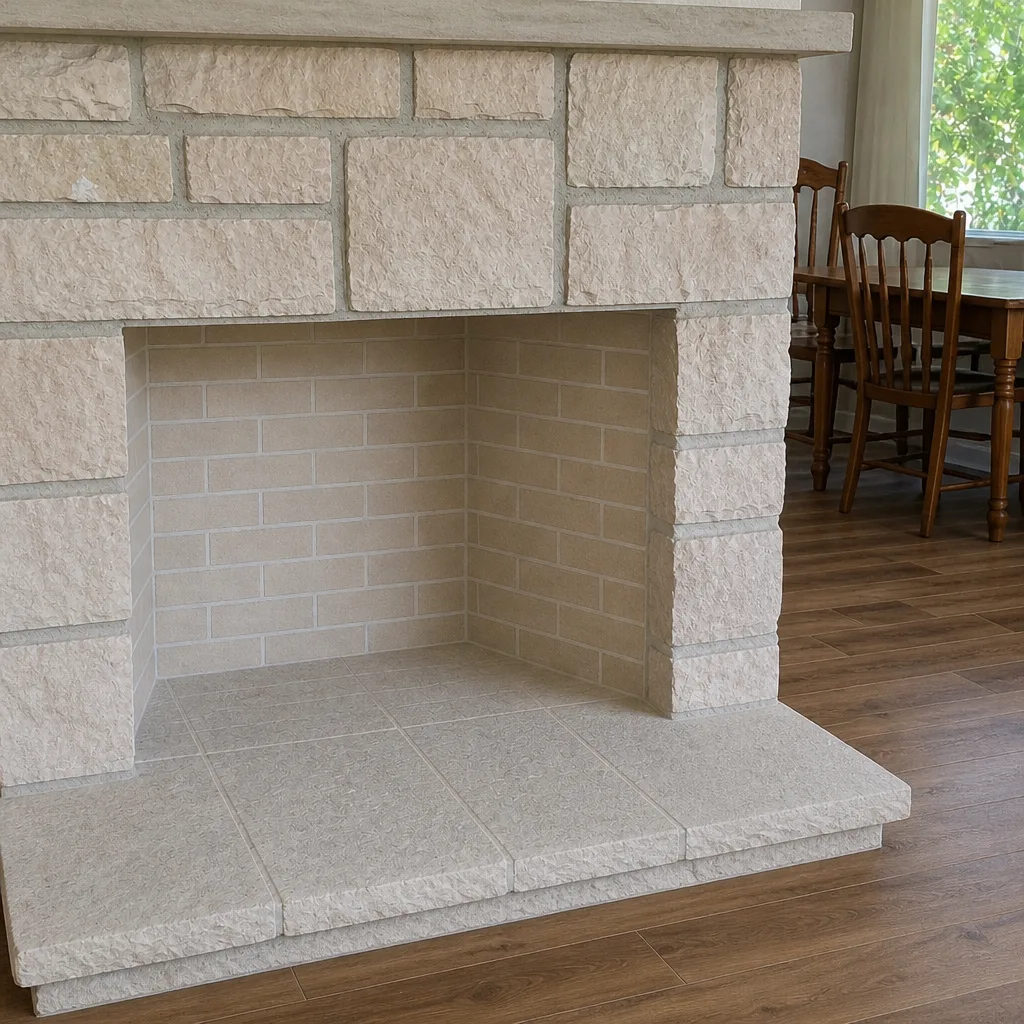
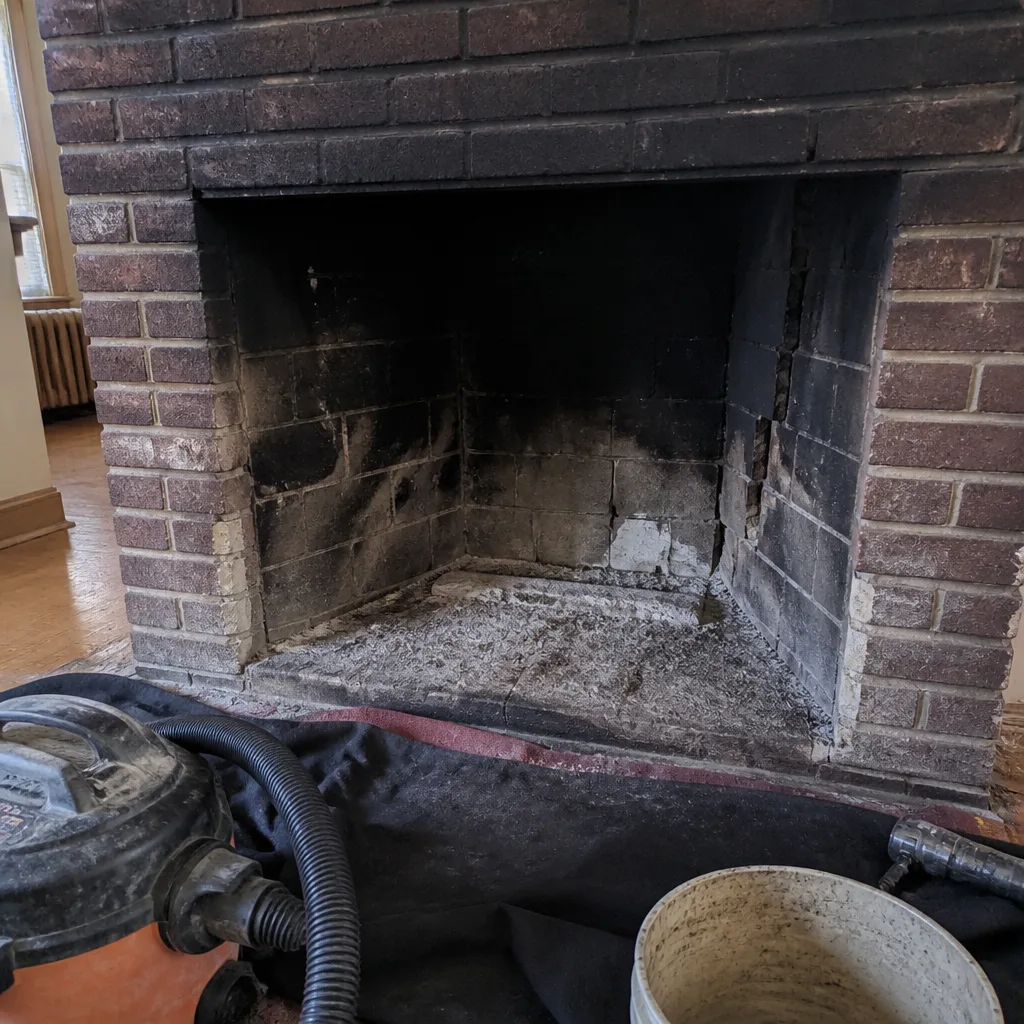
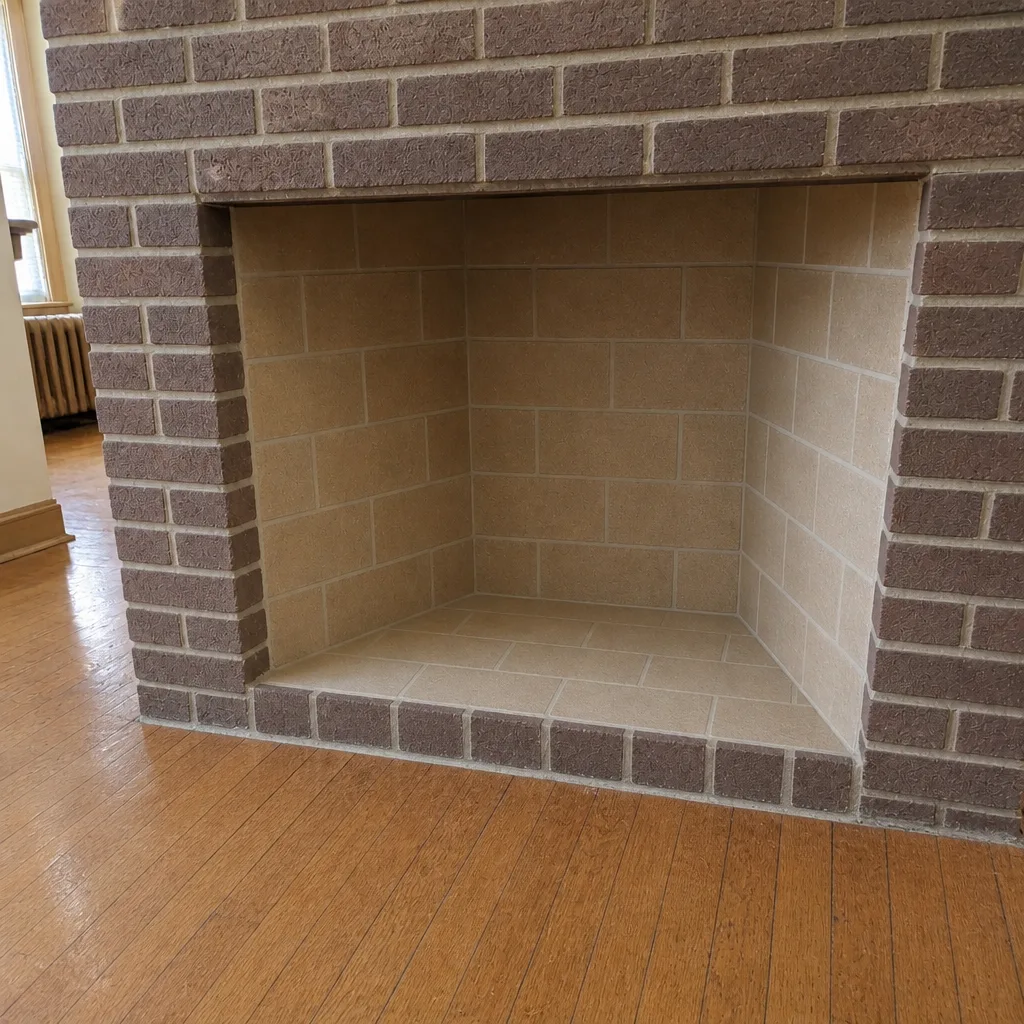
See the difference
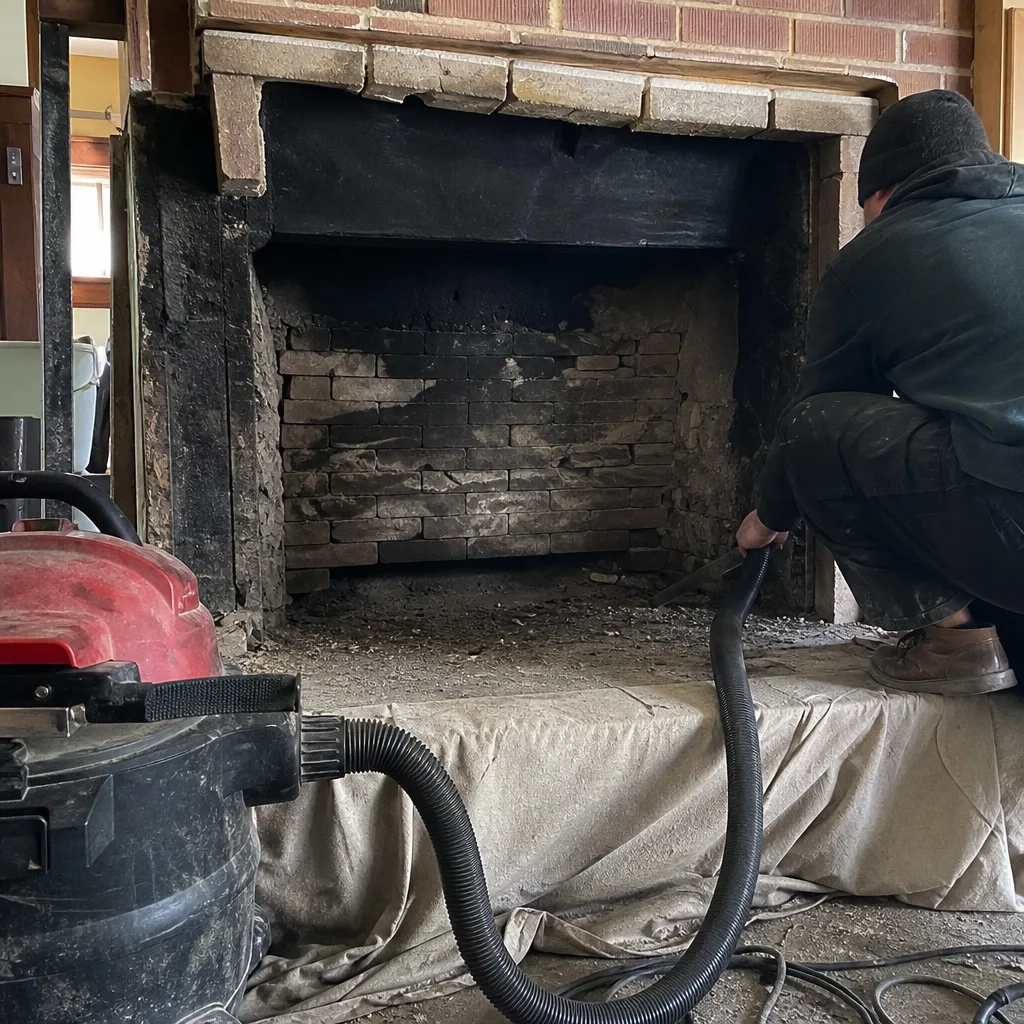 Before
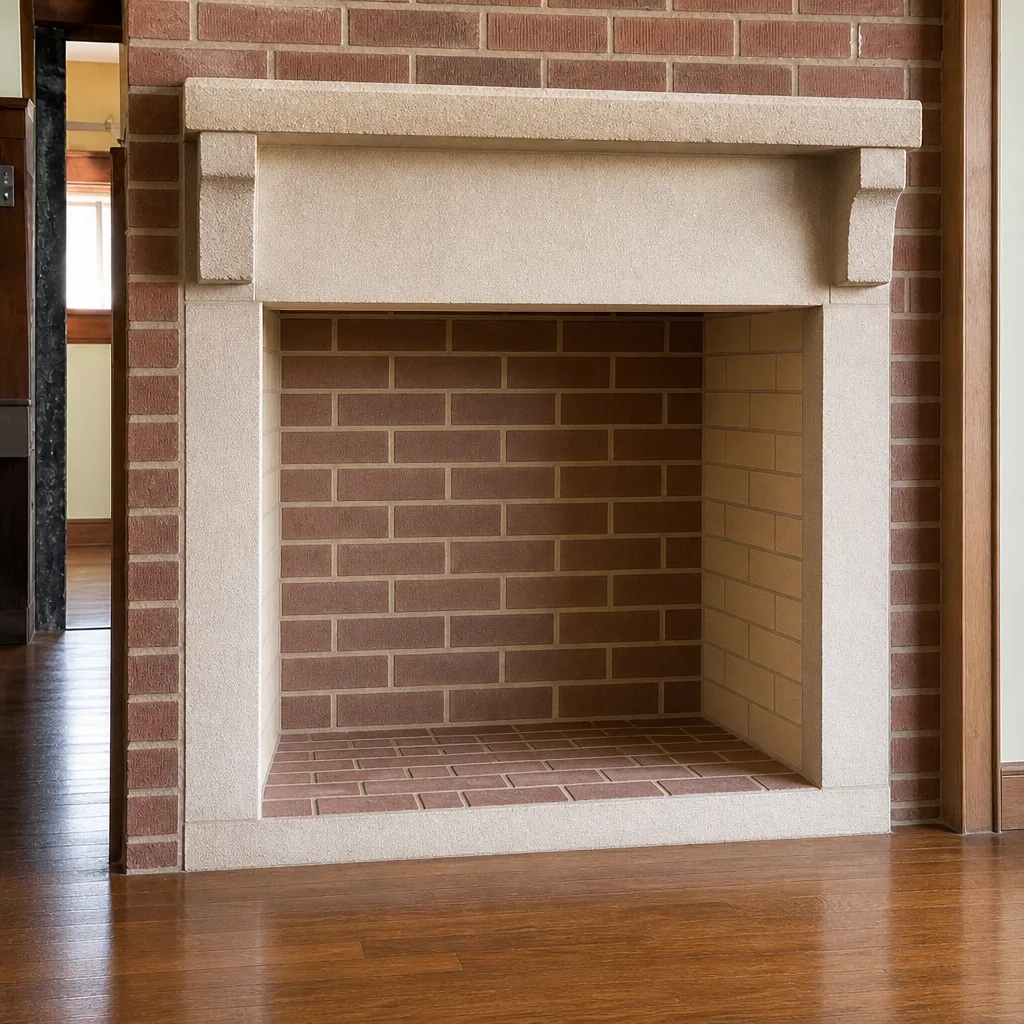 After
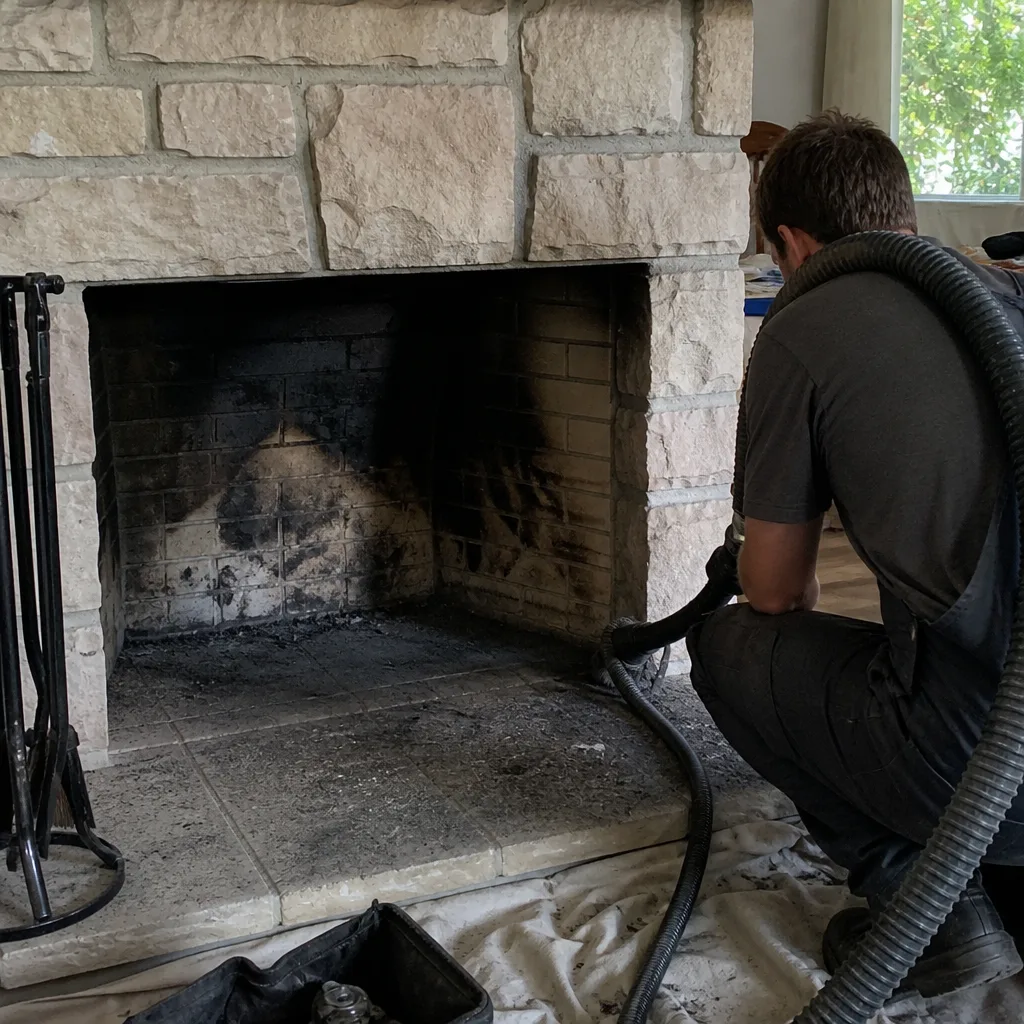 Before
 After
 Before
 After
When to Call a Professional
Call a chimney professional in St. Paul when you’ve had any suspected chimney fire and the appliance hasn’t been inspected since. Call when you’re not sure what you saw or heard – the inspection is how you find out. Call when your chimney is overdue for a sweep, when you’ve moved into a home with an uninspected system, when you’re seeing smoke on cold starts, and when you’re planning an appliance conversion or a reline. Call before the season rather than after the first fire. A post-fire inspection is most useful when it can document condition accurately, and an unidentified liner problem is the one thing that turns a small fire into a large one. Tundra Chimney Sweep offers free estimates in St. Paul – call (866) 942-6061. We answer 24/7. Fast dispatch from 7am to 7pm, Sunday through Friday.
Between the professional visits, the work that belongs to you is the operational part: knowing your system’s sounds, keeping the firebox clear of obstructions, and keeping the documentation where you can find it. Inspections document condition. Preparation is what you do with that condition.
Frequently Asked Questions
A chimney fire usually sounds like a low, rumbling roar or a rhythmic popping from inside the flue – the popping is creosote deposits igniting in sequence. It’s often quieter and more contained-sounding than people expect, which is why it’s frequently mistaken for a good fire. If you hear it and you’re not sure, treat it as an emergency and call 911.
Call 911 first if you see flames, sparks, or heavy smoke from the chimney top. Use a suppression rod only if the fire appears small, contained, and you have a clear exit – and only after calling 911 or with someone else outside. A rod may stop a small fire. It can’t confirm the liner survived. Call (866) 942-6061 to schedule the required follow-up inspection.
No. Do not re-light the appliance after a chimney fire, even if the firebox, damper, and appliance look intact. The liner is where the damage occurs, and a hairline crack or displaced joint is invisible from inside the house. The system stays out of service until a technician inspects the flue and documents its condition.
If your chimney hasn’t been inspected in the current or previous heating season, it needs an inspection. That’s especially true for a masonry chimney in an older St. Paul home, a converted gas insert, or any system that produces creosote smell between fires or smokes on cold starts. A pre-season inspection documents condition before the burning season, which is useful both for planning repairs and for any insurance claim that might follow. Call (866) 942-6061 for a free estimate.
A written inspection report from a qualified chimney professional – documenting system condition with dates and photographs – is the type of documentation adjusters ask for after a chimney fire. It establishes the system’s condition before an event and is also usable for real estate transactions and insurance requirements. No single report guarantees a claim outcome, but it gives you documented condition rather than memory.
An annual inspection is the general rule, with sweeping when the inspection shows creosote buildup that needs removal. In a Minnesota heating season that runs for months, a wood-burning system accumulates creosote faster than an occasional-use fireplace would. The inspection tells you when the system is due; the sweep clears it. If it’s been more than one season since your last sweep, book it before the burning season. Call (866) 942-6061. We answer 24/7.
The Bottom Line
Chimney fire preparedness in St. Paul comes down to three things: recognizing the event, responding in the right sequence, and documenting condition before and after. The roar and popping that most homeowners mistake for a hot fire is the emergency signal. Evacuation and 911 come before suppression, and suppression comes before any attempt to resume use. After a fire, the lockout is absolute – no re-lighting until a professional has inspected the flue, not just the firebox. The paperwork you assemble before a fire is the paperwork that carries a claim after one. Pre-season sweeping and inspection are the only preparedness measures that actually reduce the risk before the season starts. If you’d like your system inspected or swept, Tundra Chimney Sweep works across St. Paul – call (866) 942-6061.
When to Call Us
If you’ve had a chimney fire, suspected fire, or an overdue sweep, call (866) 942-6061 for a free estimate. We answer 24/7. Fast dispatch from 7am to 7pm, Sunday through Friday. A call outside dispatch hours is booked into the next opening, Sunday through Friday, 7am to 7pm.
Written by the team at Tundra Chimney Sweep.