
Last updated November 16, 2026
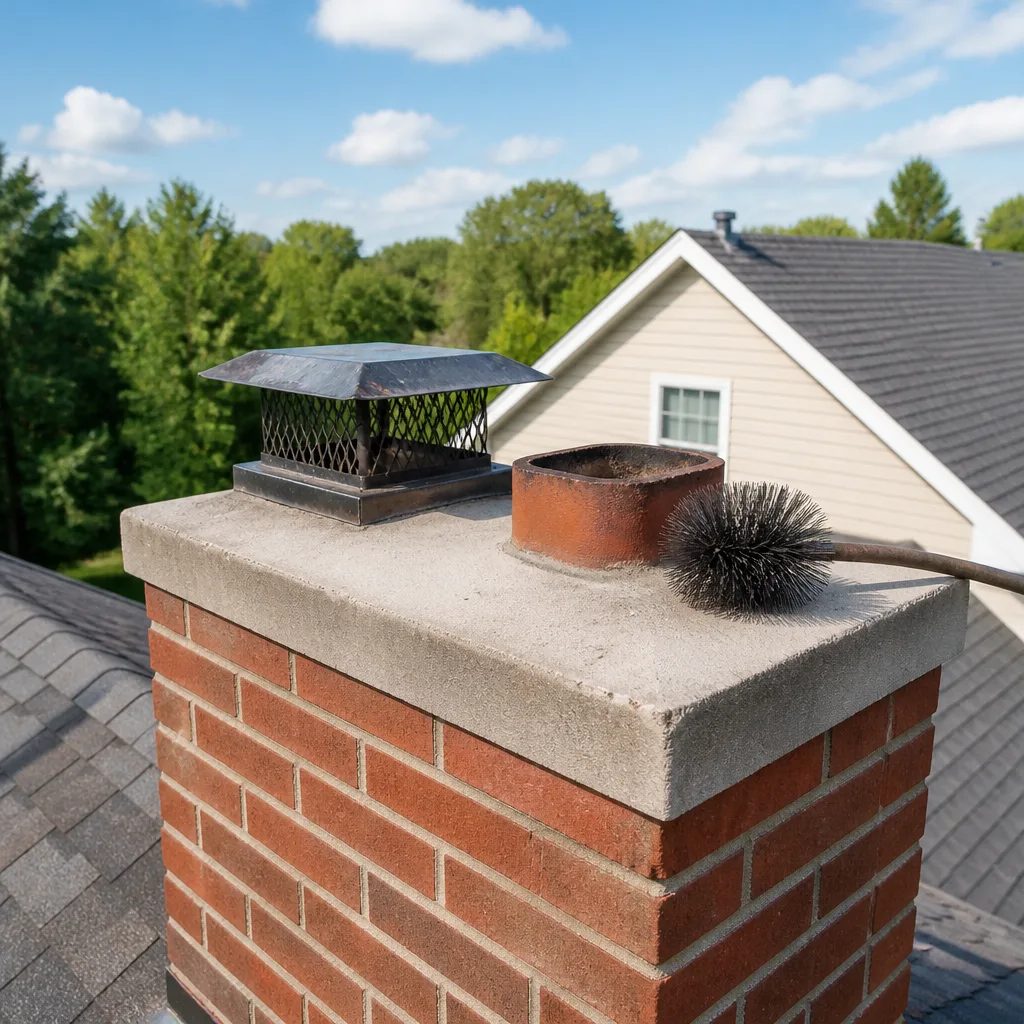 Sweep & inspection
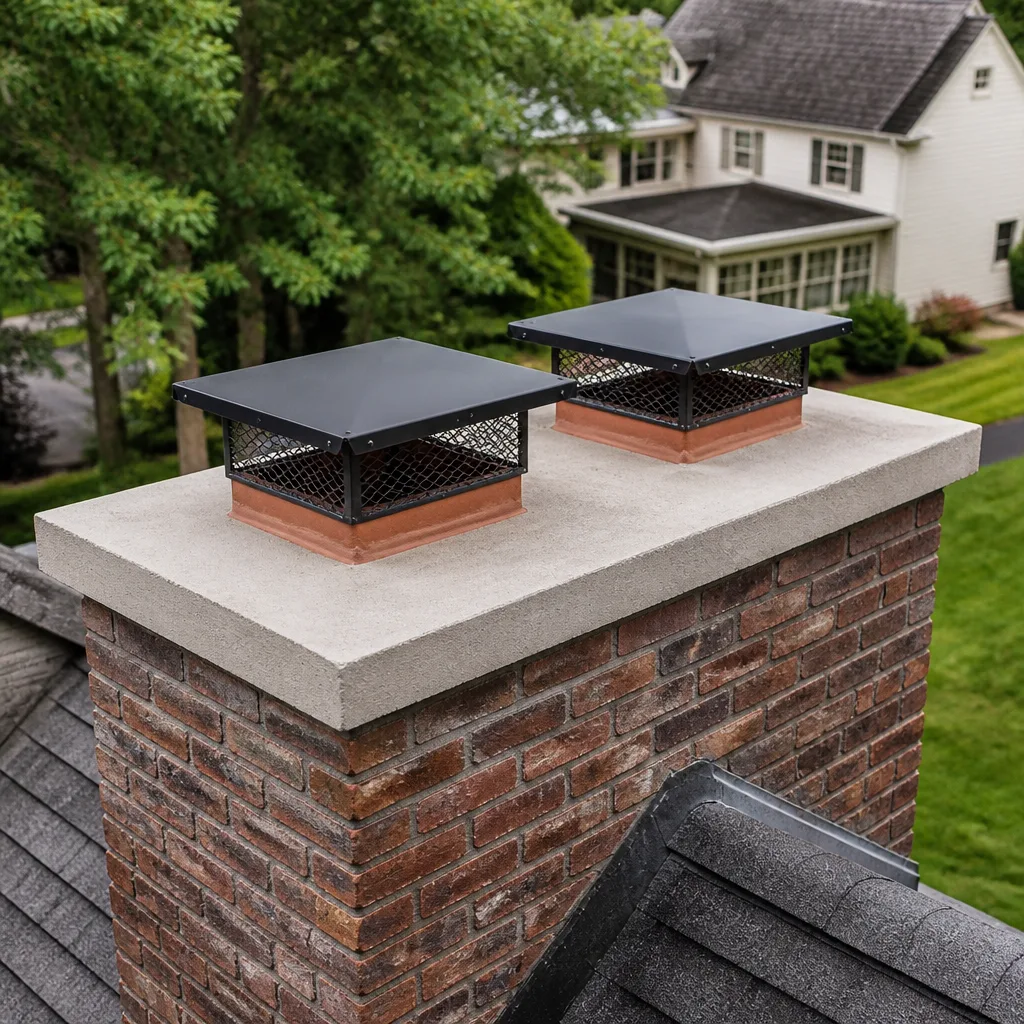 Caps & crowns
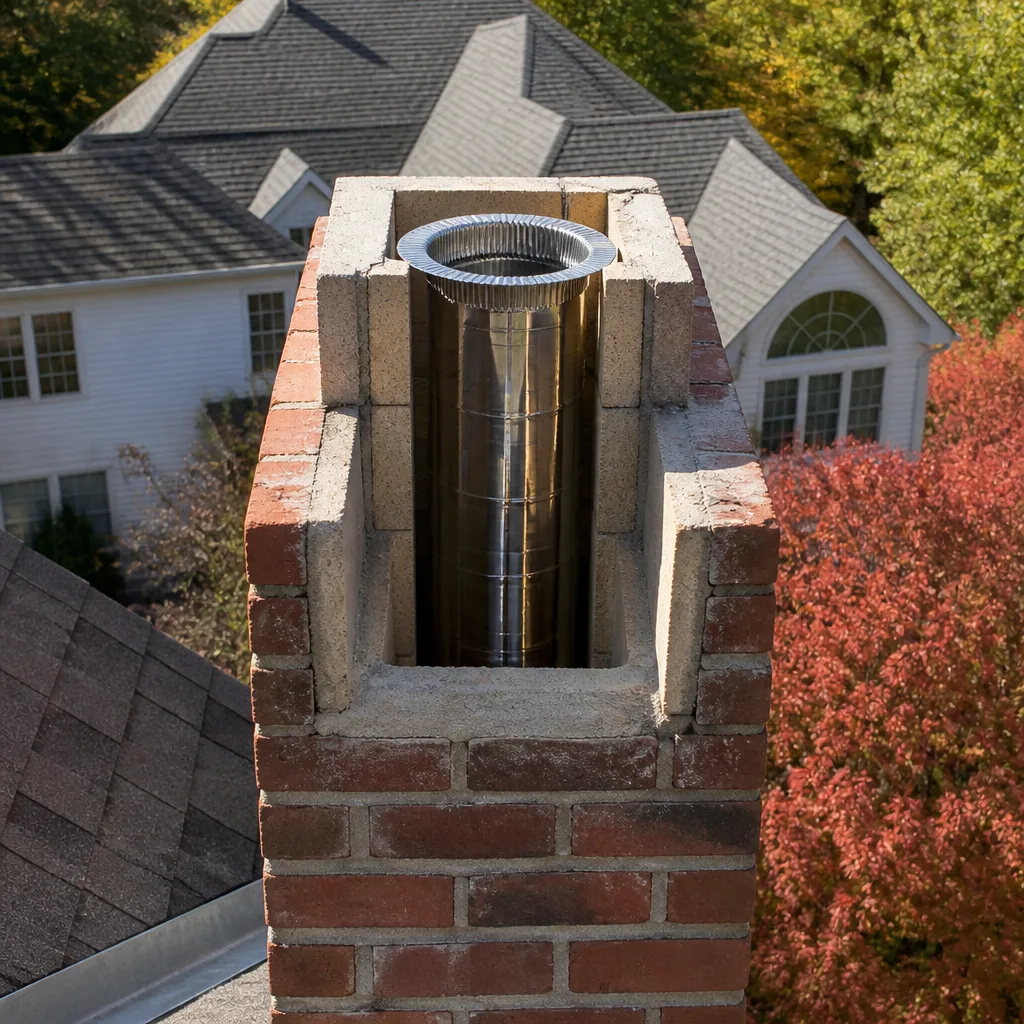 Flue relining
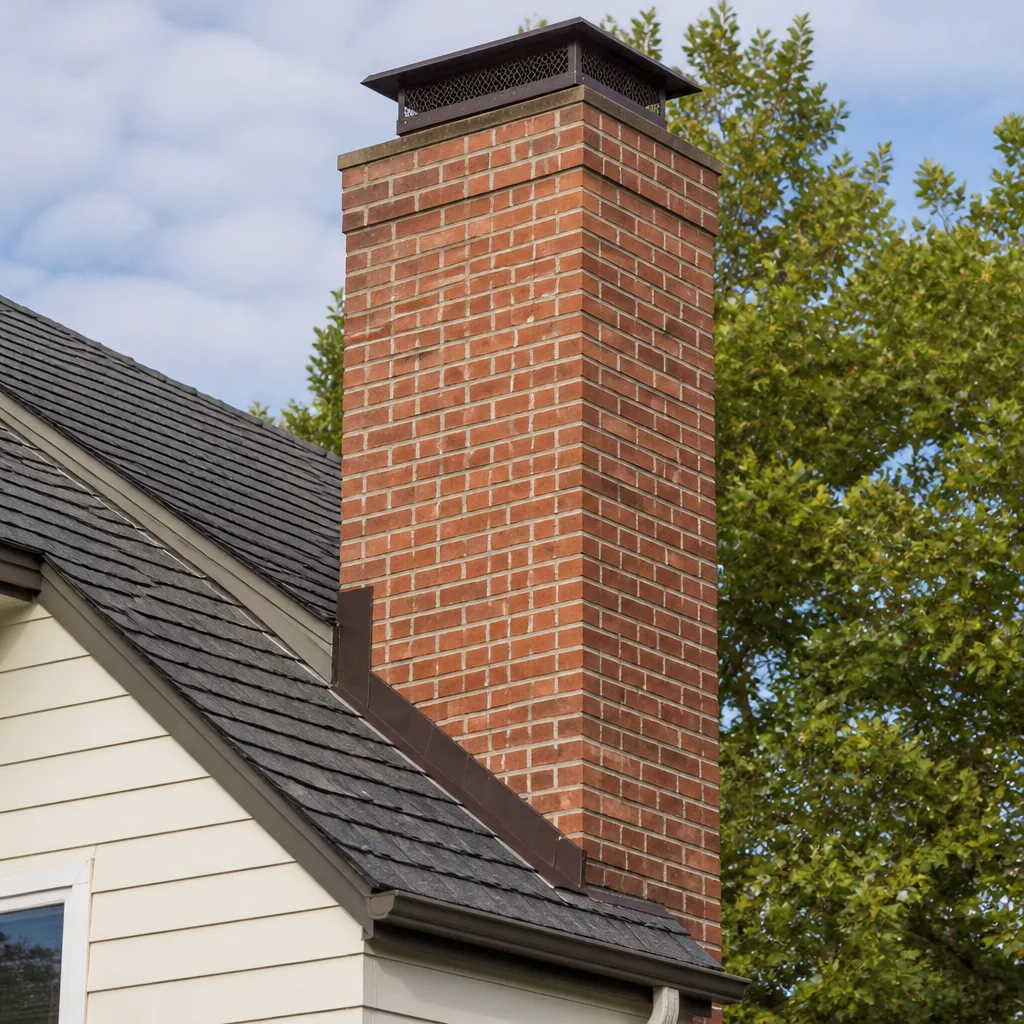 Masonry repair
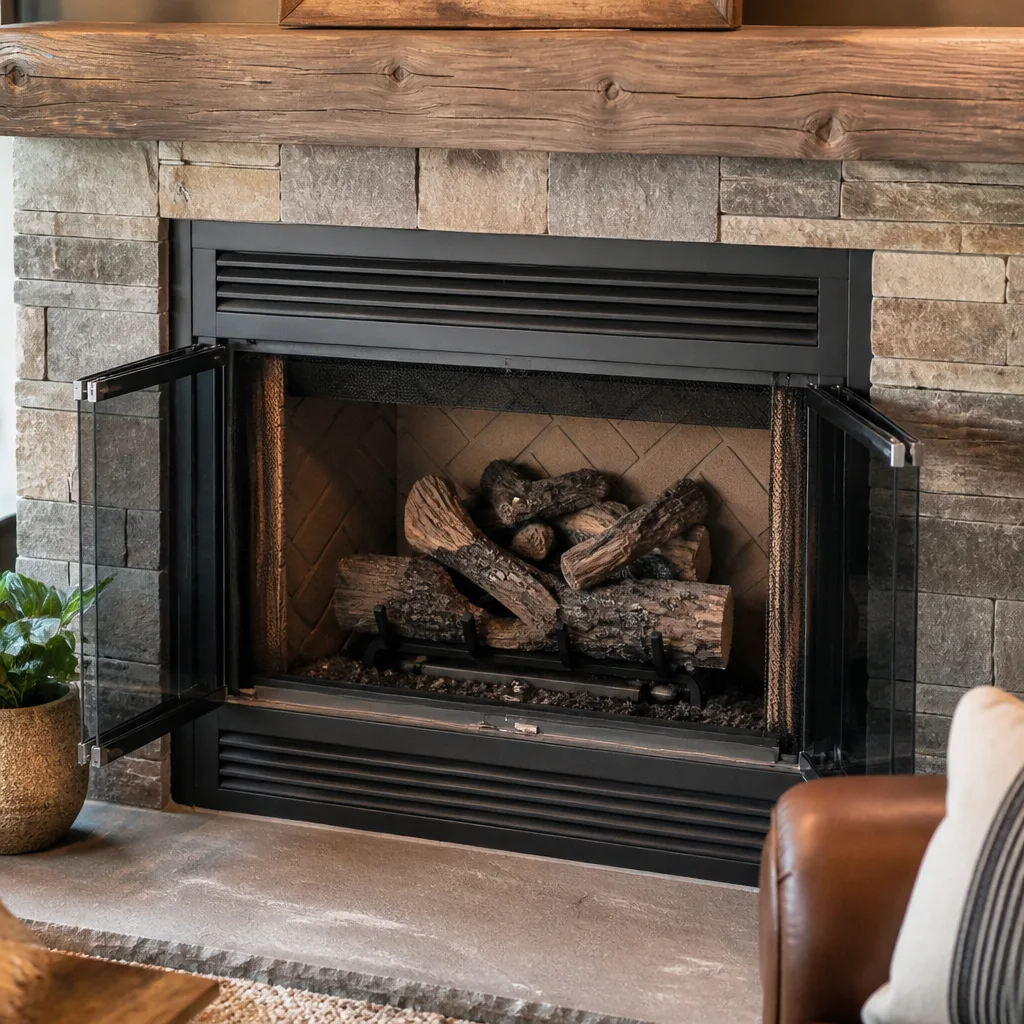 Gas fireplace service
Level 1 sweep and inspection to the NFPA 211 annual standard - flue, crown, cap, and flashing checked and photographed
Chimney sweep logs do not sweep chimneys. They loosen some creosote - which then falls where a brush and vacuum still have to collect it.
Chimney Cleaning Cost Breakdown: The St. Paul Homeowner’s Reference for 2026
A $99 chimney cleaning special and a $349 chimney cleaning may both be fair prices, for completely different scopes of work on completely different systems. That’s the part most quotes leave out. Chimney cleaning pricing in St. Paul doesn’t vary because one contractor is honest and another is gouging. It varies because a single-flue gas-appliance chimney with clean, accessible venting is a fundamentally different job than a hundred-year-old masonry stack with three flues, a cracked crown, and a Stage 2 creosote load baked onto the tile. This guide breaks down what a cleaning quote should actually contain, where legitimate add-on scope begins, and where upsell pressure begins. You’ll leave able to read a St. Paul chimney estimate the way a technician reads a flue.
Quick Answer
A standard chimney cleaning in St. Paul typically runs roughly $150 to $350 depending on flue length, accessibility, and deposit condition, with most single-flue wood-burning setups landing in the middle of that range. Stage 2 or Stage 3 creosote, multi-flue masonry, unlined chimneys, and required inspection levels push the estimate higher because they add real labor and real treatment. The written estimate, scoped per job, sets the final price, not a phone quote.
Styles & brands we work with
- Sweep & inspection
- Caps & crowns
- Flue relining
- Masonry repair
- Gas fireplace service
Table of Contents
- What a Standard Chimney Cleaning Quote Should Include
- How Creosote Stage Changes the Price
- Level I, II, and III Inspections: What Each Costs and When You Need It
- Why Older St. Paul Homes Cost More to Service
- How to Compare Chimney Cleaning Quotes Accurately
- Legitimate Add-On Scope vs. Upsell Pressure
- How Often a St. Paul Chimney Actually Needs Cleaning
- Common Mistakes to Avoid
What a Standard Chimney Cleaning Quote Should Include
A standard cleaning quote in St. Paul should cover the flue, the firebox, the smoke chamber, the smoke shelf, the damper, and the cap, plus a visual check of the appliance connection and a written summary of what was found. If a quote names only “chimney sweep” and nothing else, the scope is undefined, and an undefined scope is where surprise charges live.
Here is what belongs in a complete, itemized cleaning estimate:
- Flue brushing: the specific flue or flues being cleaned, with length and access noted.
- Firebox and smoke chamber: the smoke chamber is the tapered transition above the damper, and it’s the part most quick sweeps skip. It collects creosote too.
- Damper operation check: the damper should open and close freely and seat correctly.
- Cap and crown visual check: a missing or damaged cap lets water and animals in, so it gets assessed, not assumed.
- Debris removal and cleanup: soot and ash hauled out, floor protection used, work area left clean.
- Written findings: what condition the flue is in, what was found, and what it means.
A proper job uses drop cloths and a HEPA vacuum so the room doesn’t smell like a chimney afterward. If a quote doesn’t mention containment, ask. That’s a fair question, not a difficult one. Our technicians have up to 11 years of experience with exactly this kind of work, and every job ends with findings we can show you on camera.
How Creosote Stage Changes the Price
Creosote is the single biggest variable in cleaning labor. It forms in three recognized stages, and each stage demands different tools, different time, and different price impact. This is the concept that separates an accurate quote from a lowball one.
- Stage 1: soot and light flaky deposits. Standard brushing removes it. This is the baseline cleaning scope.
- Stage 2: a hardened, tar-like crust that clings to the flue walls. Brushing alone won’t cut it. It takes rotary tools and more time, which typically adds roughly $75 to $150 to the quote depending on flue length and how much of the surface is affected.
- Stage 3: a glazed, hardened deposit with the consistency of candle wax, often the result of chronic under-firing or restricted draft. It’s the most labor-intensive to remove and can signal that the liner itself needs assessment. Expect the treatment portion of the job to climb materially above a standard cleaning, and expect an inspection recommendation alongside it.
Why does St. Paul produce so much Stage 2 and Stage 3? Cold, long heating seasons mean more burn hours per year, and older masonry flues in older St. Paul homes run cooler than modern insulated liners. Cooler flue gas deposits creosote faster. Slow-burning, damp wood makes it worse. When a technician quotes you a higher number after seeing the flue, the honest question to ask is: “What stage are we dealing with, and can you show me?” The answer to that question, on camera, is the difference between a diagnosis and a sales pitch.
Level I, II, and III Inspections: What Each Costs and When You Need It
Inspection is not one thing. The trade recognizes three levels, and in the Twin Cities market each level carries a different cost and a different trigger. Knowing which one you actually need protects you from being sold a Level III when a Level I covers it.
- Level I: a visual check of the readily accessible parts of the system, without special tools beyond a flashlight and basic equipment. This is what comes with a routine cleaning when the appliance and fuel type haven’t changed. It’s included in most standard sweep quotes and costs nothing extra on its own.
- Level II: a more thorough inspection that includes a camera view of the flue interior. This applies whenever the appliance changes, a property changes hands, a chimney has had a fire or an event, or the system has been dormant. In the Twin Cities market, a Level II inspection typically adds roughly $150 to $300 to a cleaning, sometimes more with multi-flue work.
- Level III: an inspection that requires opening up parts of the chimney structure to access areas not otherwise visible. Its cost depends entirely on what has to be opened, so it gets quoted per job rather than as a flat line.
We document the Level I or Level II findings in writing, which is useful for real estate transactions and insurance requirements. When we run a camera, you see the footage. Nothing gets recommended without evidence you can see for yourself.
Why Older St. Paul Homes Cost More to Service
St. Paul’s housing stock is a big part of what makes a St. Paul cleaning quote different from a suburban one. Walk through the neighborhoods around Highland Park, the North End, or Dayton’s Bluff and you’ll see a lot of masonry chimneys built for multiple separate flues, some of them original clay tile liners, some never lined at all. Each of those details adds labor, and each has a legitimate cost behind it.
Here is what the extra money actually covers:
- Multiple flues: a three-flue masonry chimney takes substantially longer to clean than a single-flue one. Each flue gets brushed and inspected separately, which drives the labor up.
- Unlined masonry: a flue with no liner, or with deteriorated clay tile, has to be cleaned carefully because brush contact can loosen brick and mortar. That careful touch takes more time.
- Poor access: the roof pitch, tree overhang, and tight soffits on older properties can slow safe access, and that time is real.
- Degraded joints and an uneven crown: these don’t necessarily raise the cleaning cost, but they show up in the findings and may trigger a Level II or a conversation about resurfacing or relining. A HeatShield resurfacing can repair a deteriorated flue liner without full demolition, which is often a far less expensive path than a complete reline. We only raise it when the camera shows it.
None of those costs are contrived. They reflect a specific building doing specific things. When you understand the system, the quote reads differently. That’s the point of the whole exercise.
How to Compare Chimney Cleaning Quotes Accurately
The hardest part of chimney cleaning isn’t the cleaning, it’s comparing apples to apples when two quotes look nothing alike. A $120 quote and a $280 quote may cover the same work, or they may not. Turn a vague estimate into a comparable document by asking these questions before you commit:
- What is the exact scope? Ask which flues, which components, and whether the smoke chamber is included.
- What inspection level is included, and will it be written up? A cleaning with no written findings is a cleaning you can’t verify.
- Will you camera-inspect the flue, and can I see the footage? Honest companies show you the flue interior, not just a summary.
- How do you handle creosote? If the answer is “we’ll see once we’re up there and the price may change,” get the add-on ranges up front in writing.
- What happens if you find a problem? Ask whether repair recommendations come with evidence and a written explanation, and whether work can safely wait.
- Is the written estimate the final price, or a starting point? The written estimate should set the final price. Any legitimate scope change should be discussed with you before work continues.
Two quotes that differ wildly are giving you different scopes, not different prices for the same thing. That’s the trap. Call chimney sweep and ask these questions before you book, and you’ll be able to tell a fair estimate from a misfiled one.
Legitimate Add-On Scope vs. Upsell Pressure
This is where the real skepticism gets answered. Both piles of “extra work” exist, and they look similar on paper: both appear after the technician has been in the flue. The way to tell them apart is evidence.
Legitimate add-on scope is work the camera and the findings justify, and it’s the kind of thing that genuinely needs doing to keep the system safe:
- A damaged liner or cracked joint that lets creosote or exhaust escape.
- A missing or damaged cap that lets water and animals into the flue. Gelco and Olympia Chimney caps are the kind of properly fitted terminations we specify because they seal that opening correctly.
- Creosote deposits deep enough to need treatment before the sweep can be completed.
- Deteriorated flue walls that call for resurfacing rather than a straight clean.
Upsell pressure is a recommendation that arrives without evidence, arrives before you’ve seen anything, and gets framed as urgent when the camera shows nothing. It also often arrives as a bundle: the sweep, the inspection, and the liner all recommended in one breath, seconds after someone glanced at your chimney. A technician who can’t or won’t show you the reason isn’t diagnosing, they’re selling.
Here’s how we handle it. We use brands we can trust, specified for cold-weather performance: DuraFlex flexible liners for relining demanding jobs like oil-to-gas conversions and oversized masonry flues, and Gelco or Olympia Chimney terminations for correct closure. But a brand we name is only ever a solution to a documented finding. If the camera shows a flue that just needs a brush, we clean it and tell you so. If the work can safely wait a season, we say that too. The written findings are yours to keep and to check.
How Often a St. Paul Chimney Actually Needs Cleaning
There’s no fixed universal answer, but the working rule of thumb is an annual inspection and a cleaning whenever the deposit layer reaches about an eighth of an inch, or once a year under normal wood-burning use. Some St. Paul homeowners need it more often than that. It depends on burn habits and the system.
In a St. Paul heating season, several factors shorten the interval:
- Burning lots of hours. A fireplace used regularly through a long, cold season builds deposits faster than a gas insert used on chilly nights.
- Burning wet or unseasoned wood. Damp wood smolders and deposits more creosote than dry, well-seasoned wood.
- An older, cooler-running masonry flue. Cool flue gas condenses deposits faster than a modern insulated liner running at higher temperature.
- Burning with the damper barely open. Restricted draft means slower combustion and heavier deposits.
An annual sweep is the simplest way to stay ahead of it. And it’s worth saying plainly: creosote buildup is the fuel in a chimney fire, and a blocked or deteriorated flue can send carbon monoxide back into the living space. Those are the real reasons to keep the schedule. Not a sales line, just how a flue behaves when it’s ignored.
Common Mistakes to Avoid
- Chasing the lowest quote without reading the scope. A rock-bottom price often reflects a brush-and-leave job that skips the smoke chamber and provides no findings. In St. Paul’s older multi-flue masonry, that’s the part that matters most.
- Assuming a higher quote is an upsell. A higher price on a hundred-year-old chimney with Stage 2 deposits may be the accurate one. Ask what’s behind the number before dismissing it.
- Skipping the inspection because you only wanted a cleaning. The cleaning tells you what was removed; the inspection tells you what you’re left with. You need the second to know if the system is sound.
- Burning unseasoned wood and expecting the flue to stay clean. Wet wood drives creosote fast, and it’s a fixable habit that shows up in the deposits.
- Ignoring a missing or loose cap. An open flue lets water and animals in, which damages the liner and the damper. A properly fitted cap closes that gap.
- Accepting a repair recommendation without seeing the evidence. Ask for the camera footage or photos. A line item without a reason is a conversation, not a decision.
- Letting several years pass with no service. Deposits and deterioration build quietly. The time to catch a problem is before it becomes a repair.
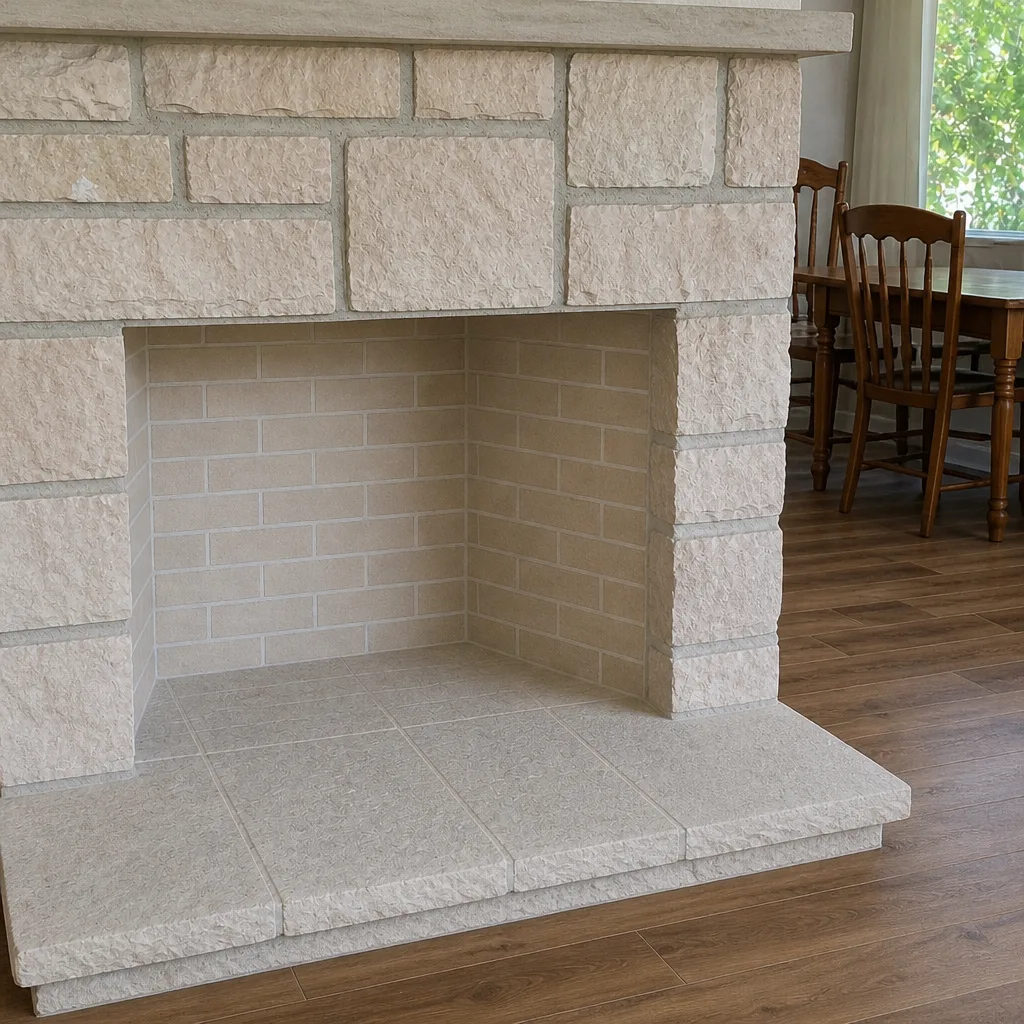
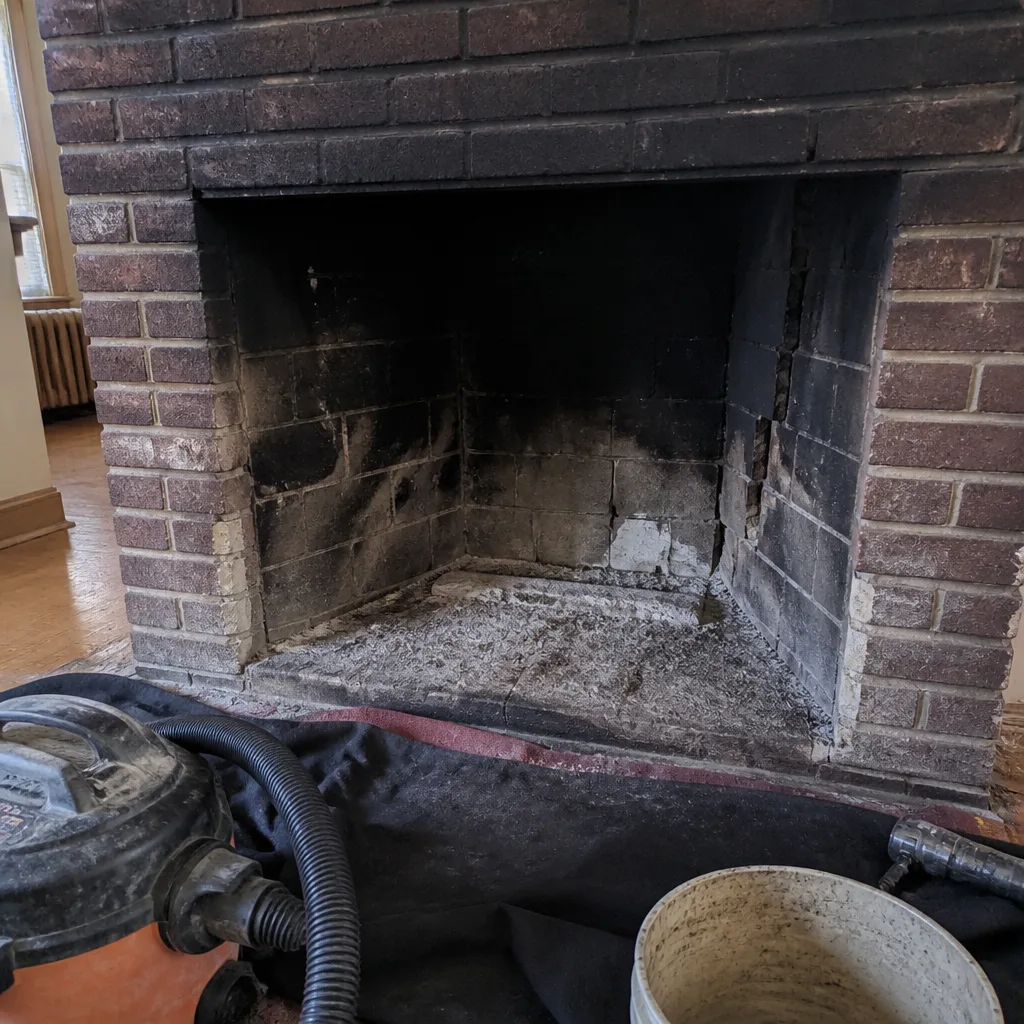
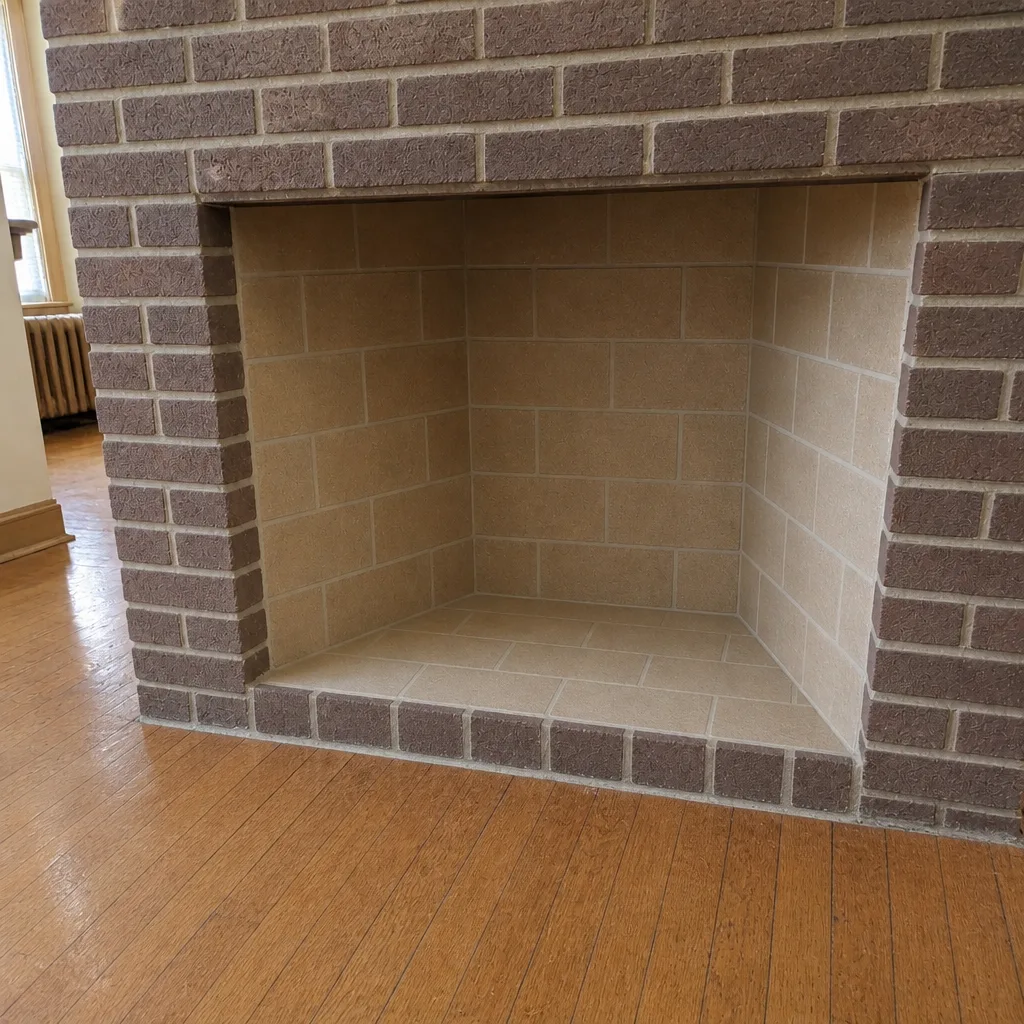
See the difference
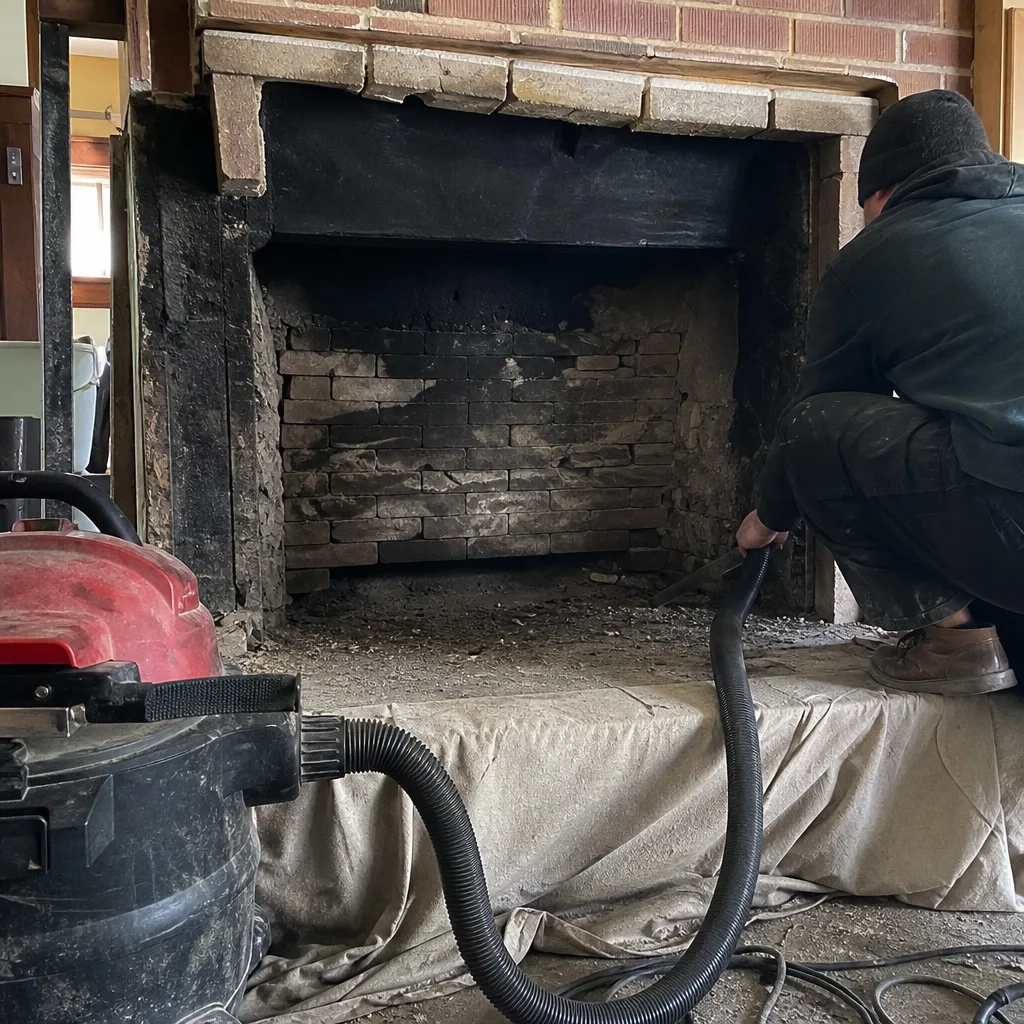 Before
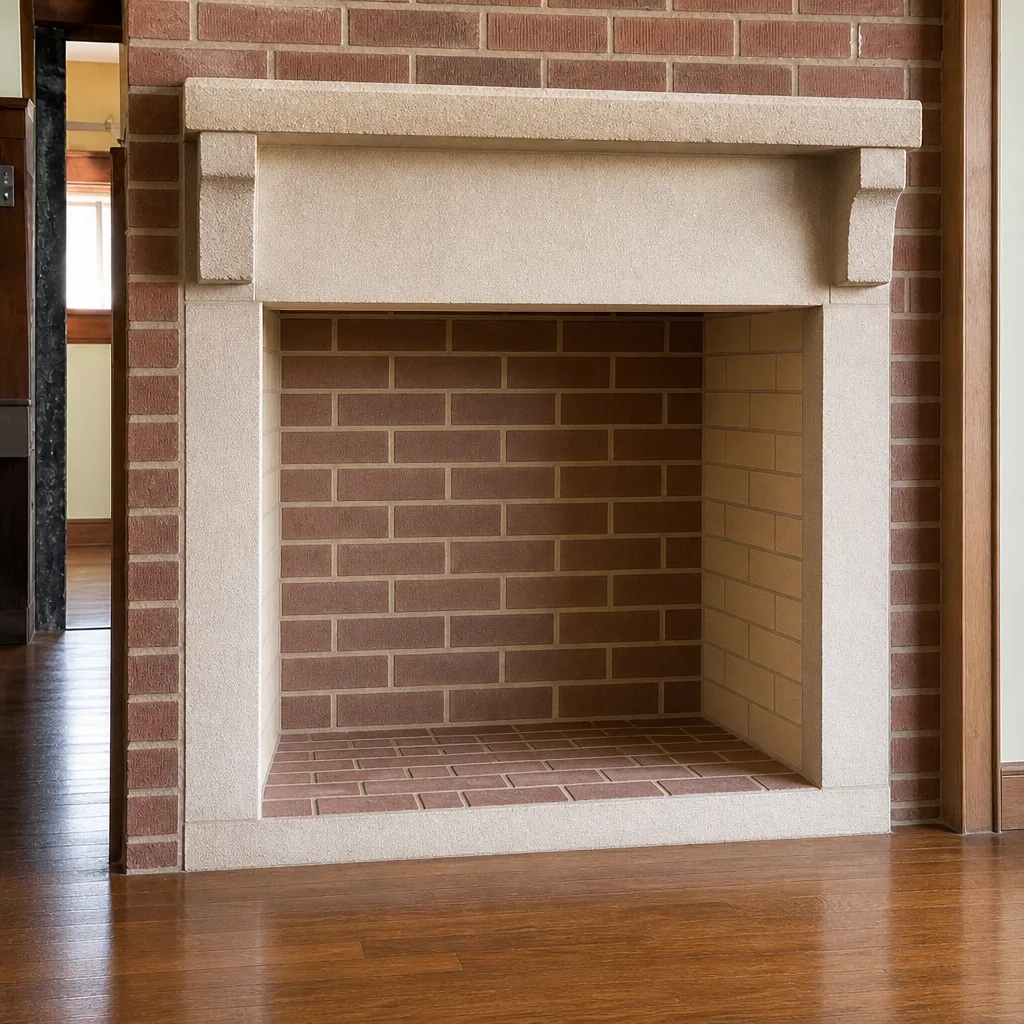 After
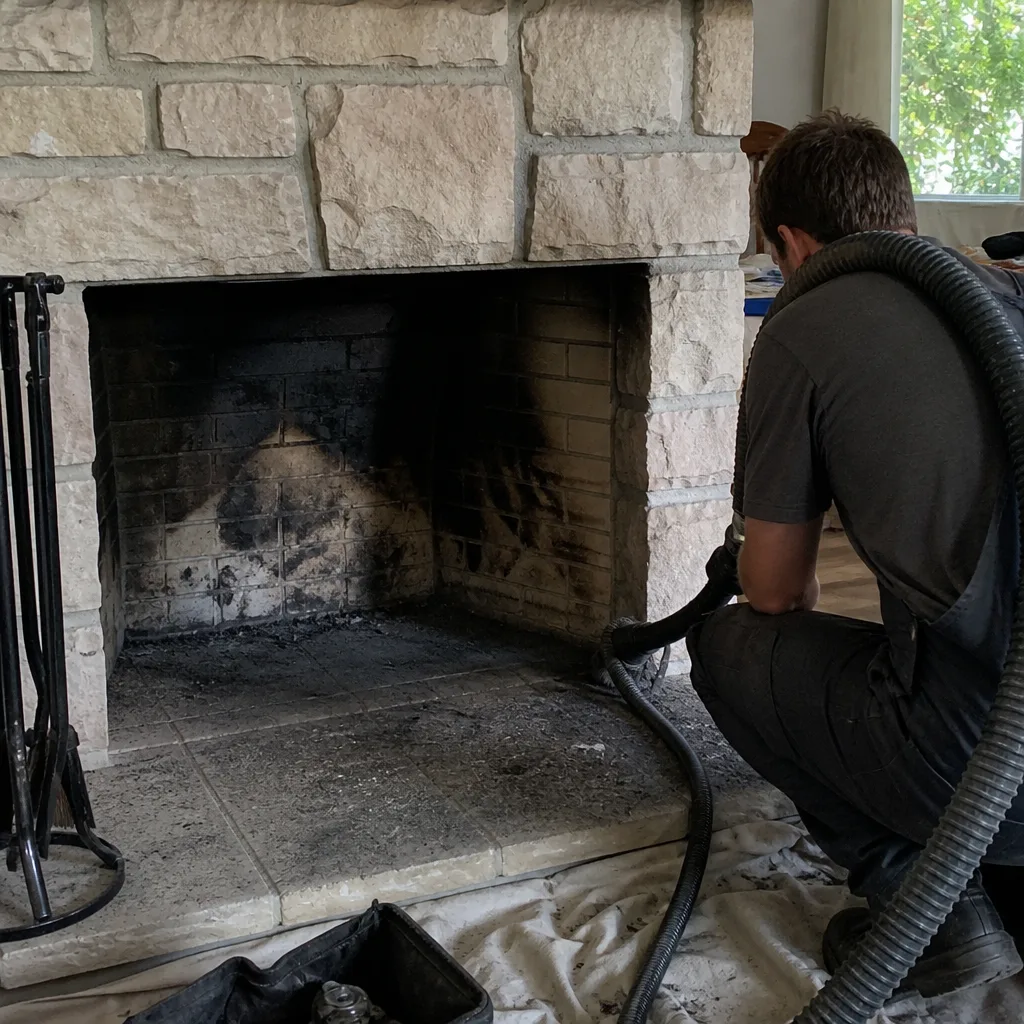 Before
 After
 Before
 After
When to Call a Professional
Call a professional when the deposit layer is visible, when it’s been a year or more since the last cleaning, when you’ve had any change to the appliance or fuel type, or when the chimney has had a fire or a draft problem. Call sooner if smoke backs into the room, if you smell a strong creosote odor when the fireplace isn’t in use, or if you notice water or animal intrusion near the cap. The appliance connection and the flue interior aren’t things to eyeball from the hearth. Tundra Chimney Sweep offers free estimates in St. Paul, and our technicians carry up to 11 years of experience assessing exactly these conditions. Call (866) 942-6061. We answer 24/7. Fast dispatch from 7am to 7pm, Sunday through Friday. Integrated with our chimney repair work, we can resolve what the inspection finds without sending you to a separate contractor.
Frequently Asked Questions
Most chimney cleaning jobs in St. Paul fall roughly between $150 and $350, depending on flue length, accessibility, and the condition of the deposits. Single-flue wood-burning setups usually land near the middle of that range; Stage 2 or Stage 3 creosote, multi-flue masonry, and required inspection levels push the number higher. The written estimate sets the final price per job. Call (866) 942-6061 for an exact quote, and we’ll scope it around your system.
Only if the inspection shows the existing liner is damaged, deteriorated, or absent in a way that puts the system at risk. A camera view is the only honest way to answer that question, and you should see it. We don’t recommend a liner without evidence you can see for yourself. Call (866) 942-6061 and ask for the footage along with any recommendation.
Once a year under normal wood-burning use, or whenever deposits reach about an eighth of an inch. Long, cold St. Paul heating seasons and cool-running older masonry flues can shorten that interval, especially if you burn wet or unseasoned wood. An annual sweep keeps you ahead of the buildup. Call (866) 942-6061 to book one and get an honest read on your flue.
Deposits keep building, creosote becomes fuel for a chimney fire, and a blocked or compromised flue can let carbon monoxide back into the living space. It’s not a scare tactic, it’s how a neglected flue behaves. The safer default is a yearly sweep and a written inspection. Call (866) 942-6061 to schedule one, and we’ll tell you plainly where your system stands.
It costs extra because it’s genuinely more work: a camera run through the flue interior, a longer assessment, and a written report. In the Twin Cities market it typically adds roughly $150 to $300 to a routine cleaning. It’s not warranted for every homeowner, but it applies whenever the appliance changes, a property changes hands, or the system has had a fire event. Call (866) 942-6061 and we’ll tell you which level your situation actually calls for.
Not from the number alone. Two quotes that differ widely usually cover different scopes, so you need to compare flues listed, inspection level included, smoke chamber coverage, creosote handling, and whether the written estimate is final. A fair quote names what it includes and whether findings will be written up. Call (866) 942-6061 and we’ll walk you through our scope before you book.
The Bottom Line
Chimney cleaning cost in St. Paul reflects the actual system, not a fixed menu price. Stage 1 deposits on a clean single flue cost less than a Stage 2 or Stage 3 load on an unlined multi-flue chimney, and legitimately so. Level I, II, and III inspections differ for good reasons, and you should know which one you’re paying for. The way to keep yourself honest is to demand documented findings, camera evidence, and a written scope from every quote. When you get that, the price stops being a number to haggle over and becomes a description of your chimney. Our approach relies on professional-grade products like DuraFlex and HeatShield when a documented finding actually calls for them, and it stops at a clean sweep when that’s all the flue needs. For a proper look at your own system, book a St. Paul appointment and bring your questions.
Contact
Understanding chimney cleaning cost in St. Paul doesn’t require an engineering degree. It requires a technician who scopes the job honestly, shows you the evidence, and sets the price in writing. If you’re ready for a straight answer about your flue, call Tundra Chimney Sweep at (866) 942-6061 for a free estimate. We answer 24/7. Fast dispatch from 7am to 7pm, Sunday through Friday. Every job starts with a sweep, a repair assessment, and an inspection under one roof, so you don’t coordinate a separate inspector afterward. Tundra Chimney Sweep is here when your system needs a real look, and so is our chimney repair team when the inspection turns up something worth fixing.
Written by the team at Tundra Chimney Sweep.