
Last updated November 16, 2026
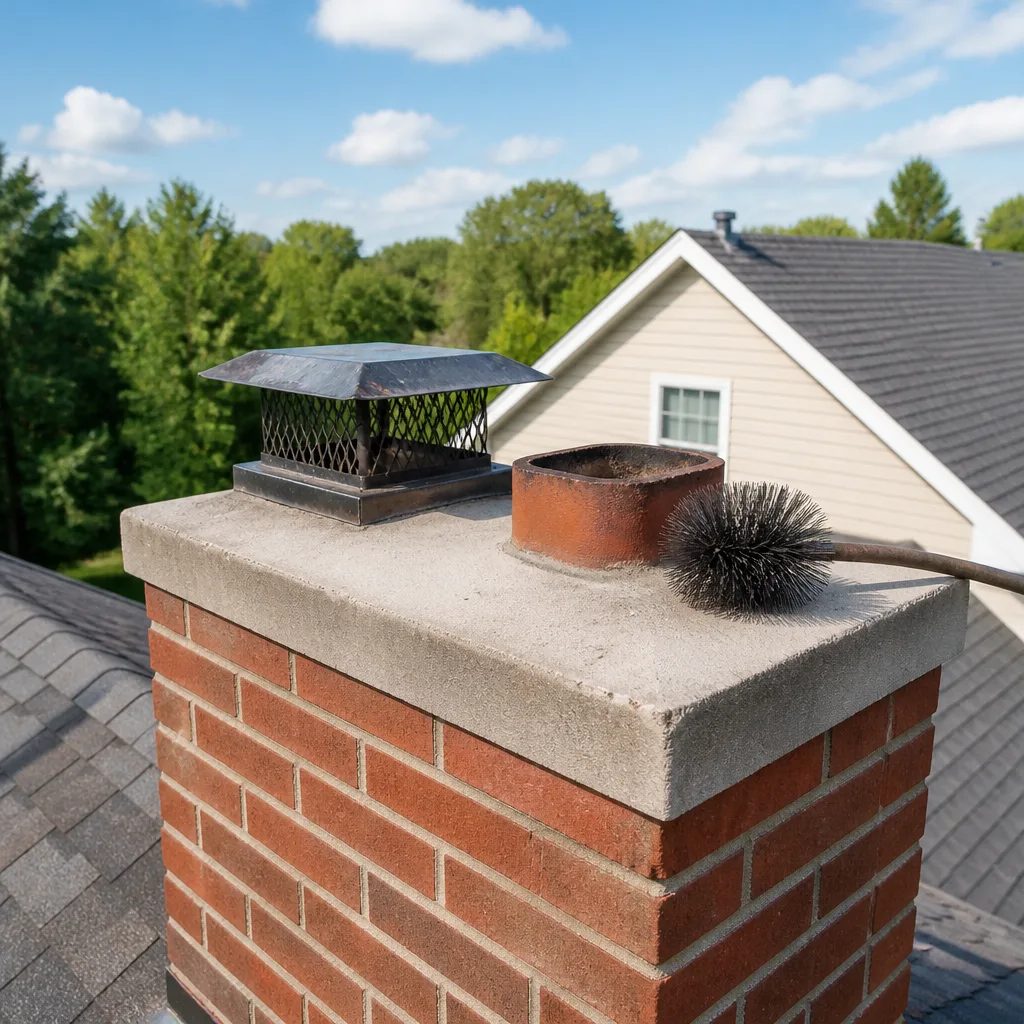 Sweep & inspection
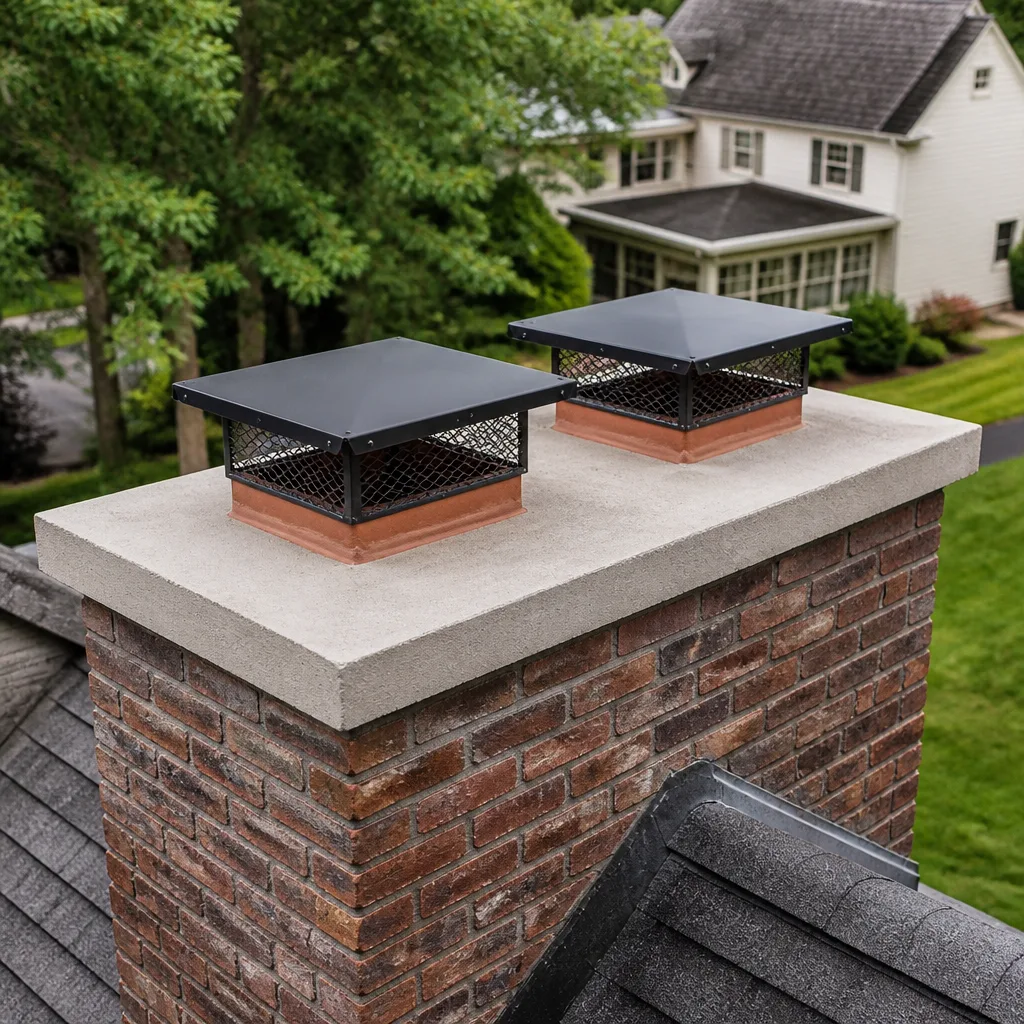 Caps & crowns
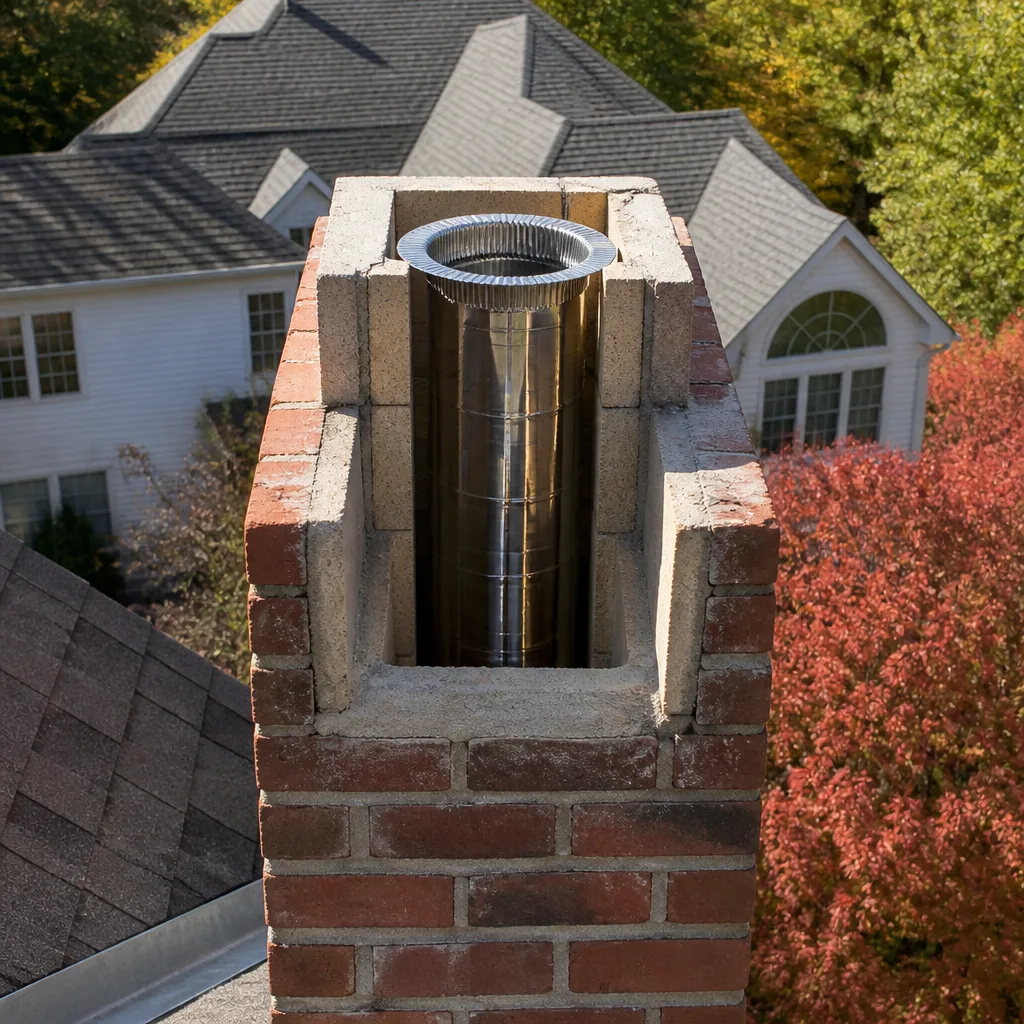 Flue relining
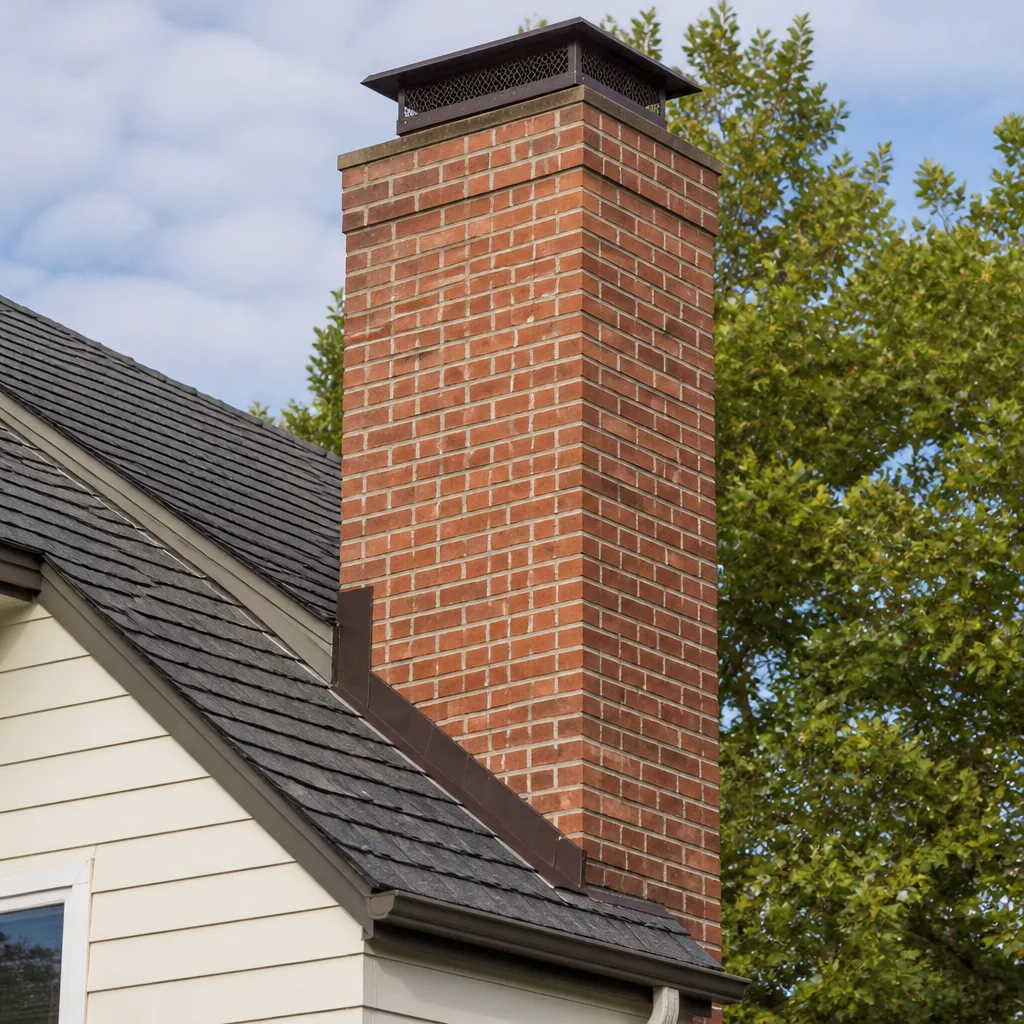 Masonry repair
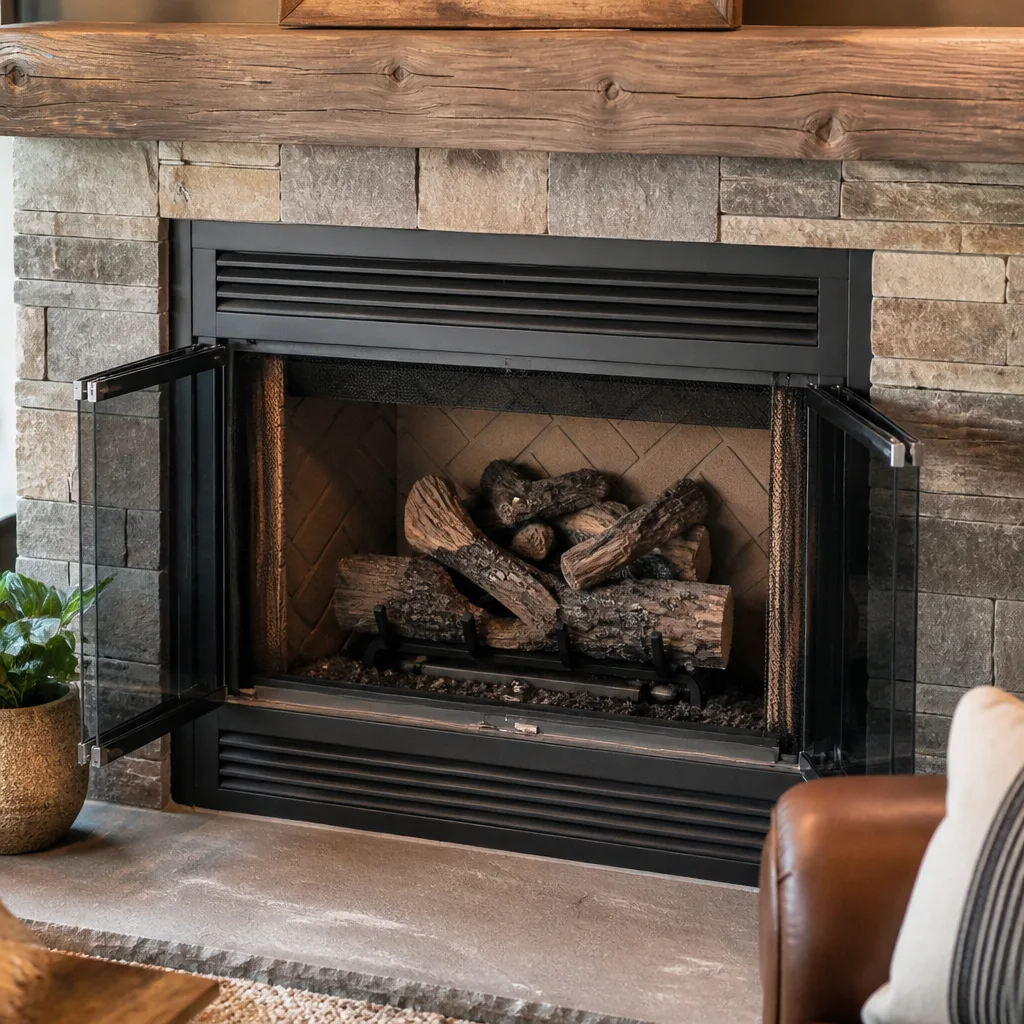 Gas fireplace service
Level 1 sweep and inspection to the NFPA 211 annual standard - flue, crown, cap, and flashing checked and photographed
Chimney sweep logs do not sweep chimneys. They loosen some creosote - which then falls where a brush and vacuum still have to collect it.
Seasonal Chimney Cleaning Care for St. Paul: Year-Round Homeowner’s Guide
The worst time to discover your chimney needs work is October, when every sweep in the Twin Cities is booked three weeks out and the first hard freeze is two weeks away. Most homeowners treat chimney care as a single autumn errand, and that habit is exactly why October gets so crowded. A chimney in St. Paul doesn’t age on a calendar year; it ages on moisture events. Spring thaw, summer humidity, fall condensation, and deep-freeze contraction each do their own kind of work on masonry, liners, and caps. This guide maps those events month by month so you can schedule the right check at the right time instead of scrambling when the cold arrives.
Quick Answer
Chimney care in St. Paul works best on a moisture-driven calendar rather than a once-a-year sweep: inspect after spring freeze-thaw, guard against summer nesting and humidity, sequence your fall prep in the right order well before the first freeze, and watch winter use indicators for early warning signs. A sweep and inspection are the anchor points, but the checks around them are what protect the system between visits.
Styles & brands we work with
- Sweep & inspection
- Caps & crowns
- Flue relining
- Masonry repair
- Gas fireplace service
Table of Contents
- Why St. Paul Chimneys Age on Moisture, Not Seasons
- Spring Thaw: What Freeze-Thaw Reveals and What to Check
- Late Spring (May-June): The Optimal Liner Inspection Window
- Summer in Minnesota: Nesting, Humidity, and Occupied Flues
- Fall Preparation: The Correct Sequence
- Winter Use Indicators: Reading Smoke, Odor, and Downdraft
- Month-by-Month Task Map for St. Paul Homeowners
- What You Should Check Yourself vs. What to Schedule
Why St. Paul Chimneys Age on Moisture, Not Seasons
A masonry chimney is a porous structure that spends most of its life wet. That single fact drives almost everything about how it wears in St. Paul. Rain and snow soak into brick and mortar. Freezing temperatures expand the trapped water, and expansion cracks the mortar joints and spalls the brick face. Then the thaw releases that water into the flue, where it meets the products of combustion and turns acidic. The cycle repeats every winter, and it is cumulative.
This is why the seasonal names on the calendar matter less than the moisture events behind them. A chimney doesn’t “wear out in winter” so much as it wears out at the freeze-thaw boundary, then takes on more water the following summer. Each stage sets up the next.
- Spring thaw: ice in the masonry and liner expands and retreats, opening cracks that didn’t exist in October.
- Summer humidity: warm, damp air holds moisture against the exterior and inside a dormant flue, feeding deterioration and creating a place animals want to nest.
- Fall condensation: as outdoor air cools faster than the chimney mass, moisture condenses on cool flue surfaces and mixes with soot.
- Deep-freeze contraction: the whole system shrinks slightly under sustained cold, stressing joints and connections that were fine before.
The practical takeaway for a St. Paul homeowner is this: the annual sweep is one appointment, but the checks that catch problems happen between appointments, and they’re tied to moisture, not to the month names on a wall calendar. Our approach at Tundra Chimney Sweep treats the flue as a system with an annual cycle, not a chore with a season.
If you’re wondering whether a system this old or this wet can still be brought back, read our guide on chimney repair to understand what resurfacing and relining can realistically fix.
Spring Thaw: What Freeze-Thaw Reveals and What to Check
Spring is the diagnostic season in St. Paul. The freeze-thaw cycle that runs from roughly late March into April is the single most damaging stretch for masonry, and it’s also the moment new cracks become visible. That’s your opportunity to see what the winter actually did before anything gets repaired or dressed up for fall.
What you can check yourself in spring:
- Exterior mortar joints. Walk the outside of the chimney and look for crumbling, sandy mortar, white chalky bloom, or brick faces flaking off. Those are signs water has been getting in and freezing.
- Ground and roof contact. Check where the chimney meets the roof for stained shingles, rust streaks, or daylight at the flashing, which point to water tracking in.
- Firebox and damper. Look up into the firebox with a flashlight for cracked firebrick, loose mortar, or rust on the damper. Note anything that looks new since last spring.
- Interior staining. Check ceilings and walls near the chimney for new water stains or efflorescence, which show moisture moving through masonry.
What you should not do is get up on the roof to inspect the cap or crown yourself. Height work on a wet, steep roof in spring is genuinely dangerous, and the components that matter most (crown, cap, and top flashing) are exactly where the risk is highest. Leave the roof-level inspection to a trained professional with the right equipment.
In St. Paul’s older homes around the Summit and Cathedral Hill neighborhoods, spring often exposes mortar that looked sound all winter but crumbled the moment the last freeze passed. That’s not a surprise; it’s the pattern. The question is whether you catch it in May or discover it in October.
Late Spring (May-June): The Optimal Liner Inspection Window
Late spring is the best window in St. Paul for a full liner inspection, and the reason is timing. By May or June, freeze-thaw stress has already revealed any new cracks in the clay tile or the joints of the liner. At the same time, the humid season hasn’t yet pushed sustained moisture into the flue. So an inspection done now sees the true condition of the liner without the noise of summer dampness or a fresh layer of fall soot.
This matters because the liner is the part of the system doing safety-critical work. It carries combustion gases up and out and keeps them away from the wood framing around the chimney. A cracked or spalling liner lets heat and carbon monoxide reach places they should never be. In a masonry chimney, those cracks show up most clearly after the pressure of freeze-thaw.
A professional inspection at this point in the year should include:
- A visual scan of the flue with a camera, with photos you can look at yourself.
- Assessment of the liner joints, any spalling, and gaps between liner sections.
- Verification of the cap and crown, which take the worst of the moisture.
- A written report of what’s found, which you can keep for insurance or a future sale.
Here’s where the material matters. When a liner is deteriorated but not gone, resurfacing can often restore it without full demolition. We use HeatShield for exactly this reason: it lets us resurface a failing liner in place rather than tear out and rebuild. The functional benefit is real: it saves the cost and disruption of a full reline when the liner can be saved. When a full reline is the correct call, we specify DuraFlex flexible liner systems, which is the approach that holds up in oil-to-gas conversions and oversized masonry flues that many sweep-only companies won’t take on.
If you’ve never had the flue inspected with a camera, late spring is the time to book one. An inspection documents the system in writing, and that record is worth having whether or not you need work. Learn more about what that visit covers on our chimney sweep page.
Summer in Minnesota: Nesting, Humidity, and Occupied Flues
Summer in St. Paul is when a dormant chimney becomes attractive real estate. Raccoons, squirrels, and birds look at a cold flue as a safe, dry den, and the nesting season runs through the warm months. A flue that sat unused and clean in May can be occupied by July, and you won’t know it unless you look for the signs.
How to identify occupation without opening the damper:
- Scratching or rustling sounds from the chimney, especially at dusk and dawn.
- Droppings or debris in the firebox, on the damper shelf, or on the hearth.
- Nesting material visible when you shine a light up the flue from the firebox.
- Staining or stains on the flue from animal waste, or a nest built right at the top of the flue.
Do not open the damper to investigate. A frightened animal in a confined flue can leave the firebox and get into the living space, and some of them carry disease. The safer path is a professional inspection, which can clear the flue and confirm it’s sound.
The second summer issue is humidity. Warm, damp air sits against the chimney exterior and can migrate into masonry, feeding the very cracks spring revealed. This is why a properly fitted cap and crown are worth attention in summer: they’re the barrier keeping the rain and damp out. We specify Famco and Gelco caps and flashing solutions because a properly fitted termination is what prevents water and animal intrusion in the first place, and it’s cheaper to fit a correct cap than to repair the water damage a bad one allows.
For property managers with multiple units, summer is also the logical time to schedule inspections for the whole portfolio, since there’s no demand from heating and the reports are ready before any fall rush.
Fall Preparation: The Correct Sequence
Fall is the season everyone thinks of for chimney work, and it is important, but the order in which you do things matters more than most homeowners realize. Doing the steps out of sequence means you either waste a visit or miss a problem. Here is the sequence we recommend for St. Paul homeowners as the heating season approaches.
- Inspect the cap and crown first. Before anything else, confirm the cap is intact and properly fitted and the crown is sound. If water can get in, cleaning the flue first just means it gets wet again.
- Check the damper and firebox. Confirm the damper opens and closes correctly and the firebox has no new cracks. A stuck-open damper wastes heat all winter; a cracked firebox is a safety issue.
- Clean the flue. With the top sealed and the firebox sound, a proper sweep removes soot and creosote buildup. Creosote is the fuel for chimney fires, and a clean flue is the goal of the whole season.
- Start the appliance and test draft. Only after the above do you light the first fire and confirm the draft pulls correctly. If smoke rolls back into the room, you can address it before you’re depending on the system.
The sequence matters because each step protects the next. Cap last means water in the flue; inspect after cleaning means inspecting a soot-covered mess; appliance startup before a draft test means discovering a problem the hard way.
St. Paul’s early fall is also when the first condensation events hit, so the earlier you complete the sequence, the more of the damp season you spend protected. Booking before the October crunch is the practical move. If you’re ready to schedule, we offer free estimates in St. Paul and you can reach us at (866) 942-6061.
Winter Use Indicators: Reading Smoke, Odor, and Downdraft
Once the heating season is underway in St. Paul, you don’t have to wait for the annual visit to notice a problem. The system gives you indicators during use, and reading them early can catch issues before they get serious. The trick is knowing what’s normal and what’s a shift.
Three indicators worth watching:
- Downdraft changes. If a chimney that used to draft well suddenly struggles, or smoke comes back into the room when you open the firebox door, something has changed. A partially blocked flue, a shifted cap, or a new crack in the flue can all cause it.
- Odor patterns. A chimney that smells strongly of creosote, especially on damp days, or that produces a new smoky smell in the house, is telling you soot or moisture is present. A persistent odor is a signal, not a nuisance to mask.
- Smoke rollout behavior. Smoke that lingers at the top of the firebox instead of rising, or that spills into the room, is the clearest warning that draft has been compromised. Stop using the fireplace and get it looked at.
Winter is also when deep-freeze contraction stresses the whole system. A joint that was fine in November can open by January. You can’t see that from the living room, but a change in draft or an odor is often how it shows up.
The safety stakes here are real and worth stating plainly. A compromised flue can allow carbon monoxide into the home, and creosote buildup is what feeds a chimney fire. That’s not a scare tactic; it’s why we recommend stopping use and calling when the indicators show up. We answer 24/7. Fast dispatch from 7am to 7pm, Sunday through Friday.
Month-by-Month Task Map for St. Paul Homeowners
Here is the year mapped to St. Paul’s climate events, with a clear split between what you check yourself and what you schedule with a professional. Use this as a reference, not a rigid rule; the actual timing shifts with the weather each year.
- March-April (thaw): You check exterior mortar, roof contact, firebox, and interior staining. Schedule nothing unless you see something new. Roof-level inspection is a professional task.
- May-June (optimal inspection window): Schedule a full camera inspection of the liner and a written report. This is the best time to catch freeze-thaw damage and to plan any resurfacing before summer humidity.
- July-August (nesting and humidity): You listen for animal sounds and watch for droppings. Schedule a flue check if you suspect occupation. Confirm cap and crown are intact.
- September-October (fall prep): Schedule the sequence: cap and crown, damper and firebox, cleaning, appliance startup and draft test. Book early; October fills up.
- November-February (use season): You watch draft, odor, and smoke behavior. Schedule a service call if any indicator shifts.
Two things stand out about this map. First, the heaviest professional work falls in late spring and early fall, not just fall. Second, the summer nesting window is the one most St. Paul homeowners skip entirely, and it’s the easiest to check for on your own.
If you’re new to the area or to the home, our St. Paul page is a good starting point for understanding how the local climate shapes the work.
What You Should Check Yourself vs. What to Schedule
A good homeowner check catches changes early and saves money. But some parts of a chimney system are genuinely unsafe to inspect or service yourself, and knowing the divide matters.
Safe for you to check:
- Exterior mortar and brick condition from the ground.
- Interior staining on walls and ceilings.
- Firebox cracks and damper operation from inside the room.
- Sounds, smells, and smoke behavior during use.
- Droppings or debris on the hearth, without opening the damper.
Leave to a professional:
- Any roof-level inspection of cap, crown, or top flashing. This is height work and genuinely dangerous.
- Camera inspection of the liner. A crack or gap in the flue requires proper assessment with the right equipment.
- Cleaning the flue, which involves handling creosote and working in a confined space.
- Any liner resurfacing or relining. HeatShield and DuraFlex work is specialized, and getting it wrong puts the whole system at risk.
- Repairs to masonry or the crown, which need to hold through St. Paul’s freeze-thaw cycle.
The reason a professional inspection matters here is the same reason we document everything in writing: you shouldn’t have to take our word for it. Here is what we found and why it matters, with photos you can see and a written record you can keep. Our technicians have up to 11 years of experience, and we work with the same product lines commercial contractors rely on for cold-weather performance.
Common Mistakes to Avoid
- Booking your only visit in October. October is the busiest month in the Twin Cities, and it’s the worst time to discover a problem. Spread inspections across late spring and early fall so you’re not depending on one crowded appointment.
- Skipping the summer nesting check. A flue that sat clean in May can be occupied by July. Listen for sounds and watch for droppings before fall, and never open the damper to investigate an animal yourself.
- Cleaning the flue before checking the cap. If water can get in, cleaning first just means the flue gets wet again. Inspect the top before you clean.
- Lighting the first fire without a draft test. Smoke rollout behavior is the clearest warning of a draft problem, and you want to see it before you’re depending on the system, not after.
- Ignoring a new odor or downdraft mid-season. A shift in draft or a persistent creosote smell in the house is a signal, and in St. Paul’s deep-freeze months it can be the first sign of a new crack.
- Assuming a cap that “looks fine” from the ground is fine. The top flashing and crown are where water gets in, and they need a roof-level inspection by a professional.
- Treating the sweep, the repair, and the inspection as separate errands. Your flue is a system, and the three services are interconnected. Coordinating them with one specialist avoids the gap where one visit’s findings get lost.
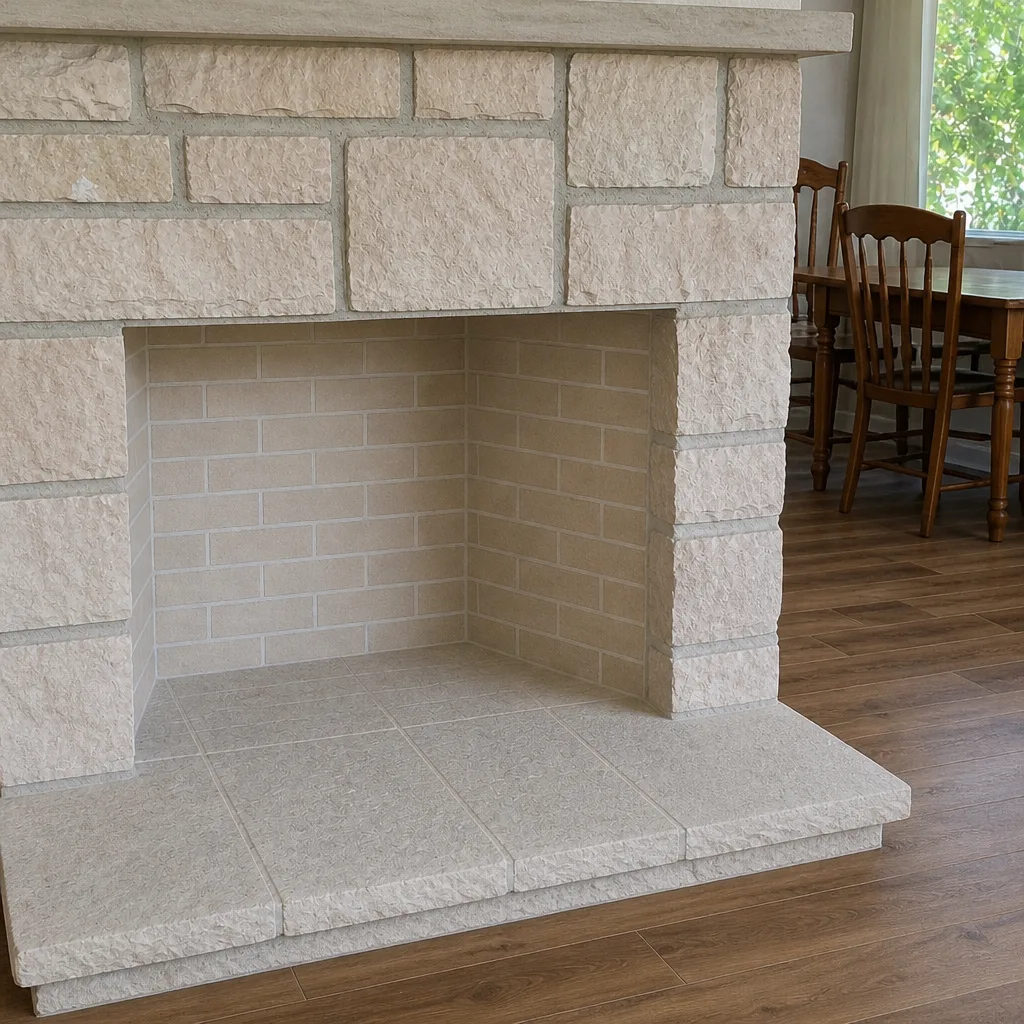
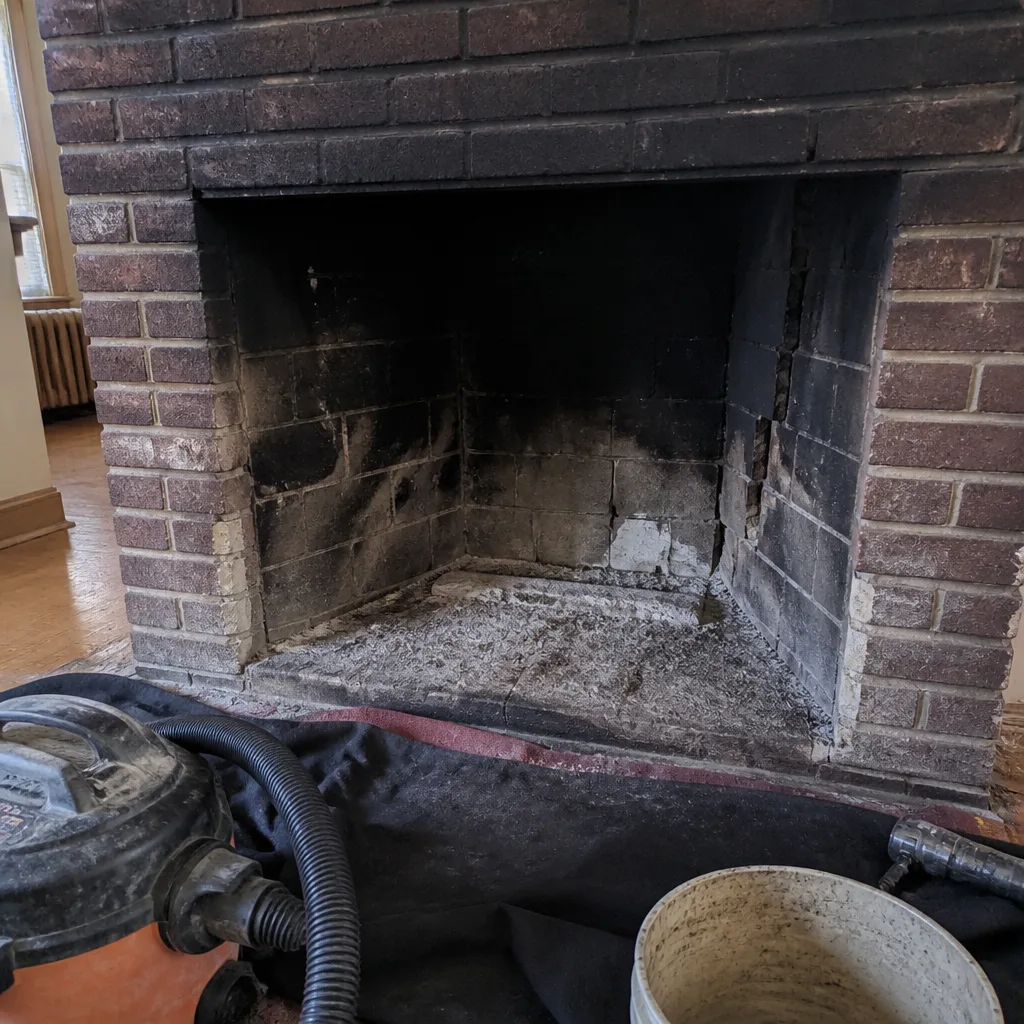
See the difference
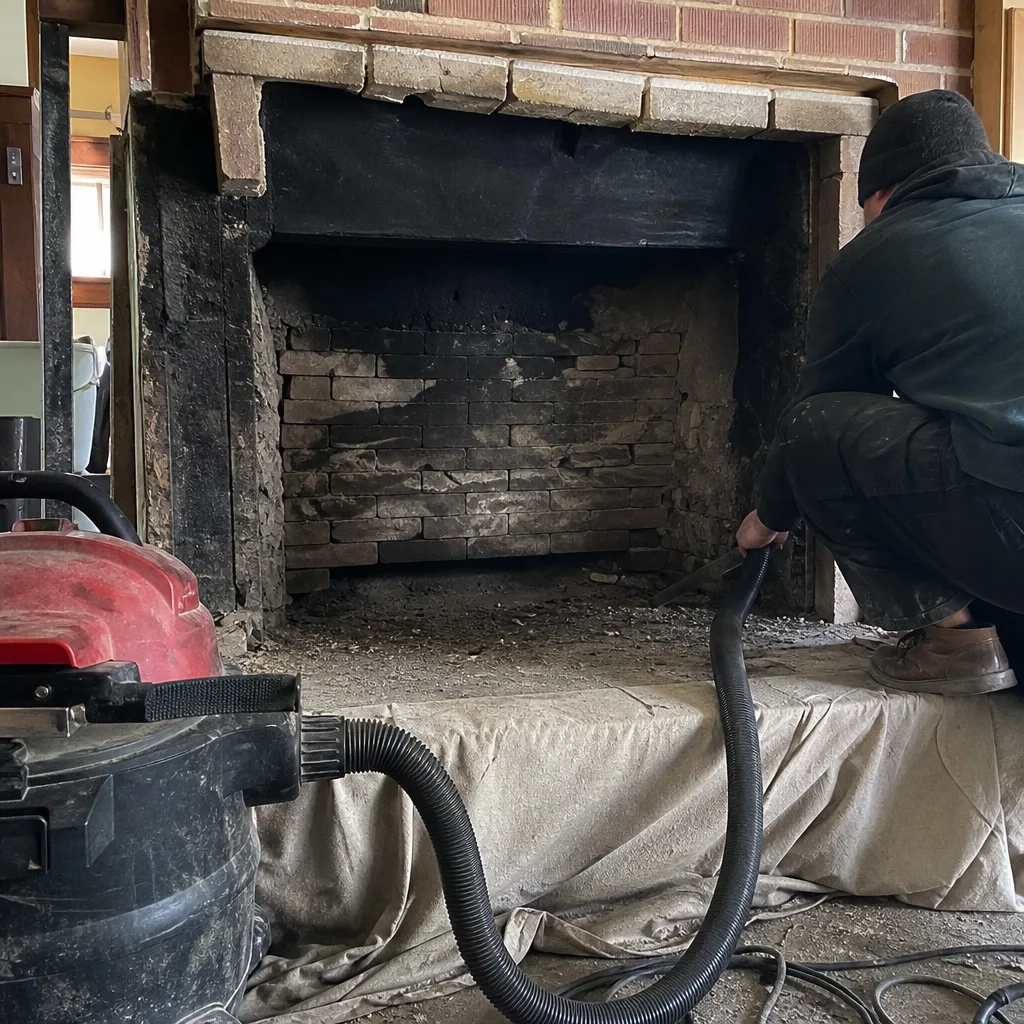 Before
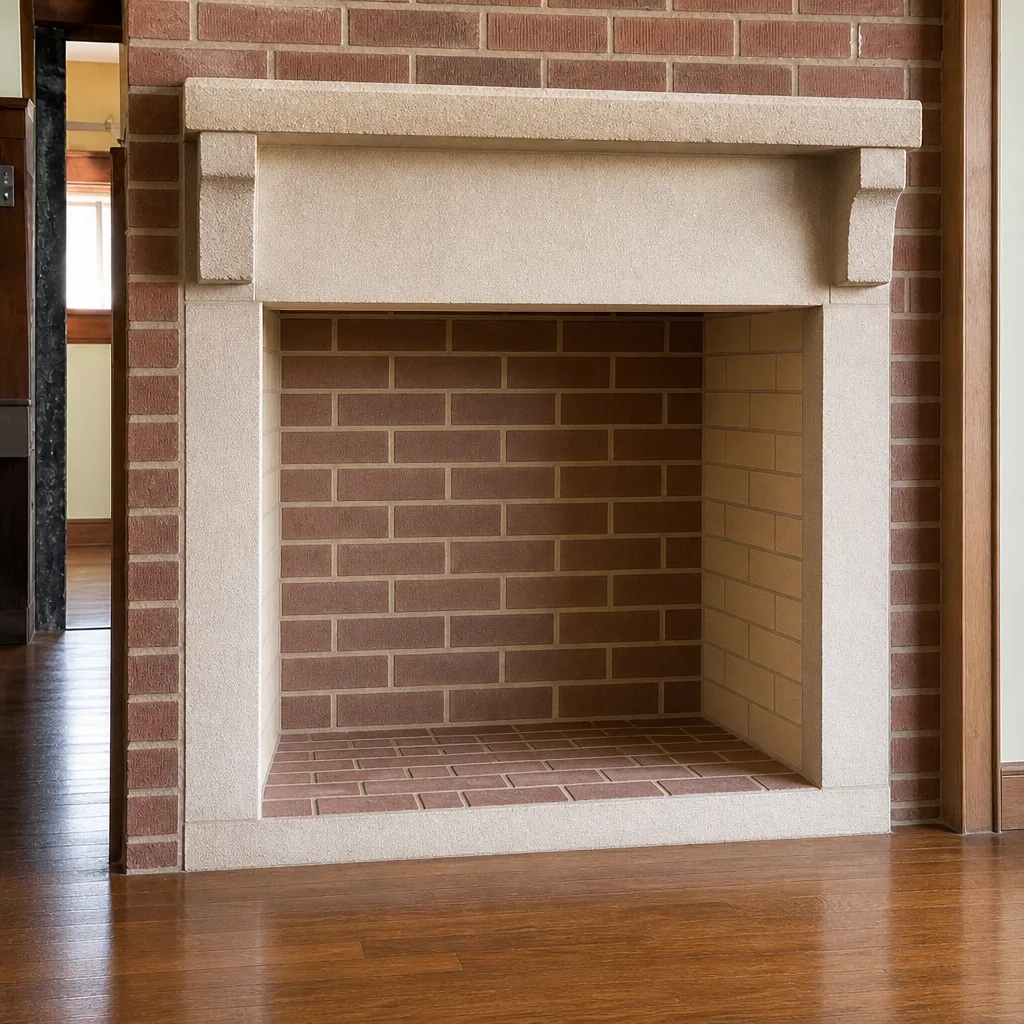 After
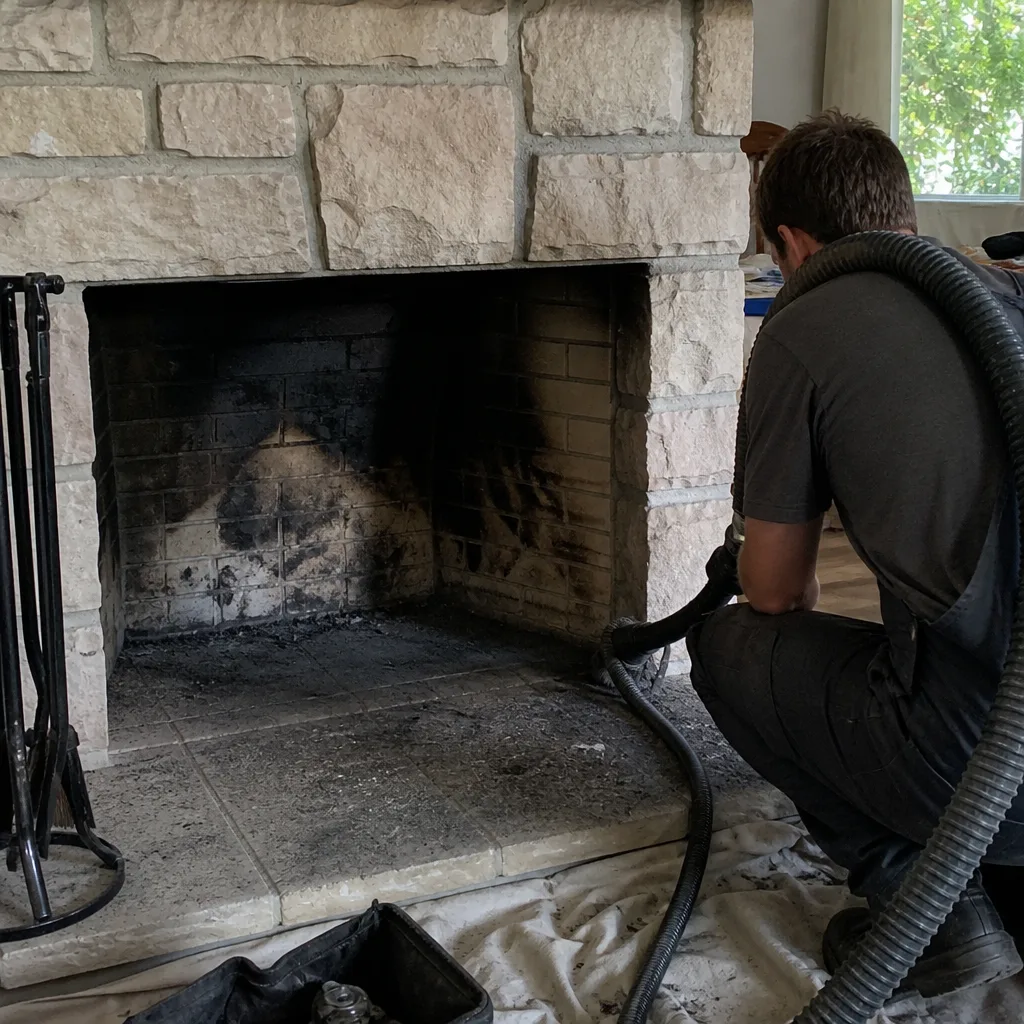 Before
 After
 Before
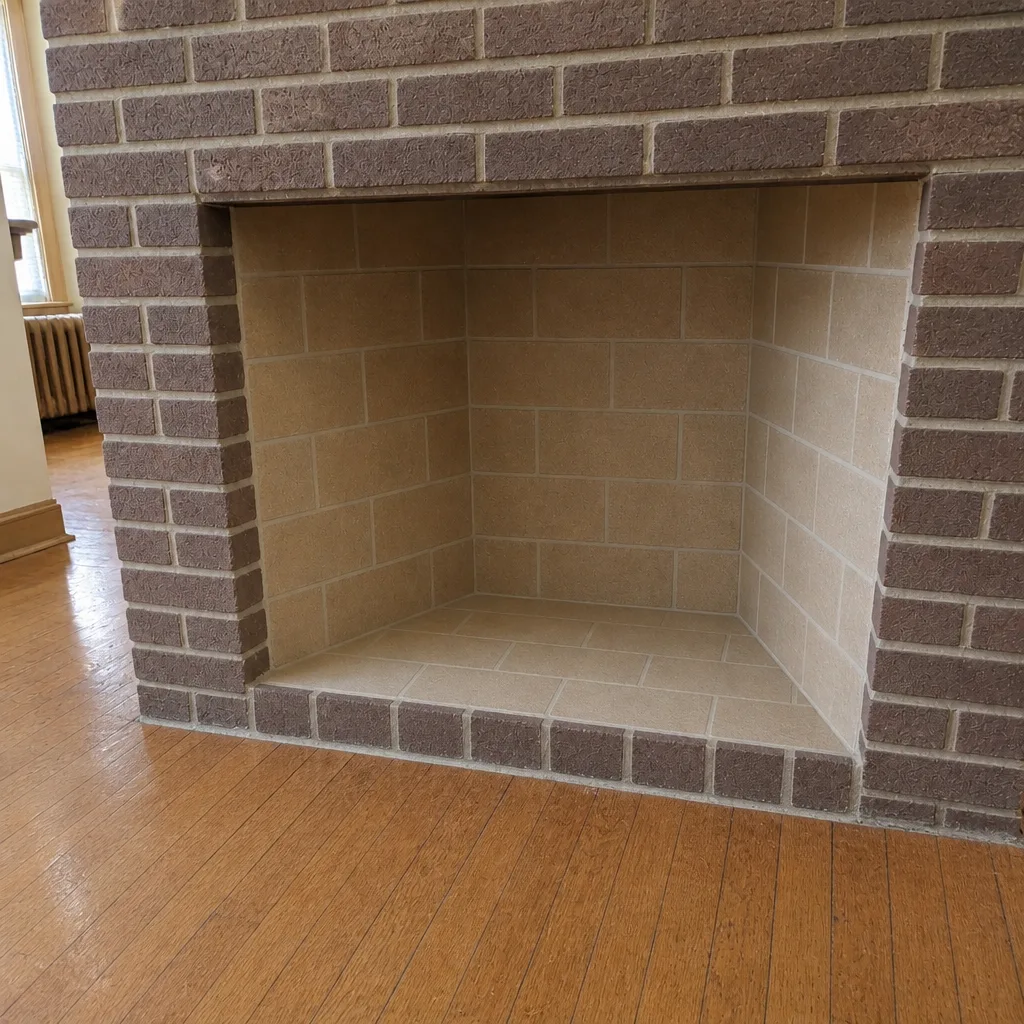 After
When to Call a Professional
Call a professional when any of the winter use indicators change: smoke rolling back into the room, a persistent new odor, or a draft that no longer pulls. Call when you see new water staining, crumbling mortar, or a spalled brick face after spring thaw. Call if you hear scratching from the flue or find droppings on the hearth, and never open the damper to check yourself. And call when the fall prep sequence is due, before the October crunch. A camera inspection with a written report is worth scheduling even when nothing seems wrong, because it’s the record you’ll want later. Tundra Chimney Sweep offers free estimates in St. Paul. Call (866) 942-6061. We answer 24/7. Fast dispatch from 7am to 7pm, Sunday through Friday.
Frequently Asked Questions
A chimney should be swept at least once per heating season, and more often if you burn heavily or notice creosote buildup. In St. Paul’s climate, the practical approach is one sweep as part of the fall prep sequence, plus a late-spring inspection to catch freeze-thaw damage the winter revealed. Call (866) 942-6061 for an exact quote – estimates are free.
Late spring is the best window because freeze-thaw stress has already revealed new cracks, and the humid season hasn’t yet pushed sustained moisture into the flue. That means an inspection in May or June sees the true condition of the liner without the noise of summer dampness or a fresh layer of fall soot. Call (866) 942-6061 to schedule a camera inspection.
You can check for the signs safely, but you should not open the damper to investigate. Listen for scratching at dusk and dawn, watch for droppings or debris on the hearth, and look for nesting material visible from the firebox. If you suspect occupation, call a professional to clear the flue. A frightened animal in a confined flue can get into the living space, and some carry disease. Call (866) 942-6061 for an inspection.
The correct order is: inspect the cap and crown first, then check the damper and firebox, then clean the flue, and finally start the appliance and test draft. The sequence protects each step. If you clean before checking the cap, water gets back in; if you light the first fire before a draft test, you discover a problem the hard way. Call (866) 942-6061 to schedule the whole sequence before the October rush.
Smoke rolling back into the room is the clearest warning that draft has been compromised, and you should stop using the fireplace and get it looked at. A partially blocked flue, a shifted cap, or a new crack in the flue can all cause it, and St. Paul’s deep-freeze contraction can open a joint that was fine in November. Call (866) 942-6061. We answer 24/7. Fast dispatch from 7am to 7pm, Sunday through Friday.
A written inspection report documents your system’s condition and is usable for real estate transactions and insurance requirements. It also gives you a record to compare against future visits, so you can see whether the system is stable or changing. We support standard inspection documentation on every visit. Call (866) 942-6061 to book an inspection.
The Bottom Line
St. Paul chimney care works best when you plan around moisture events, not season names. Late spring is the optimal window for a liner inspection, after freeze-thaw has revealed new cracks and before humid-season moisture sets in. Summer is for nesting and humidity checks. Fall prep has an order, and getting it right matters. And winter gives you indicators, like a shift in draft or a new odor, that tell you something changed before the annual visit. Treat the sweep, the repair, and the inspection as one system. Book the right check at the right time and the October scramble stops being a problem.
If you’re ready to put this calendar to work for your home, Tundra Chimney Sweep offers free estimates in St. Paul. Call (866) 942-6061. We answer 24/7. Fast dispatch from 7am to 7pm, Sunday through Friday. Our technicians have up to 11 years of experience, and we specify every repair for cold-weather performance, built to last the season.
Written by the team at Tundra Chimney Sweep.