
 Gas fireplace service
 Sweep & inspection
 Caps & crowns
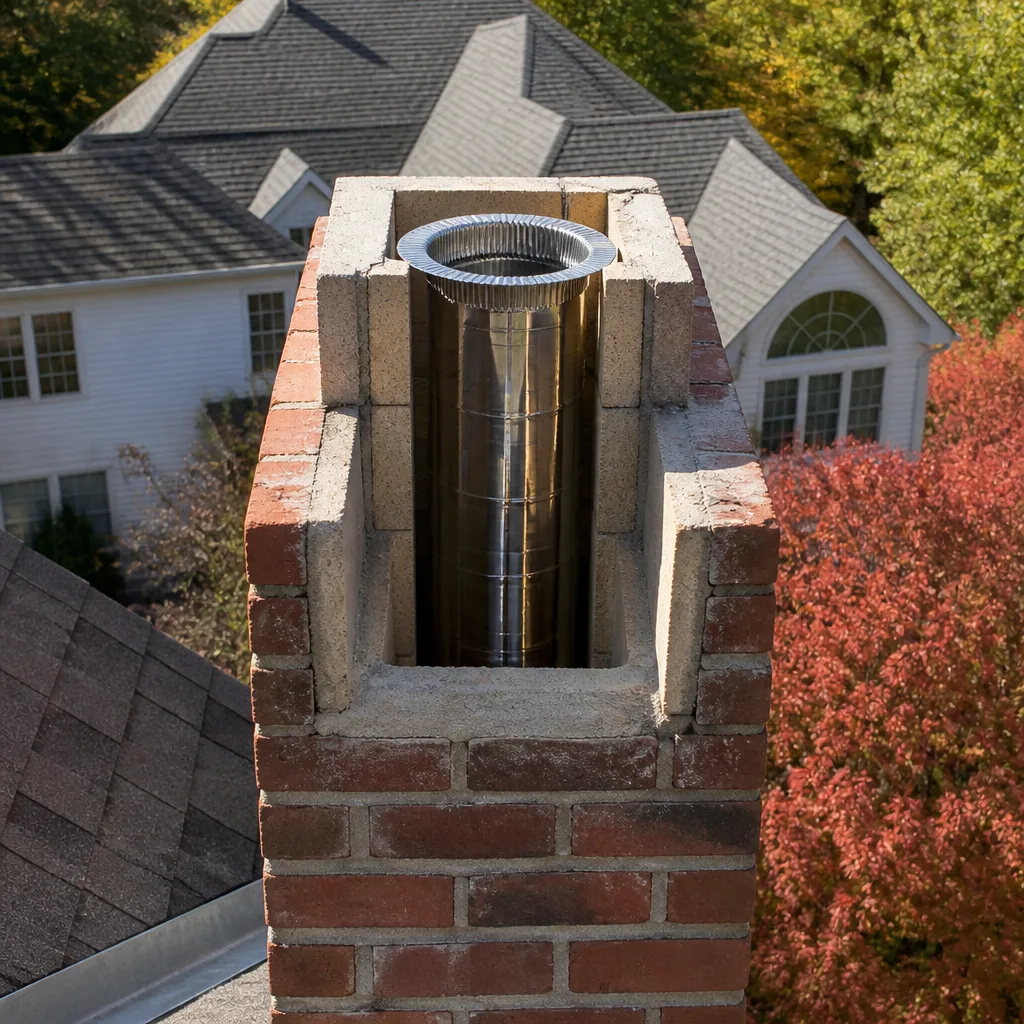 Flue relining
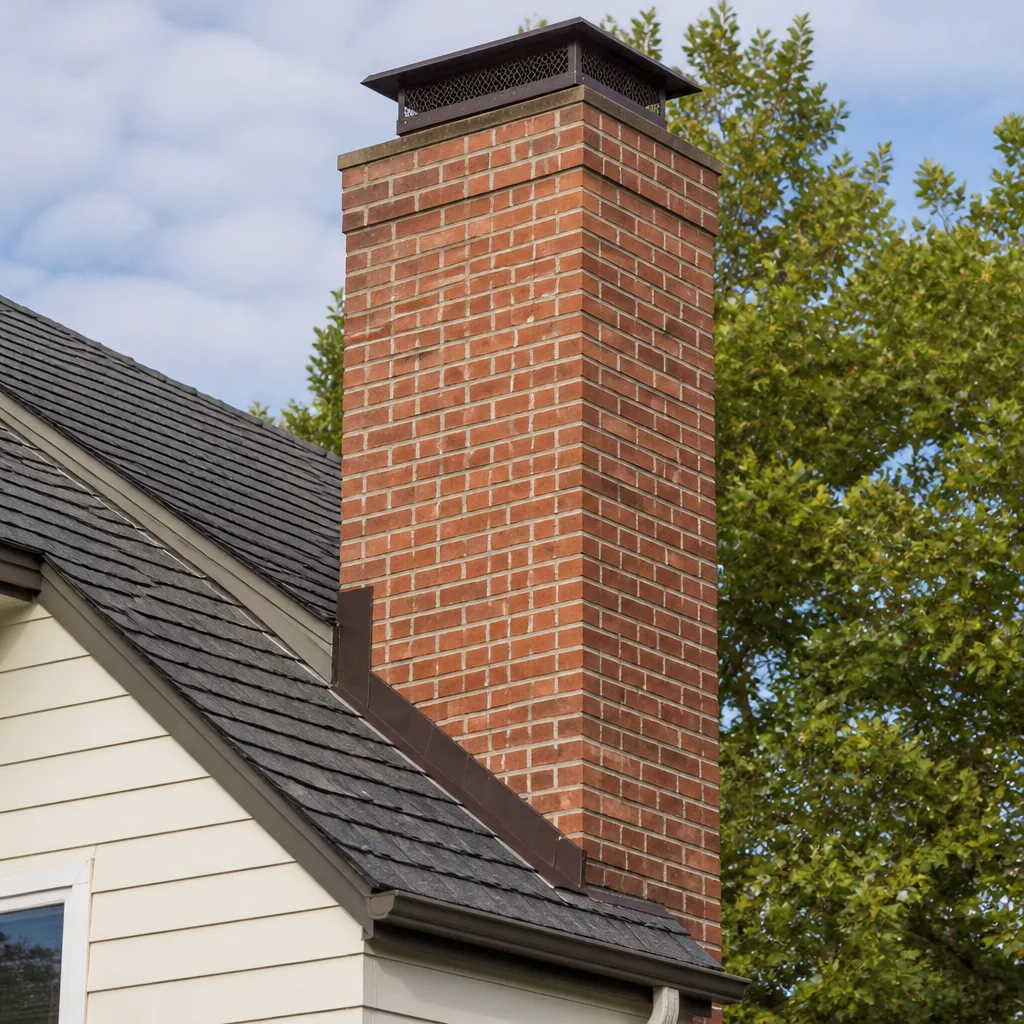 Masonry repair
Level 1 sweep and inspection to the NFPA 211 annual standard - flue, crown, cap, and flashing checked and photographed
Chimney sweep logs do not sweep chimneys. They loosen some creosote - which then falls where a brush and vacuum still have to collect it.
Why St. Paul Homeowners Choose DuraFlex Chimney Cleaning
We provide independent DuraFlex chimney cleaning in St. Paul for homeowners whose flues are lined with a flexible stainless steel DuraFlex liner. What sets our DuraFlex work apart is that we service the liner as a specific system: we look at corrugation ridges where creosote hides, twist-lock joints that move with the freeze-thaw cycle, and the bottom of the flue where condensate pools. We’re an independent DuraFlex service provider, not authorized, sponsored, or endorsed by DuraFlex, so our only obligation is to the person holding the flue.
DuraFlex makes a flexible stainless steel chimney liner, and in a city whose housing stock skews old and masonry-heavy, that kind of liner is often the reason an original clay tile chimney is still in service at all. Much of St. Paul is 1890s – 1930s brick and stucco housing: two-story four-squares, Victorian-era homes on the bluffs, and dense duplexes. The flues in those walls have often been relined with a DuraFlex system to keep a fireplace, furnace, or old water heater venting safely.
Our technicians have up to 11 years of experience, and our sweep, repair, and inspection work happens under one company, so a St. Paul customer never has to coordinate a separate inspector after a DuraFlex repair is finished. We also work with HeatShield resurfacing and Gelco caps for the parts of the job the liner itself doesn’t cover.
Key Takeaways:
- Independent DuraFlex service in St. Paul: sweep, inspection, joint repair, and reline evaluations.
- We know the corrugation, joint, and condensate failure modes specific to flexible stainless liners.
- Camera inspection and a written report come standard, so you see what we see.
- Call (866) 942-6061 for a free estimate. We answer 24/7. Fast dispatch from 7am to 7pm.
Why Trust Tundra Chimney Sweep for Your DuraFlex Chimney Cleaning?
Because a flexible stainless liner punishes guesswork. A standard brush run down a smooth clay tile flue behaves nothing like a brush pulled through the corrugations of a DuraFlex liner, and a technician who doesn’t know the difference leaves a glaze behind that the homeowner can’t see and the next heating season will find.
We work on DuraFlex stainless liners and prefab chimney systems regularly in St. Paul, so the inspection checklist matches the product. We check the liner wall for pinholes near the ash pit end. We look at how the top plate sits against the crown, because the freeze-thaw cycle between a St. Paul January and a humid July works on that joint. We check that the cap screen is breathable, since a packed screen turns a functioning flue into a smoking one.
Where parts are needed, we use DuraFlex factory components for the critical joints and terminations, because the twist-lock geometry is specific and a close-enough fitting is not close enough on a flue. For wear items like damper hardware and gaskets, quality aftermarket parts are fine, and we’ll say so.
Everything we do on a DuraFlex liner is specified for cold-weather performance. The work is checked as if a five-month heating season and sub-zero snaps are the normal condition, because in St. Paul they are. Our approach is warranty-safe: we service the system as a system, so nothing we recommend puts a homeowner crossways with a manufacturer. We’re an independent shop. We’re not factory-trained or certified by DuraFlex, and we don’t pretend otherwise.
Styles & brands we work with
- Sweep & inspection
- Caps & crowns
- Flue relining
- Masonry repair
- Gas fireplace service
Common DuraFlex Chimney Cleaning Problems We Fix in St. Paul
Flexible liners fail in their own particular ways. Here’s what we actually find on DuraFlex systems around St. Paul, and why it happens.
- Soot-glazed creosote in the corrugations. The internal ridges of a flexible stainless liner give creosote a place to cling, and a glazed layer builds there faster than it would on smooth tile. A standard brush skips the deepest valleys, so the sweep pass has to be sized and worked to the liner, not to the flue it replaced. This matters more in St. Paul than in milder climates, because furnaces and wood stoves here run five to six months and pile on load quickly.
- Failed or separating twist-lock joints. The joints at the top of the liner take the brunt of winter wind loading and the movement that comes from repeated freeze-thaw. A pop-riveted or twist-lock section can work loose over the years, and when it does, the flue is venting into a gap instead of out the top. A camera run is the only honest way to confirm it.
- Condensate pinholes at the bottom 18 – 24 inches. High-efficiency gas appliances and wood-burning units both produce condensate, and it collects at the base of the liner against the stainless wall. Left long enough, that pool pits the metal. By the time it shows as flue debris during a sweep, the bottom section is usually due for replacement.
- Crushed or ovalized sections. An oversized brush or an installation that didn’t keep the liner round leaves the flue choked. A narrowed section cuts draft, traps debris, and makes every subsequent sweep harder. We see this on older installations where the liner was pulled too tight around a bend in a masonry flue.
- Cap and top-plate problems feeding back into the liner. A cap screen packed with creosote and leaf debris, or a top plate that’s pulled away from the crown, sends water down the outside of the liner and lets animals in. It reads as a draft problem from the fireplace, and it’s one of the most common reasons a DuraFlex-lined chimney starts smoking at startup.
DuraFlex Parts & Our Repair-vs-Replace Approach
Here’s how we think about it. DuraFlex factory components – twist-lock fittings, top plates, and caps – go on critical joints and terminations, because the geometry is specific and the joint has to hold through winter. Quality aftermarket components are reasonable for wear items like damper hardware and gaskets. We don’t stock or carry OEM or genuine DuraFlex parts, and we won’t tell you we do; we source what the job needs.
The repair-or-replace call comes down to the liner’s condition, not its age. A single loose joint with a sound liner behind it is a repair, and we’ll re-secure or replace the joint with the correct DuraFlex fitting. A liner that’s crushed in a long run, has joints failing at multiple points, or is perforated at the bottom is a different conversation. Patching that kind of liner is a patch-and-pray job, and honest relining usually costs less in the long run than chasing leaks season after season.
Nothing is recommended without camera evidence. We show you the footage and the written findings, and if work can safely wait a season, we’ll say so.
Call (866) 942-6061 for a free estimate on your DuraFlex system. We answer 24/7. Fast dispatch from 7am to 7pm.
Our DuraFlex Service Process – Step by Step
- 1
Diagnosis. We run a camera through the DuraFlex liner from the top and the appliance end. We map the corrugations for glazed creosote, check the twist-lock joints, inspect the bottom 18 – 24 inches for condensate pitting, and look at the top plate and cap. You see the footage.
- 2
Sweep or repair. The sweep is sized to the liner so the brush works the ridges rather than skipping them. If the diagnosis found a separated joint or a damaged section, we re-secure or replace it with the correct DuraFlex fitting, and we re-top the flue with a proper cap sized to the liner.
- 3
Test. After the work, we re-run the camera and confirm the liner is clear and round, the joints are seated, and the flue is pulling. A draft check confirms the appliance is venting the way it should.
- 4
Documentation. The inspection report is written, with photos, and it’s usable for a real estate transaction or an insurance requirement. You get it in writing, not as a verbal summary. That report also protects your warranty position on the liner.
A typical DuraFlex-lined fireplace in St. Paul starts drawing poorly after several seasons. Smoke rolls out at startup, and a sweep rod meets resistance near the top. The usual cause is a separated twist-lock joint or a cap screen packed with creosote and leaf debris. A qualified local pro runs a camera, re-secures or replaces the joint with the correct DuraFlex fitting, and re-tops the flue with a proper cap sized to the liner. That’s the job, and it’s the same one we do whenever a St. Paul homeowner calls because the fireplace stopped behaving.
See the difference
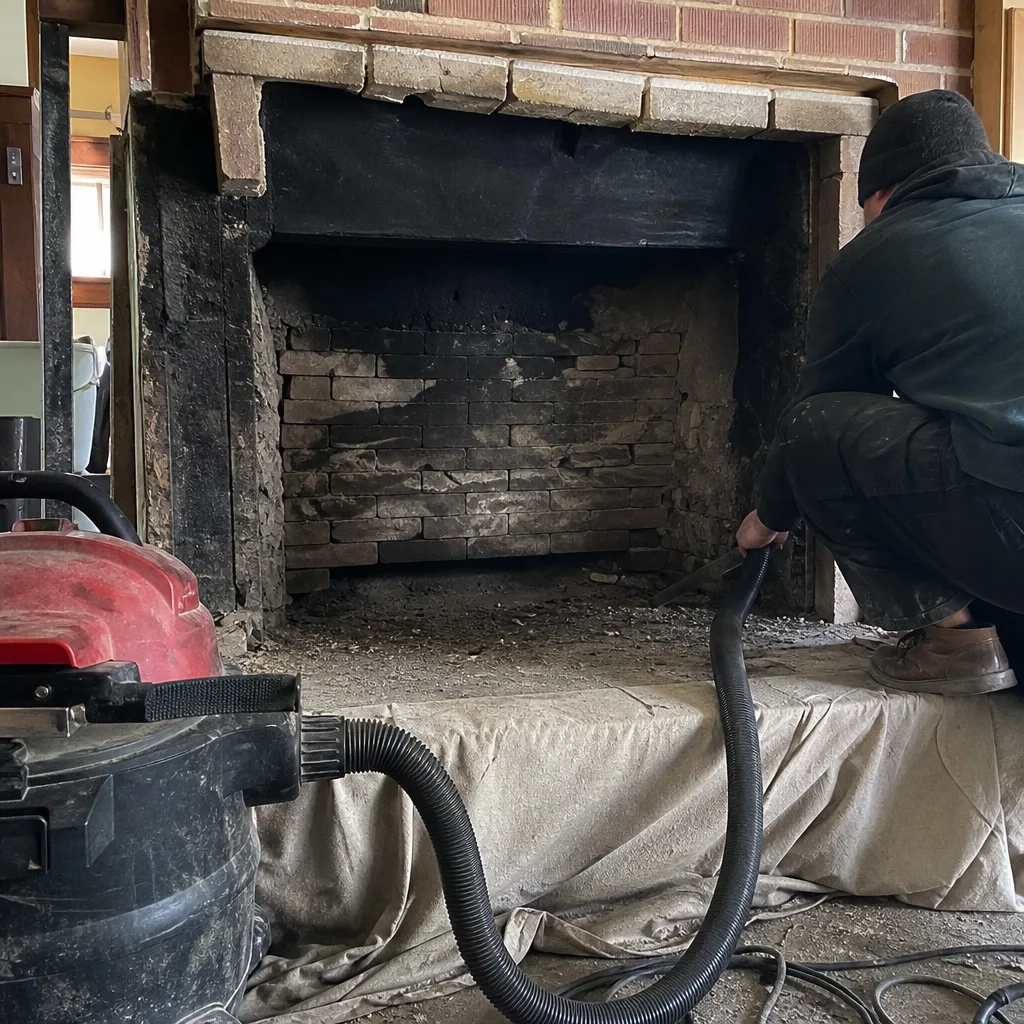 Before
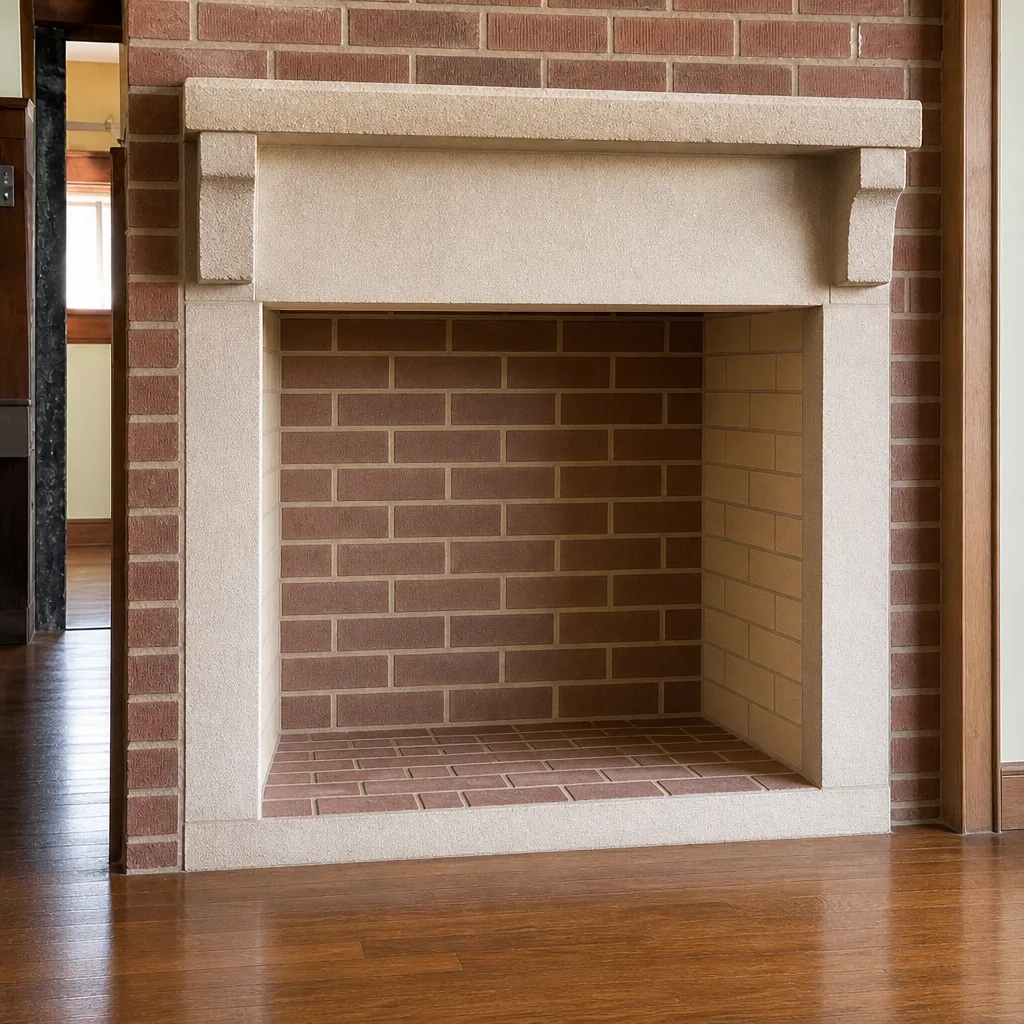 After
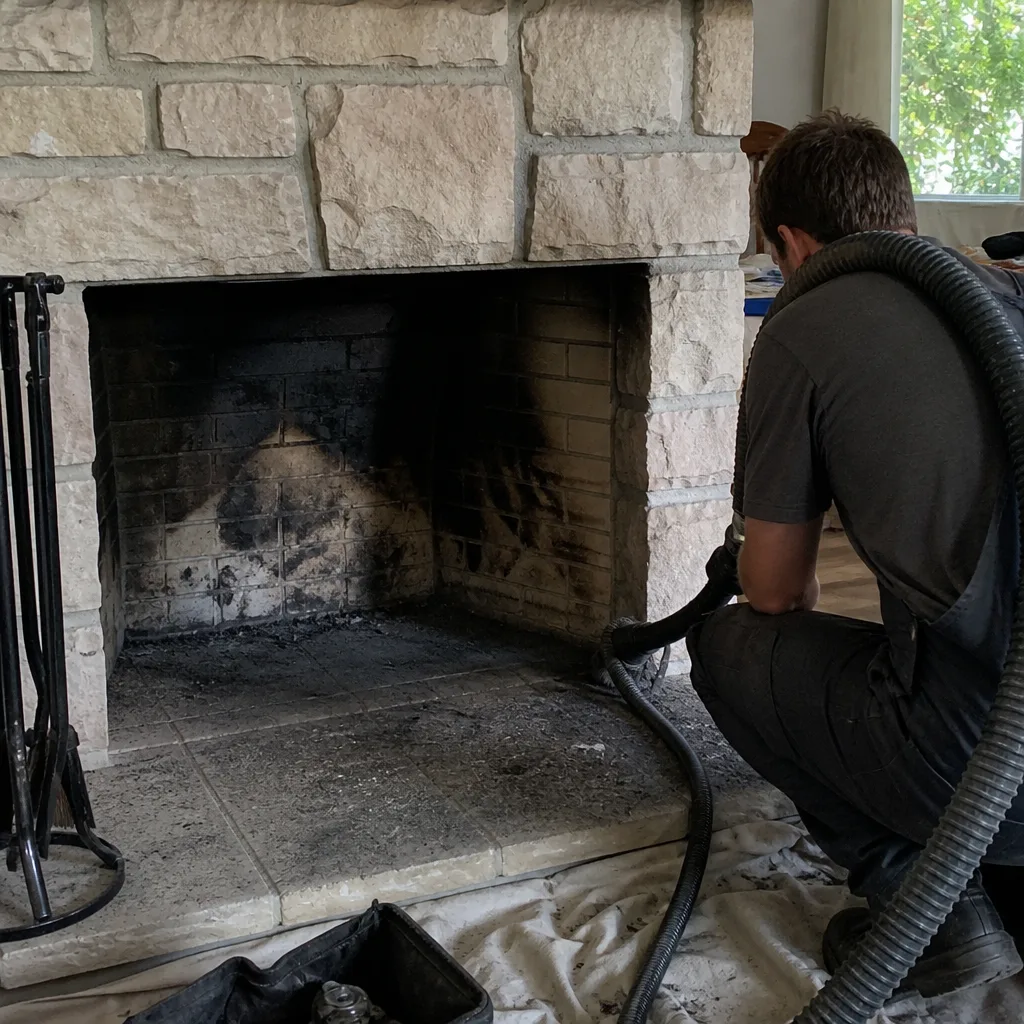 Before
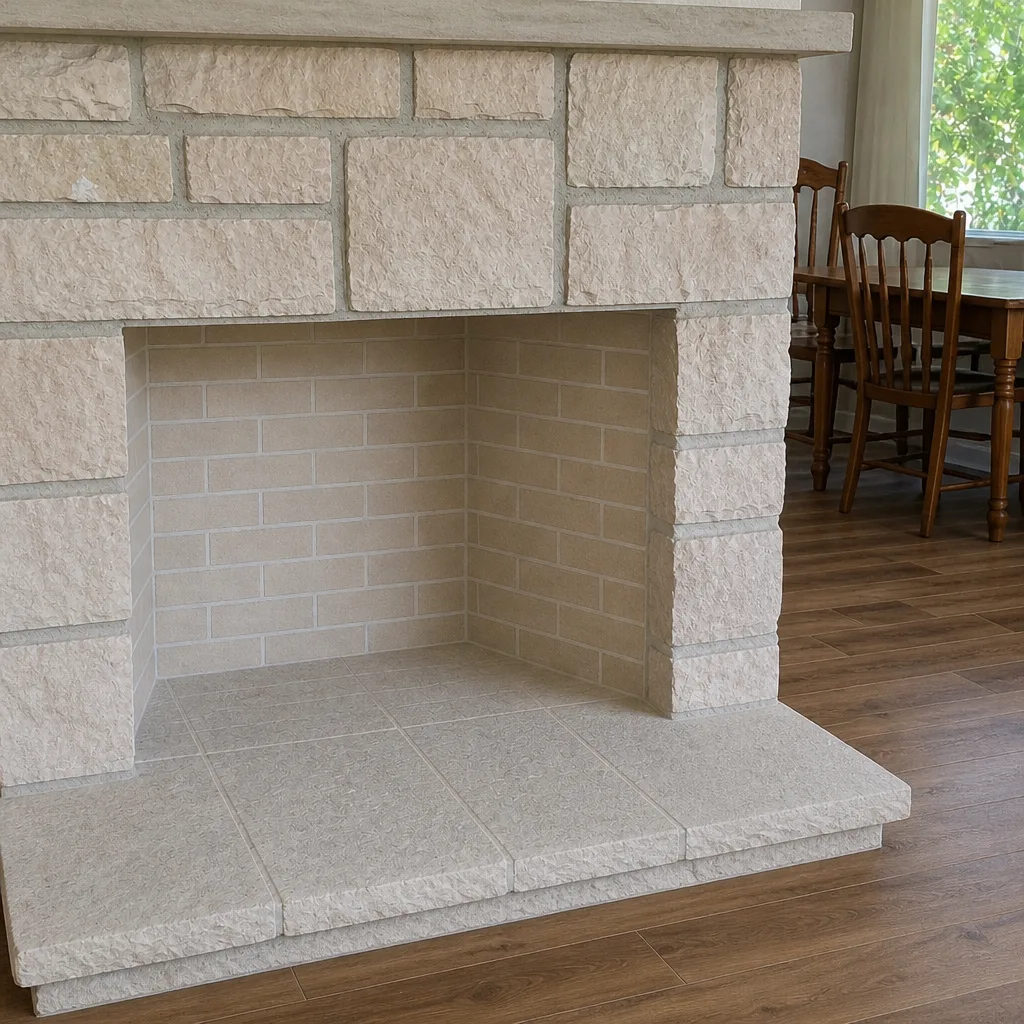 After
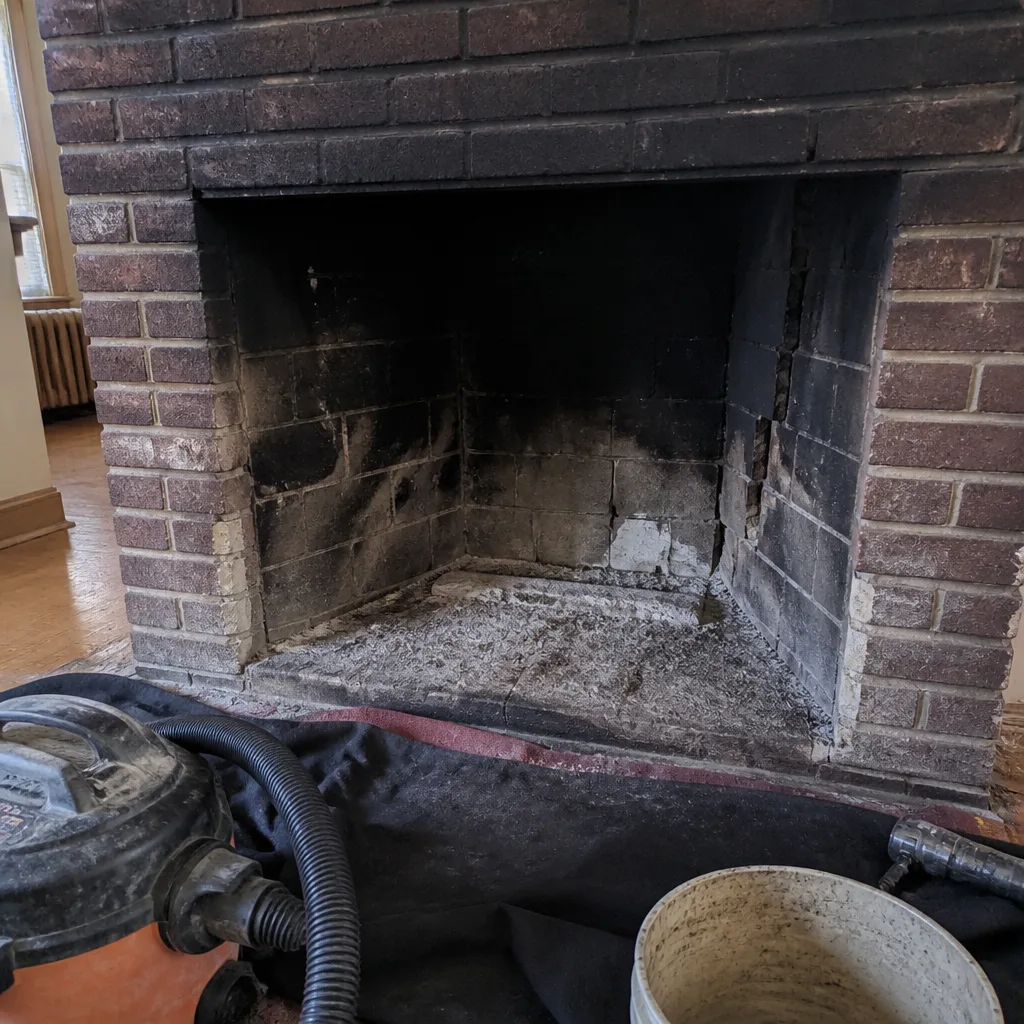 Before
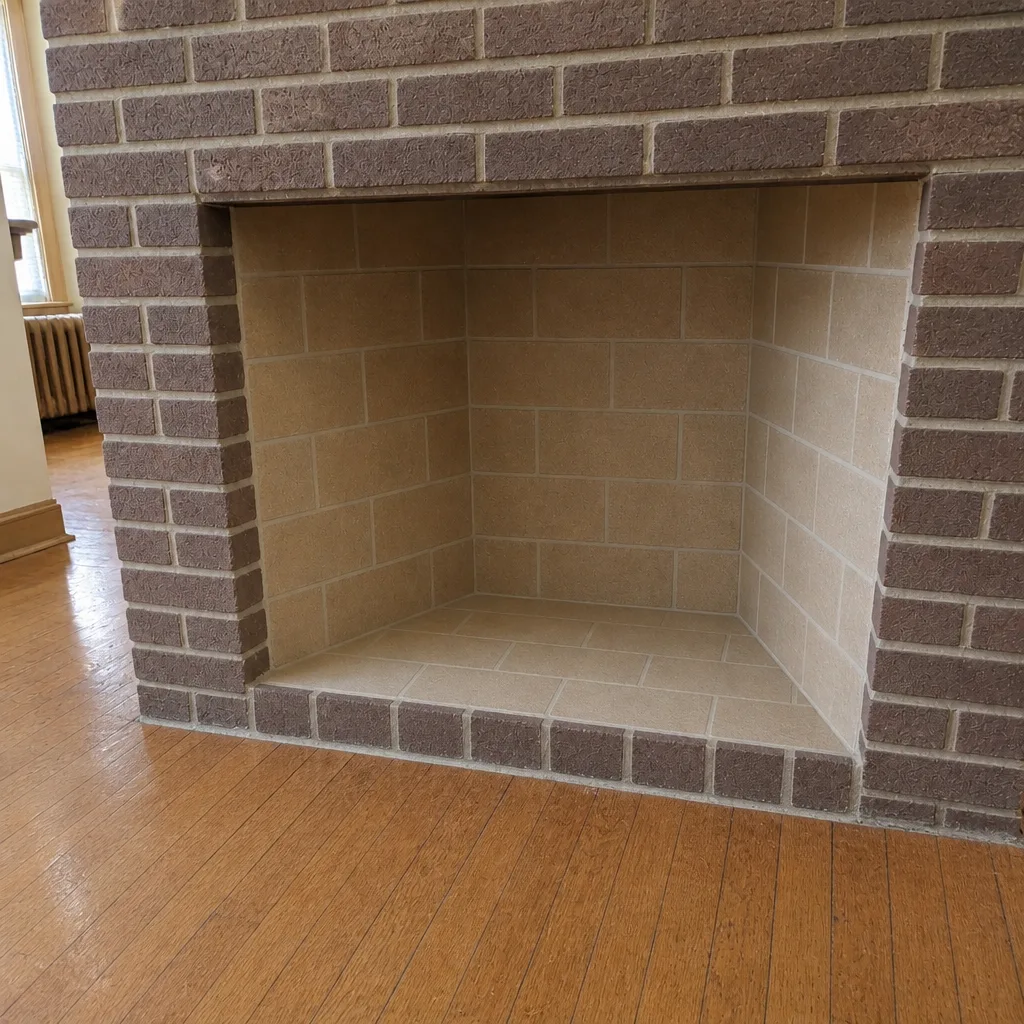 After
DuraFlex Products We Service & Install in St. Paul
We service and install DuraFlex stainless steel chimney liner kits for relining 6″ and 8″ round flues, and the DuraFlex Pro flexible flue liner – the double-wall insulated version, which is what a lot of St. Paul homeowners end up with when an oversized masonry flue needs to be brought down to the size an appliance actually wants. We install DuraFlex masonry fireplace reline kits when an original clay tile liner has spalled past the point of resurfacing, and we fit DuraFlex top plate and cap assemblies at the termination.
That last one earns its keep in this climate. A St. Paul winter loads the top plate with snow and ice, and a humid summer works on the same joint from the other direction. The termination is where most water intrusion starts.
We Also Service These Brands
DuraFlex is one line among several we work with, and that matters when the right answer for your flue isn’t a flexible liner at all. HeatShield lets us resurface a deteriorated clay tile liner without full demolition, which is often the more economical path on a sound masonry chimney. Gelco caps and flashings handle the termination. We specify each by what the flue actually needs.
FAQs – DuraFlex Chimney Cleaning Service in St. Paul
No. We’re an independent DuraFlex service provider, not authorized, sponsored, or endorsed by DuraFlex. We service DuraFlex liners and prefab chimney systems as an independent shop, using factory components where the joint geometry requires them and quality parts elsewhere.
Annually is the baseline, and in St. Paul’s heating climate that annual sweep is not optional. Furnaces and wood stoves here run five to six months, which builds creosote and soot load faster than in milder places, and the corrugations of a flexible liner trap glaze that a smooth flue sheds. A wood-burning insert run hard through a Minnesota winter is the case that most often wants a spring look in addition to the fall sweep. If you burn regularly, book the sweep before the first hard freeze, not after. Call (866) 942-6061 for an exact quote; estimates are free.
Usually, yes. A separated twist-lock joint with a sound liner behind it can be re-secured or replaced with the correct DuraFlex fitting, and the flue re-topped with a proper cap. What decides it is the camera footage: if the liner is sound around the joint, we repair. If joints are failing at multiple points or the liner is crushed, we’ll tell you honestly that relining beats patching.
Because the screen is the smallest opening in the system and it catches what the flue sends up. Creosote flakes and leaf debris pack it, and once it’s blocked the fireplace smokes at startup because the flue can’t breathe. Sometimes an undersized screen is the real issue; sometimes it’s a symptom of a flue that’s overdue for a sweep. Either way, a cap sized to the liner solves it. Call (866) 942-6061 for an exact quote; estimates are free.
Yes, and one is generally needed again after the reline is finished so you have a record of the new system. A Level 2 inspection goes beyond what a sweep covers: it documents the liner wall, the joints, the top plate, and the appliance connection with camera footage and photos. We include that documentation in writing, which is what a real estate transaction or an insurance requirement will actually want to see.
It does, because a gas insert liner produces condensate rather than creosote, and that condensate pools at the bottom 18 – 24 inches of the liner where it pits the stainless. A gas liner still needs an annual check, just looking for different things: pinholes and corrosion rather than glaze. Wood liners get the corrugation sweep; gas liners get the wall inspection. Call (866) 942-6061 for an exact quote; estimates are free.
Correctly done service doesn’t. What puts a warranty position at risk is the wrong part in a critical joint, a crushed liner from an oversized brush, or work that isn’t documented. We use DuraFlex factory components at the joints and terminations, size the sweep to the liner, and hand you a written inspection report with photos, which is exactly what you’d want on hand if a warranty question ever comes up.
A standard DuraFlex sweep in St. Paul typically runs in the low-to-mid hundreds of dollars, with the exact price set by the written estimate after we see the flue. A Level 2 inspection with camera documentation runs higher, and joint repairs or cap replacement are quoted separately once we know what the liner needs. Nothing is recommended that the camera doesn’t show, and if work can safely wait a season, we’ll tell you that too. Call (866) 942-6061 for an exact quote; estimates are free.
Book Your DuraFlex Service in St. Paul, MN
If your St. Paul home is lined with DuraFlex, the sweep or repair should match the system. Call (866) 942-6061 to book. The estimate is free, the finding is backed by camera footage you can see, and the price is set per job by the written estimate. We answer 24/7. Fast dispatch from 7am to 7pm, Sunday through Friday.
Written by the team at Tundra Chimney Sweep.