
Last updated November 16, 2026
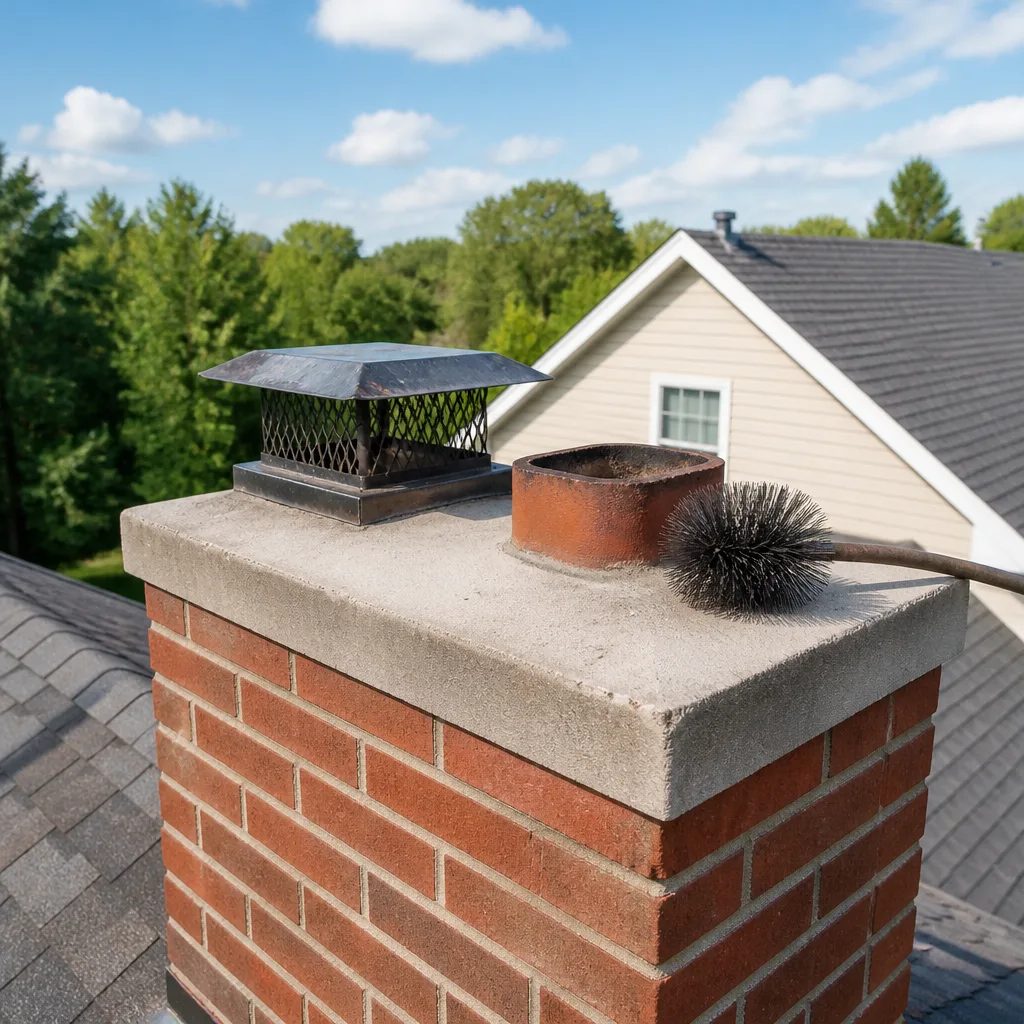 Sweep & inspection
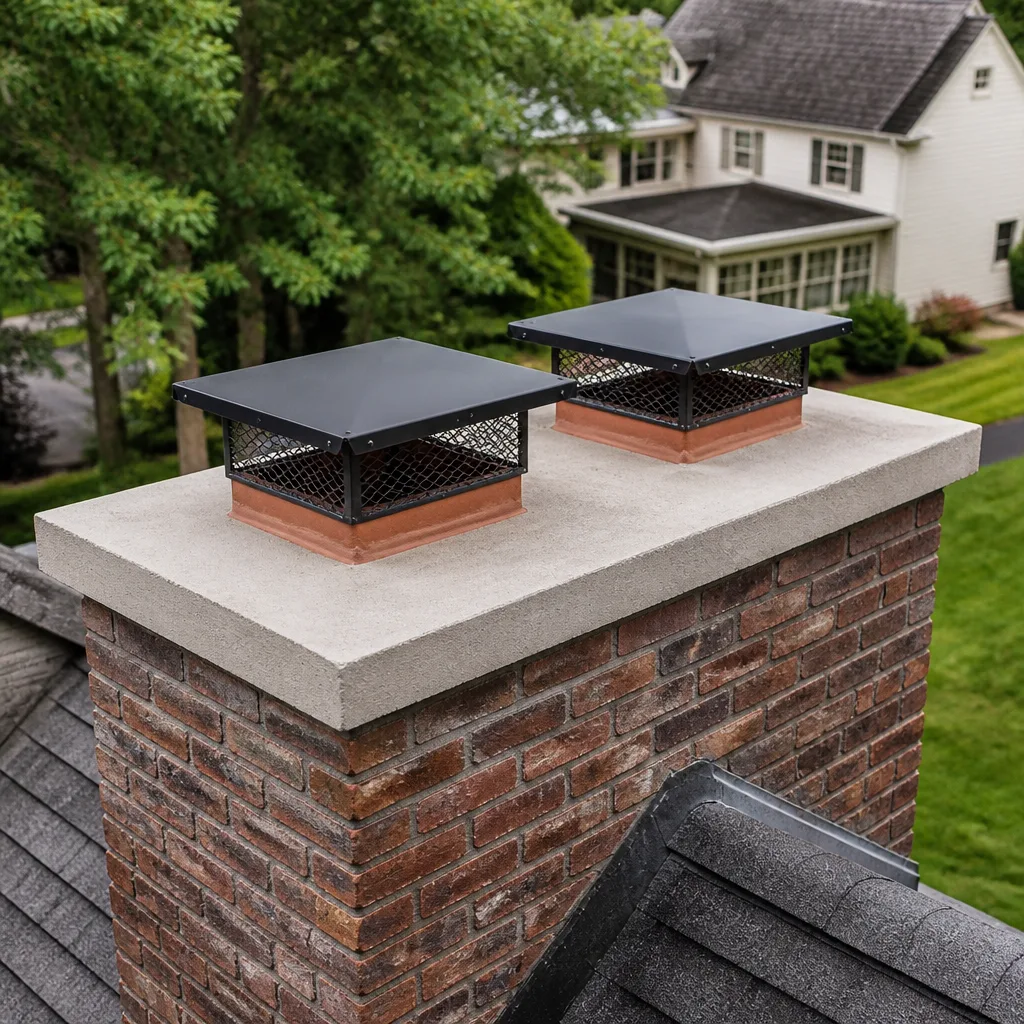 Caps & crowns
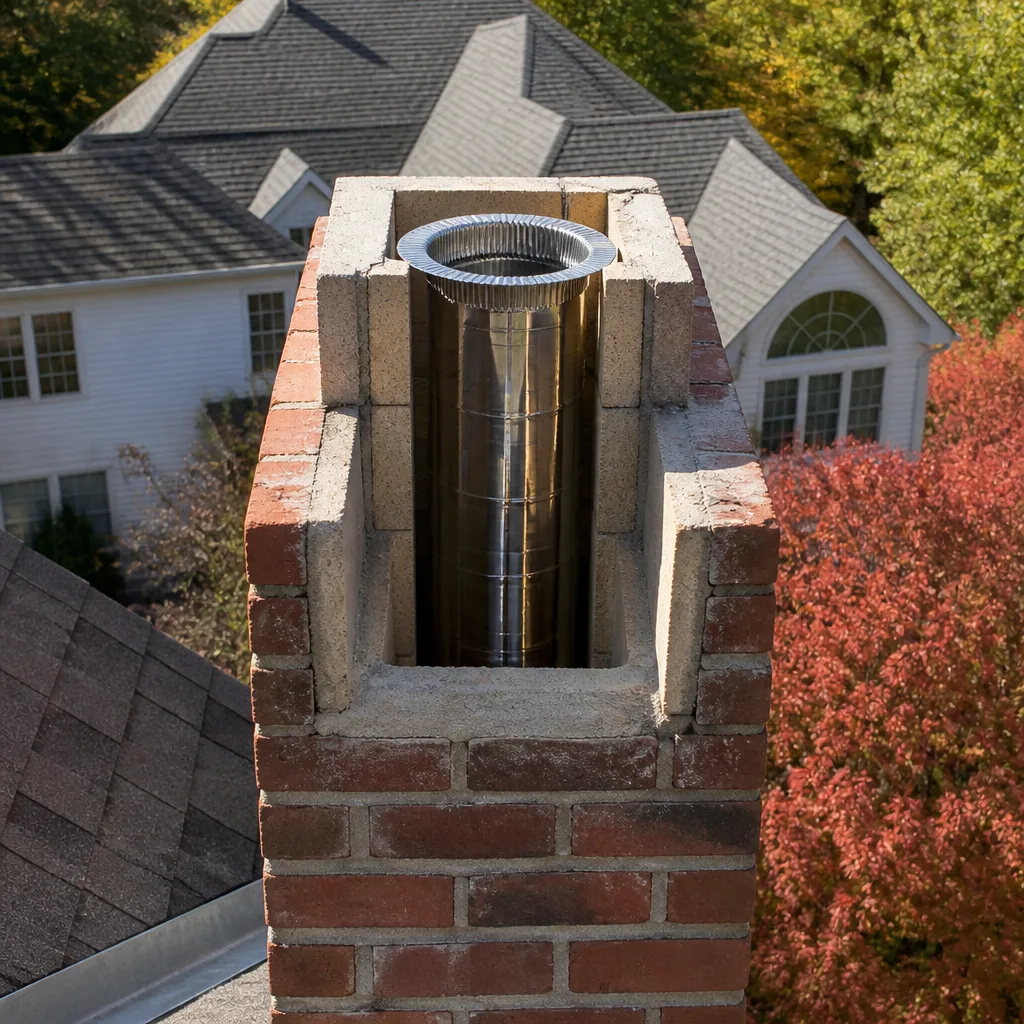 Flue relining
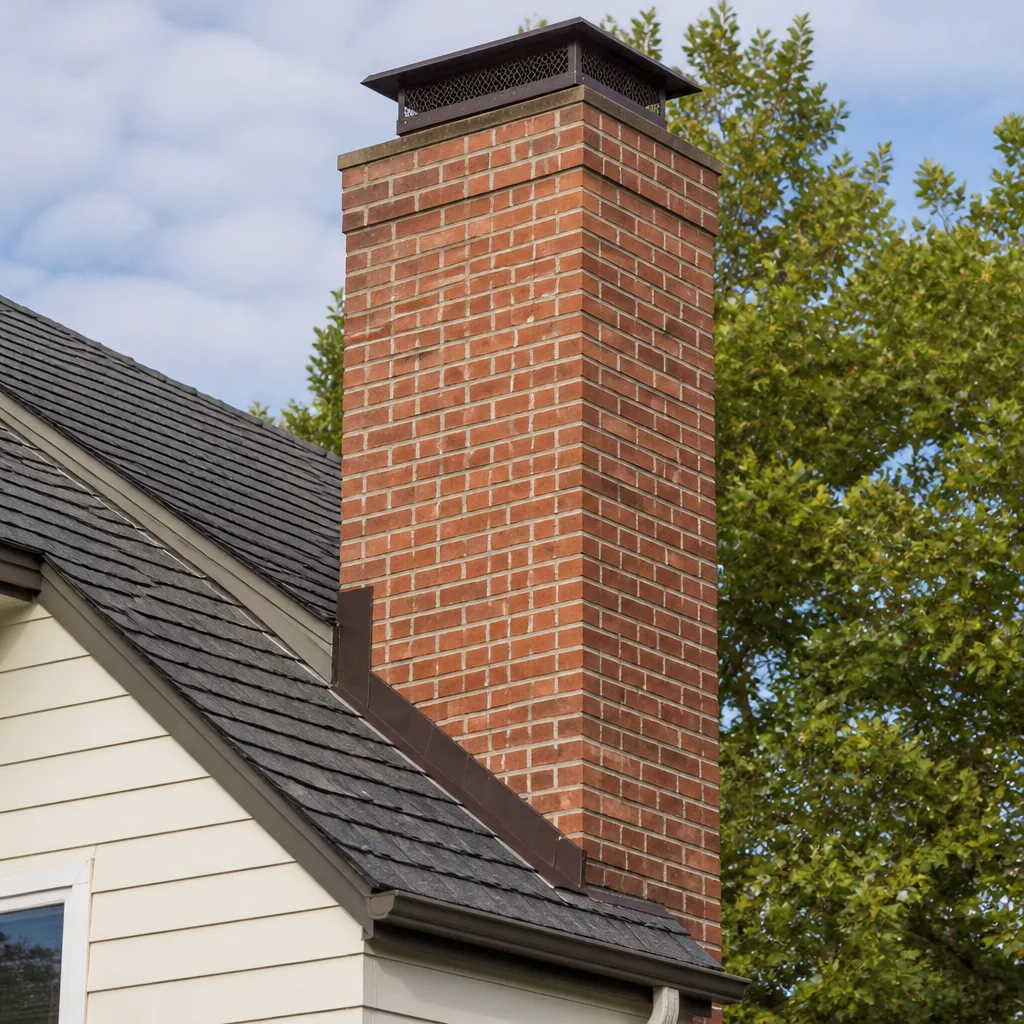 Masonry repair
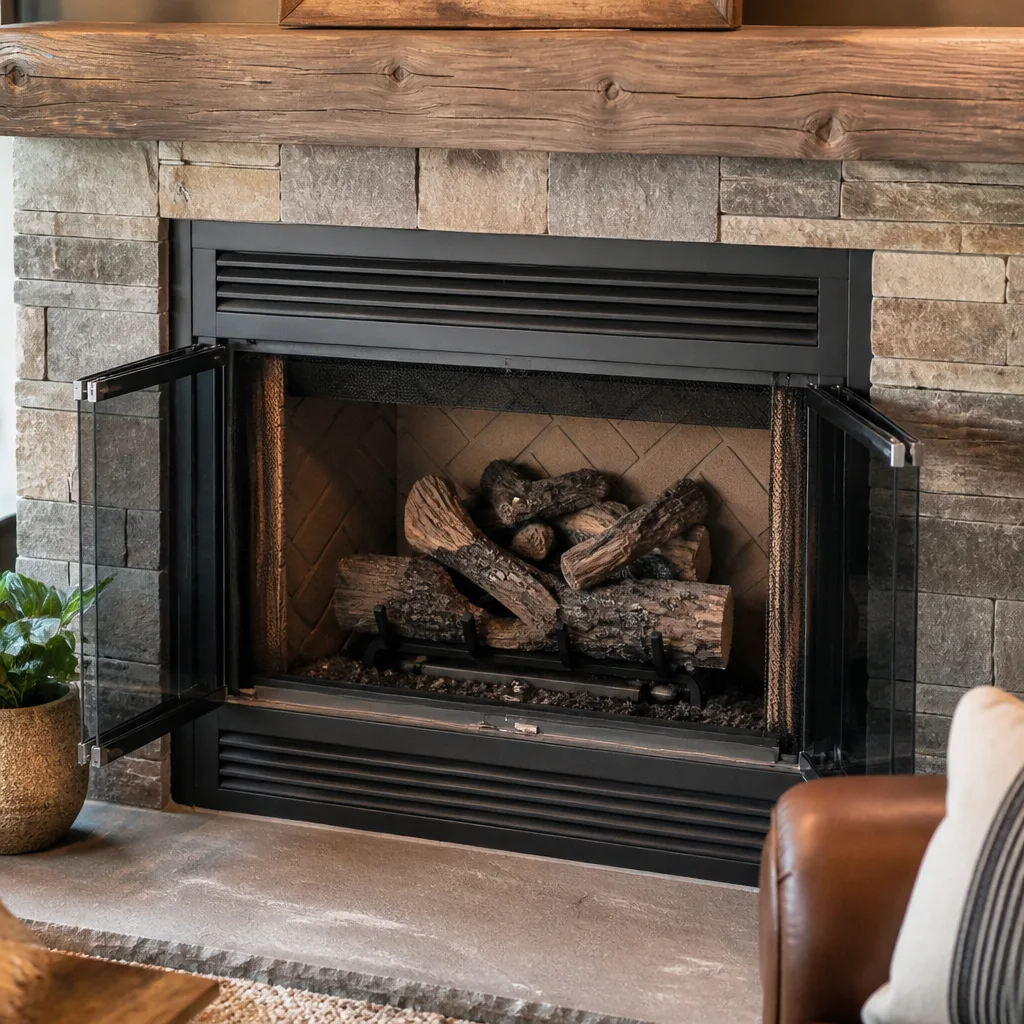 Gas fireplace service
Level 1 sweep and inspection to the NFPA 211 annual standard - flue, crown, cap, and flashing checked and photographed
Chimney sweep logs do not sweep chimneys. They loosen some creosote - which then falls where a brush and vacuum still have to collect it.
How to Hire a Chimney Cleaning Contractor in St. Paul: A Step-by-Step Guide
Most homeowners hire a chimney sweep the way they hire a plumber: call whoever answers, ask the price, book it. That approach works fine for a clogged drain. On a chimney, it fails in a specific and expensive way. The technician who arrives has to correctly identify your flue’s liner material, your appliance’s fuel type, and the inspection level your situation calls for before touching anything. Get those three wrong, and a routine cleaning can crack a clay liner, score a stainless wall, or leave a gas appliance vented to a flue sized for wood. Fewer than half of the companies advertising chimney cleaning in the Twin Cities metro can produce CSIA certification on request. This guide shows you how to verify what matters before you book in St. Paul.
Quick Answer
To hire a chimney cleaning contractor in St. Paul, verify three things before you book: current CSIA certification for the technician who will actually do the work, insurance that specifically covers chimney fire damage, and a contractor who asks about your appliance fuel type before quoting a price. A legitimate sweep will ask about your appliance and liner before giving any number, and will tell you which level of inspection your situation requires. Anyone who quotes over the phone without those questions is guessing.
Styles & brands we work with
- Sweep & inspection
- Caps & crowns
- Flue relining
- Masonry repair
- Gas fireplace service
Table of Contents
- Why chimney cleaning is not a commodity service
- What CSIA, NFI, and NCSG credentials actually certify
- The questions to ask before you book
- Level I vs. Level II inspections: what your situation requires
- How to verify insurance coverage for chimney fire damage
- Red flags specific to the St. Paul market
- Why low bids are disproportionately risky on older St. Paul masonry
- How to verify a contractor: a step-by-step checklist
Why Chimney Cleaning Is Not a Commodity Service
A chimney sweep and a chimney cleaning are not the same thing. Cleaning is a physical action. Sweeping is a diagnostic process that includes cleaning as one step. The distinction matters because your flue is a system, and the components inside it react differently to the same brush.
Consider what a technician actually faces when they arrive at a St. Paul home. The house might have a masonry fireplace with a clay tile liner, a prefabricated metal fireplace insert, a gas log set vented through the original masonry flue, or an oil furnace sharing a chimney with a wood appliance. Each of those systems calls for different tooling, different brush materials, and different expectations about what a normal flue looks like inside. A stiff poly brush is right for one and damaging to another. A rotary whip that’s appropriate for heavy creosote on a clay liner will chew through a thin stainless wall.
Misidentified liner materials are the source of most post-service failures we see. A technician who assumes every masonry chimney has a standard clay tile liner will treat a HeatShield-resurfaced flue the same as an original one, and the casting can be damaged by aggressive mechanical cleaning. A technician who doesn’t ask whether the fireplace has a gas insert may run a standard sweep on a flue that needs a different approach entirely.
This is why the lowest bid is not a shortcut. It’s a signal that the contractor is pricing a generic action rather than a system-specific process. The cost difference between a proper sweep and a cheap one rarely shows up on the invoice. It shows up two heating seasons later, when a cracked liner or a failed joint makes itself known.
We work with professional-grade product lines because the materials inside a flue have to hold up under sustained heating-season load, not just pass a visual check in July. DuraFlex liners and HeatShield resurfacing exist for specific problems. A contractor who doesn’t know which product solves which problem will either overquote or underdiagnose. Neither serves you.
What CSIA, NFI, and NCSG Credentials Actually Certify
Chimney credentials get thrown around loosely in contractor advertising. Here is what each one actually covers, and where the coverage ends.
CSIA (Chimney Safety Institute of America)
CSIA certification is the baseline credential in this trade. It certifies that an individual technician has passed a written exam and a hands-on evaluation covering chimney and venting fundamentals, inspection protocols, and sweeping practice. It must be renewed, and it can be revoked. CSIA certification is the floor, not the ceiling. It tells you the technician knows the basics. It does not tell you the technician has deep experience with your specific system, and it does not certify the company, only the individual. Ask which technician will be on site and whether that person holds current certification.
What CSIA does not cover: it is not a license to perform structural masonry work, it does not certify liner installation quality, and it does not guarantee the company carries adequate insurance. Those are separate checks.
NFI (National Fireplace Institute)
NFI certification focuses on hearth appliance installation and service, with separate certifications for wood, gas, and pellet appliances. An NFI-certified technician has demonstrated competence with the appliance itself, not just the flue. This matters if your home has a gas insert, a pellet stove, or a wood stove where the appliance-to-flue connection is part of the service. A sweep who holds CSIA but not NFI may still be excellent at cleaning; they may not be the right person to assess whether a gas insert is venting correctly.
NCSG (National Chimney Sweep Guild)
NCSG is a membership organization, not a certification body. Membership signals that a company participates in the trade community and has access to continuing education, but it does not certify an individual’s competence. Treat NCSG membership as a positive signal, not a substitute for CSIA certification.
How to interpret contractor claims
- “CSIA certified” – ask for the technician’s name and verify it in the CSIA directory. The company being a member is not the same as the technician being certified.
- “Fully licensed and insured” – ask for the certificate of insurance and confirm it covers chimney fire damage, not just general liability.
- “Factory trained” – ask which factory, which product line, and whether the training applies to your system. Factory training on caps is not the same as training on liner systems.
- “Certified inspector” – ask which certification body. There are several, and they do not certify the same scope.
In our experience, a contractor who can produce documentation without hesitation is a contractor who takes the credential seriously. A contractor who gets defensive about verification questions is telling you something useful.
The Questions to Ask Before You Book
The questions below are the ones that separate a contractor who understands chimney systems from one who has a van and a brush. Ask them before you schedule, not after the technician arrives. A competent contractor will answer them without irritation.
- “What type of appliance is venting into this flue, and what fuel does it burn?” This is the first question a real sweep asks. If the contractor doesn’t ask it, they haven’t started diagnosing. Wood, gas, oil, and pellet each produce different deposits and require different cleaning methods.
- “What liner material does my chimney have, and how will you confirm it?” A proper answer involves camera inspection, not a guess based on the home’s age. Older St. Paul masonry may have clay tile, a cast-in-place liner, a stainless liner installed by a previous owner, or HeatShield resurfacing. Each needs different treatment.
- “What level of inspection does my situation require?” The answer should reference the NFPA inspection levels, not a vague promise to “take a look.” If the contractor doesn’t distinguish between Level I and Level II, that’s a red flag covered in the next section.
- “Will you provide a camera inspection and a written report?” Camera evidence is what makes the findings verifiable. A written report you can keep is what makes the inspection useful for insurance and real estate purposes.
- “Is the technician doing the work CSIA certified, and can you confirm the certification is current?” Certification lapses. Ask for the name and confirm it.
- “Does your insurance specifically cover chimney fire damage?” General liability is not enough. This is covered in detail below.
- “Will the price be set in writing before the work begins?” The written estimate should specify the scope. A sweep and an inspection are different line items, and you should know which one you’re paying for.
None of these questions are adversarial. They’re the same questions a good contractor would ask a homeowner before quoting a price. If the conversation feels like a sales pitch rather than a diagnostic intake, treat that as data.
Level I vs. Level II Inspections: What Your Situation Requires
NFPA 211 defines three levels of chimney inspection, and the distinction is not cosmetic. Level I is a visual check of accessible portions of the system with the appliance connected. Level II adds a video camera inspection of the flue interior and is required in specific circumstances. Level III involves opening walls or removing components and is reserved for serious problems.
A contractor who offers “a cleaning and a look” without telling you which level applies is leaving the decision to chance. Here is how the levels break down in practice.
Level I inspection
Appropriate when the appliance and venting system have been in use without any change in fuel type, appliance type, or operating conditions, and the system is not known to have any problems. A Level I inspection is part of a routine annual sweep. It covers accessible portions of the chimney exterior and interior, the appliance connection, and the visible flue.
Level II inspection
Required when a property changes hands, when an appliance or fuel type changes, after an operating malfunction or chimney fire, after an earthquake or other event that could have shifted the structure, or when a Level I inspection reveals a concern that can’t be resolved visually. A Level II inspection includes a video scan of the entire flue interior. This is the level most St. Paul homeowners need at a real estate transaction, and it’s the level a contractor skips when they’re pricing a quick sweep.
Level III inspection
Reserved for situations where the chimney’s concealed components must be accessed by removing part of the structure. Level III inspections are rare and should follow a clear diagnostic reason, not a sales recommendation.
Here’s what this looks like in St. Paul specifically. The city has a large stock of homes built in the first half of the twentieth century, many with original masonry chimneys that have been modified over the decades as heating systems changed. An oil furnace converted to gas, a wood fireplace that got a gas insert, a chimney that was relined at some point but not documented. Any of those transitions is a Level II trigger. A contractor who doesn’t ask about those transitions isn’t going to recommend the right inspection.
We document system condition in writing because it’s the only way an inspection is useful beyond the day it’s performed. The report should tell you what was found, what it means, and what – if anything – needs attention. If the technician recommends work without showing you the camera footage that justifies it, ask to see the footage. A real finding survives that request.
How to Verify Insurance Coverage for Chimney Fire Damage
Chimney fire damage is not covered by every general liability policy. Some policies exclude fire damage originating in or around a chimney, or exclude damage that occurs during the course of chimney work, or cap the coverage at a level that wouldn’t cover a real loss. This is the insurance question most homeowners skip, and it’s the one that matters most.
Here’s how to verify coverage:
- Ask for a certificate of insurance before the technician arrives, not after. A legitimate company will send it without fuss.
- Check the general liability limit. Look for the aggregate limit, not just the per-occurrence limit. A low aggregate means a single claim could exhaust coverage.
- Ask directly: “Is chimney fire damage covered under this policy, or is it excluded?” Get the answer in writing. The certificate alone does not tell you what’s excluded.
- Ask whether the policy covers damage to the chimney and surrounding structure during the course of work, not just third-party injury. Some policies cover a technician falling off a roof but not a fire that starts in a flue during a sweep.
- Confirm the policy is current. Certificates can reference expired coverage. Ask for the policy dates.
In our experience, the contractor who can answer all of these questions cleanly is the one who has thought about the work long enough to know what could go wrong. The contractor who deflects is telling you they haven’t.
A note on how we handle this: Tundra Chimney Sweep is insured and bonded, and we can walk you through the coverage documentation on request. We don’t bill your insurance directly, but we can work with your insurer on documentation if a loss claim is involved.
Red Flags Specific to the St. Paul Market
The Twin Cities chimney market has patterns that show up in St. Paul specifically. These are the signals that should slow you down.
- Quoting over the phone without asking about appliance type. This is the most common red flag. A real sweep cannot quote a chimney cleaning without knowing whether the flue is serving wood, gas, or oil. The price depends on the method, and the method depends on the system.
- No distinction between Level I and Level II inspections. A contractor who says “we do a full inspection” without defining which level is either unfamiliar with the standard or counting on your unfamiliarity. Ask which NFPA level they mean.
- Recommending a liner replacement before showing you the camera footage. Liner recommendations should follow evidence you can see. If the recommendation arrives before the footage, ask for the footage first.
- Bundling extra services into a “sweep special.” A sweep is a defined scope. A sweep plus cap replacement plus a masonry waterproofing treatment sold as a package is a different transaction. You can still choose it, but you should be able to see the line items separately.
- Not asking about previous liner work. If your chimney has been relined, the technician needs to know what material was used. A sweep who doesn’t ask is a sweep who might damage the liner.
- No written report. If you get a verbal summary and an invoice, you have no record of what was found. That record matters at a sale, at an insurance claim, and at the next sweep.
- Pressure to schedule immediately. A sweep is booked. If a contractor needs you to commit to a slot before you’ve had time to verify credentials, that urgency is about their calendar, not your flue.
The underlying issue is the same across all of these: a contractor who hasn’t asked enough questions doesn’t know enough to be working on your system.
Why Low Bids Are Disproportionately Risky on Older St. Paul Masonry
St. Paul’s housing stock includes a significant number of masonry chimneys built in the first half of the twentieth century. These chimneys were constructed for solid fuel, then modified over decades as heating systems changed. Some have original clay tile liners with mortar joints that have degraded. Some have been relined with HeatShield or a stainless system and not documented. Some have thick, glazed creosote from years of low-temperature burning.
A chimney cleaning in St. Paul on that kind of masonry system requires a technician who will check the liner before starting, who knows the difference between a brush that removes soot and one that abrades a tile joint, and who can recognize when a “sweep” is actually a Level II inspection in disguise. A low bid usually skips those checks. The contractor who quoted $99 over the phone was pricing a generic action on an assumed system. If the system turns out to be a relined flue with a HeatShield casting, the aggressive cleaning that follows can crack it. If the system turns out to have a stainless liner sized for a gas appliance and the technician runs a wood-sized brush, the liner wall can be scored.
Newer prefabricated installations are more forgiving. The liner is factory-built, the clearances are documented, and the appliance-to-flue match is usually correct from day one. A cheap sweep is less likely to cause immediate damage on a modern prefab system. The opposite is true on older masonry where the liner’s condition is unknown.
This is not a case for spending more for its own sake. It’s a case for paying for a contractor whose process includes the diagnostic steps. The cost of a proper sweep is not significantly higher than the cost of a cheap one. The cost of repairing damage from a cheap sweep is.
How to Verify a Contractor: A Step-by-Step Checklist
Here is the process we recommend for St. Paul homeowners, in order.
- Identify the appliance and fuel type first. Wood, gas, oil, or pellet. Write it down. This is the first thing any contractor should ask you.
- Check CSIA certification for the individual technician. The CSIA directory allows you to verify by name. Do it before you book, not after.
- Ask which inspection level applies and why. If you’ve changed fuel type, bought the home, or had a chimney fire, the answer should be Level II.
- Request the certificate of insurance and confirm chimney fire damage coverage. Get the exclusion answer in writing.
- Ask for a written estimate before the work begins. The estimate should separate sweep, inspection, and any repair recommendations.
- Confirm a camera inspection and written report are included. No footage, no recommendation.
- Ask which product lines the contractor specifies for repairs. A contractor who names specific professional-grade lines – Copperfield caps, DuraFlex liner systems, HeatShield resurfacing – is a contractor who has made material choices deliberately.
- After the sweep, review the findings before authorizing any repair. Ask which findings can safely wait until next season. A reputable contractor will tell you.
If you’re comparing contractors in St. Paul, this checklist is the same one we’d want a homeowner to run on us. Our technicians have up to 11 years of experience, and the verification questions are ones we welcome. If you want to see what a chimney sweep visit covers from start to finish, that page walks through the process. If you’re dealing with a specific issue, the chimney repair side of the work is where liner and cap decisions get made. And if you’re starting from scratch on a home in the area, the St. Paul service page covers the local context.
Common Mistakes to Avoid
- Booking based on phone price alone. A price without questions about appliance and liner type is a guess. The quote is only meaningful if it’s tied to a system the contractor understands.
- Assuming the company being CSIA “member” means the technician is certified. Individual certification is what matters. Verify the name.
- Skipping the insurance exclusion question. General liability is not the same as chimney fire coverage. Ask specifically.
- Accepting a liner replacement recommendation without seeing camera footage. In St. Paul’s older masonry stock, liner issues are real, but so are unnecessary liner sales. The footage is what separates the two.
- Confusing a sweep with an inspection. They are different scopes, and a transaction or a fuel conversion needs the inspection. Don’t let a quick sweep stand in for a Level II.
- Ignoring the written report. The report is what you keep. If there isn’t one, ask why.
- Hiring on the lowest bid for older masonry work. The system is where the risk lives. Cheap is not the same as careful, and on a modified 1920s chimney it rarely is.
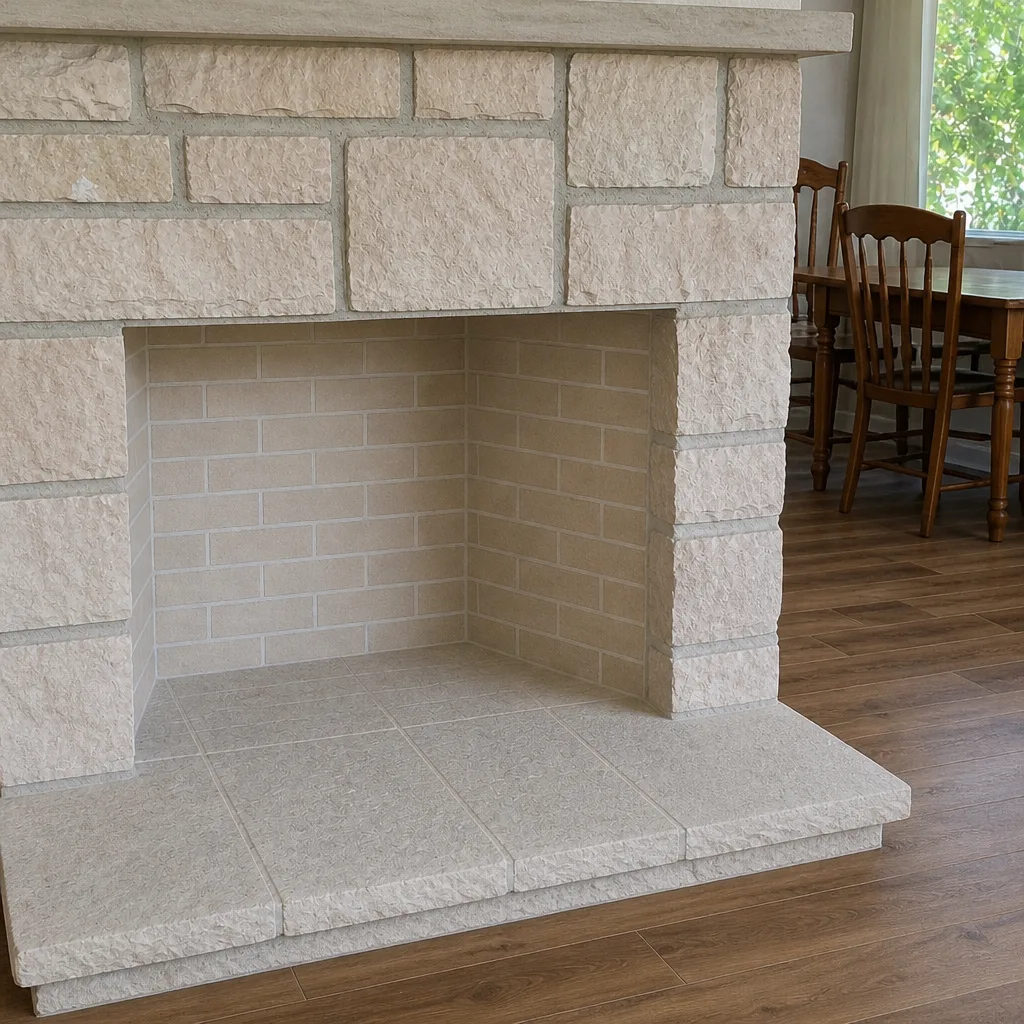
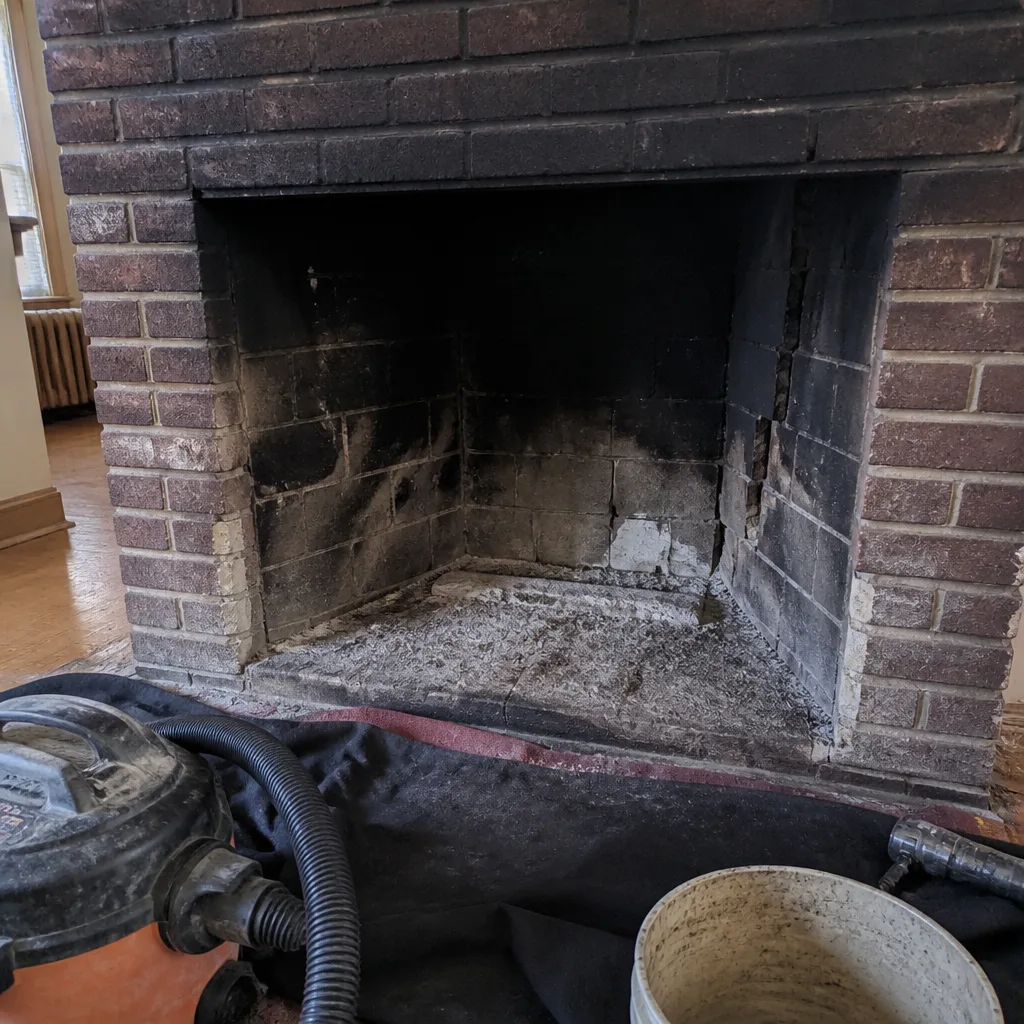
See the difference
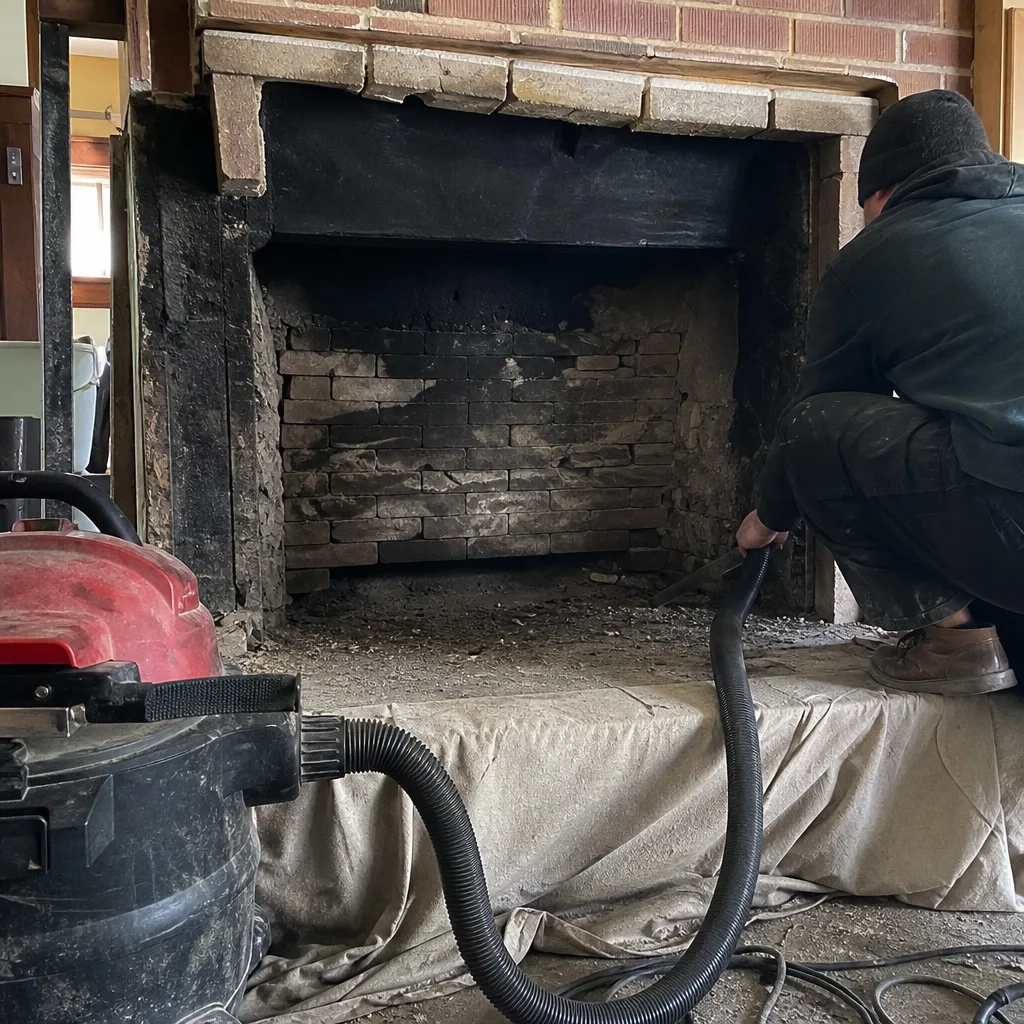 Before
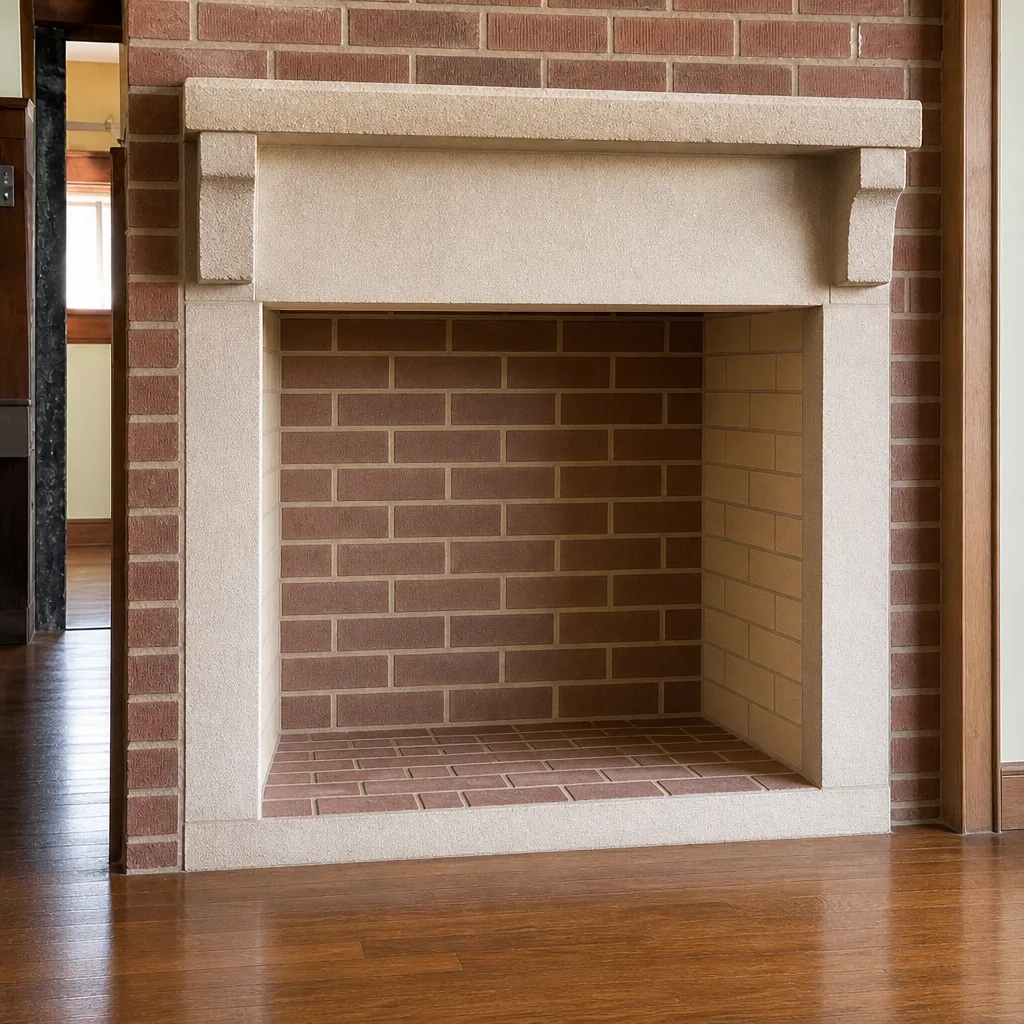 After
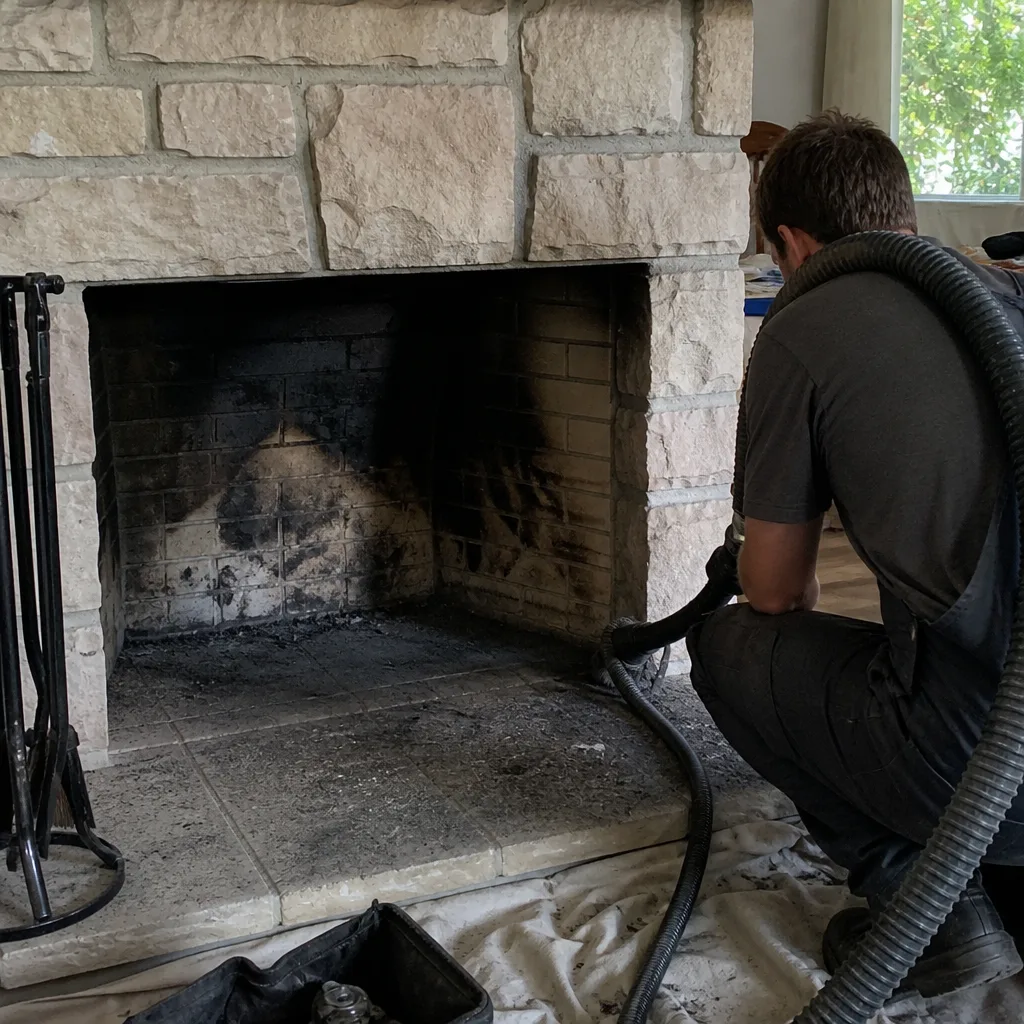 Before
 After
 Before
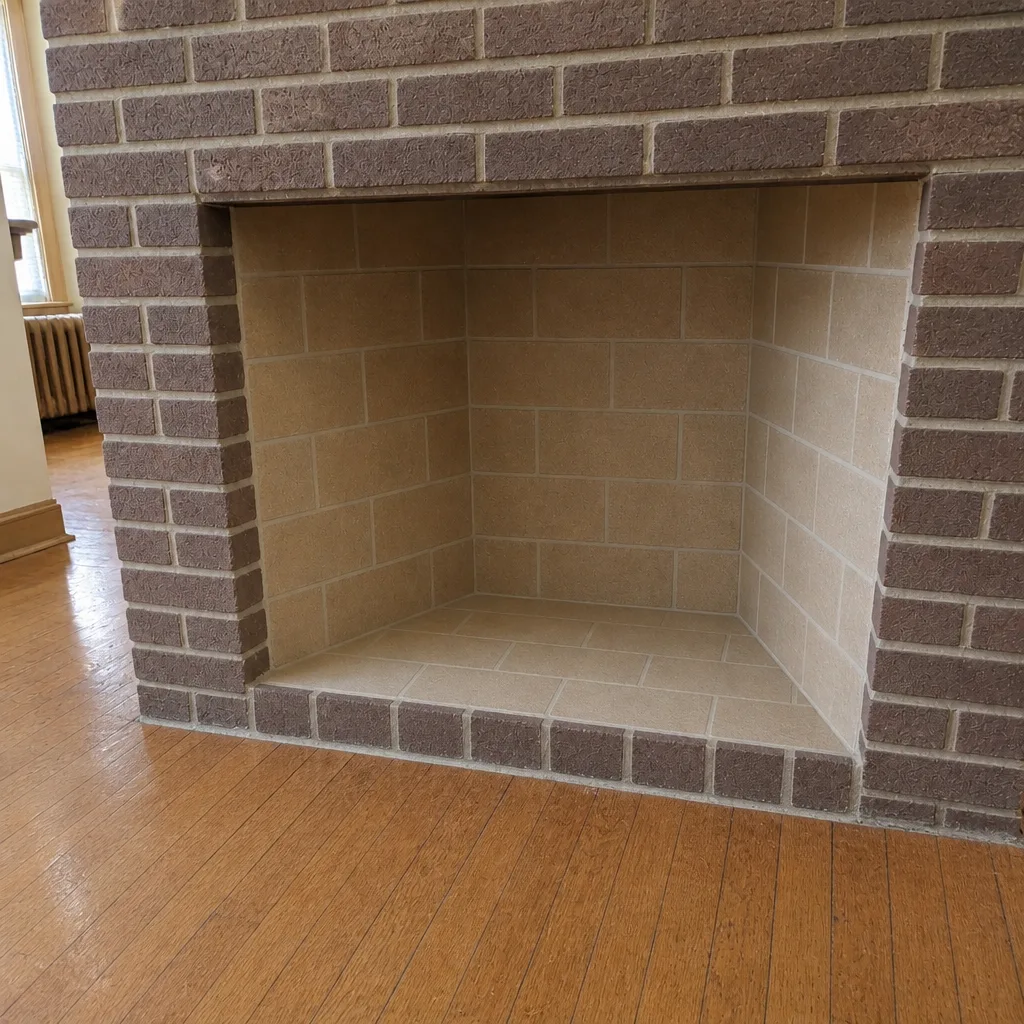 After
When to Call a Professional
Some chimney work is routine. Some is not, and the line between them is worth knowing. Call a professional if you’ve changed the appliance or fuel type since the last inspection, if you’ve had a chimney fire (even a small one you think is out), if you’re buying or selling a home, or if the flue has never been camera-inspected. Call if you smell smoke in the house when the fireplace isn’t in use, if the draft has gotten worse, if there’s visible creosote glaze on the flue walls, or if a previous owner’s liner work isn’t documented. On the routine side, call if it’s been more than a year since the last sweep and the fireplace sees regular use.
Tundra Chimney Sweep offers free estimates in St. Paul. Call (866) 942-6061 for a free estimate. We answer 24/7. Fast dispatch from 7am to 7pm, Sunday through Friday.
Frequently Asked Questions
A chimney sweep in St. Paul is priced per job by a written estimate, so the number depends on your appliance type, liner condition, and whether the visit includes an inspection. The estimate sets the final price, and there’s no service-call fee. Call (866) 942-6061 for an exact quote – estimates are free.
Only if the camera inspection shows the existing liner is compromised – cracked tiles, failed joints, or a liner that’s undersized for the appliance. Nothing gets recommended without camera footage you can review yourself, and if a liner issue can safely wait until next season, you’ll hear that from us. Call (866) 942-6061 to book an inspection – estimates are free.
Once a year for a wood-burning fireplace in regular use, and more often if you burn heavily or burn unseasoned wood. Gas and oil appliances should be inspected annually even though they produce less creosote. St. Paul’s long heating season means most homes here see enough burn time to justify the annual visit. Call (866) 942-6061 to schedule – estimates are free.
Creosote accumulates on the flue walls, and at a certain thickness it can ignite. A chimney fire can crack a clay liner and let heat and combustion gases reach the structure around the flue. Carbon monoxide risk rises when a flue is blocked or the liner is compromised. None of that is guaranteed, but the inspection is how you find out which condition you’re in. Call (866) 942-6061 for an assessment – estimates are free.
A sweep is the cleaning. An inspection is the diagnostic evaluation of the system, and NFPA 211 defines three levels with different scopes. A Level II inspection includes a camera scan of the flue interior and is required at a real estate transaction or after a fuel or appliance change. A proper visit often includes both, but you should know which one you’re paying for. Call (866) 942-6061 to book – estimates are free.
Yes, but verify they understand older masonry systems specifically. St. Paul’s housing stock includes a large share of chimneys that have been modified across decades, and the diagnostic steps matter more here than on newer prefab installations. Ask about liner identification and inspection levels regardless of where the contractor comes from. Call (866) 942-6061 to talk through your system – estimates are free.
The Bottom Line
Hiring a chimney cleaning contractor in St. Paul comes down to verification, not price. Confirm that the technician doing the work holds current CSIA certification, confirm insurance covers chimney fire damage specifically, and confirm the contractor asks about your appliance fuel type and liner material before quoting anything. Ask which NFPA inspection level applies to your situation. Require camera footage and a written report before authorizing any repair, and be suspicious of a low bid on older masonry where the liner condition is unknown. A sweep is a diagnostic process, not a generic action. When you hire for the process, the price tends to take care of itself.
If you’d like to see how we approach this on a St. Paul chimney, Tundra Chimney Sweep works with professional-grade product lines – DuraFlex, HeatShield, Gelco, Olympia Chimney, Famco, and Copperfield – because the materials inside a flue have to hold up under the full heating season, not just a mild one. We handle sweep, repair, and inspection without sending you to a separate inspector. Call (866) 942-6061 for a free estimate. We answer 24/7. Fast dispatch from 7am to 7pm, Sunday through Friday. You can also start at Tundra Chimney Sweep to see the full scope of what we do.
Written by the team at Tundra Chimney Sweep.