
Last updated November 16, 2026
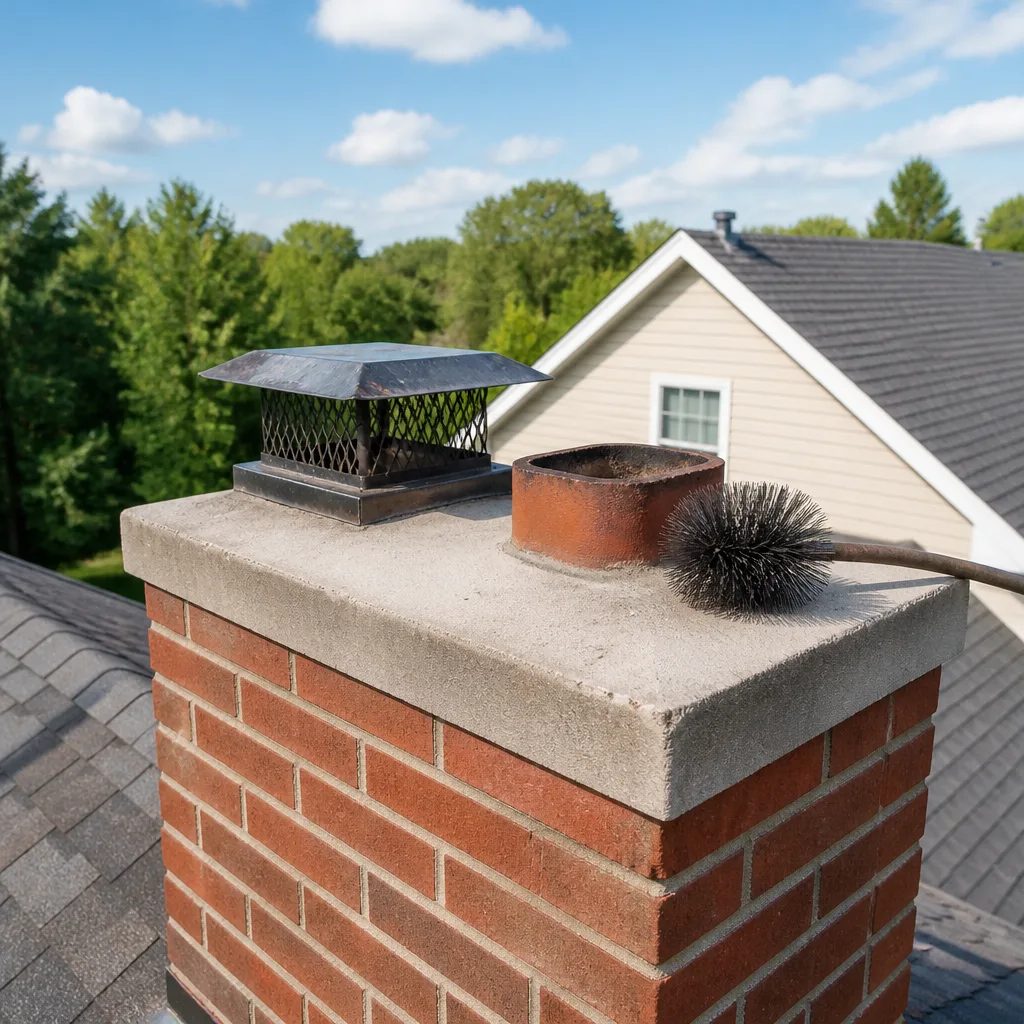 Sweep & inspection
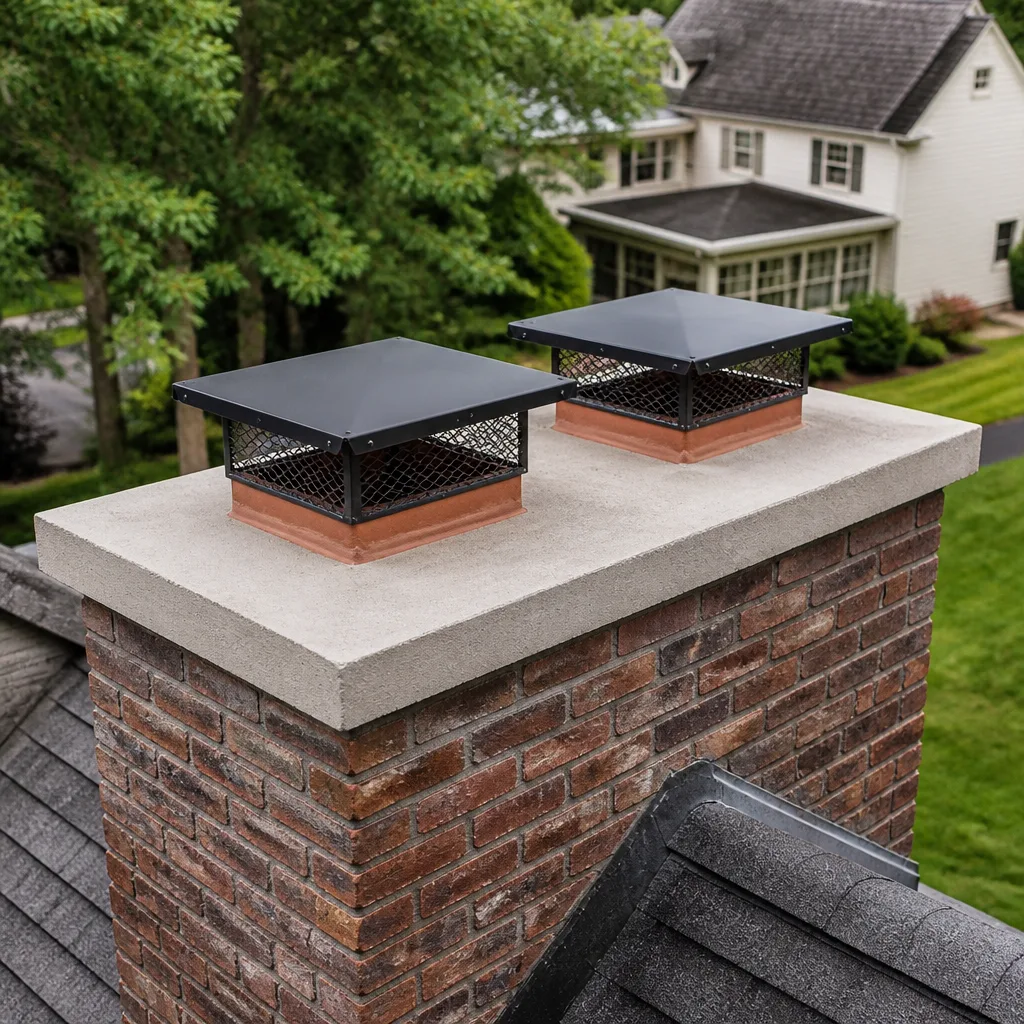 Caps & crowns
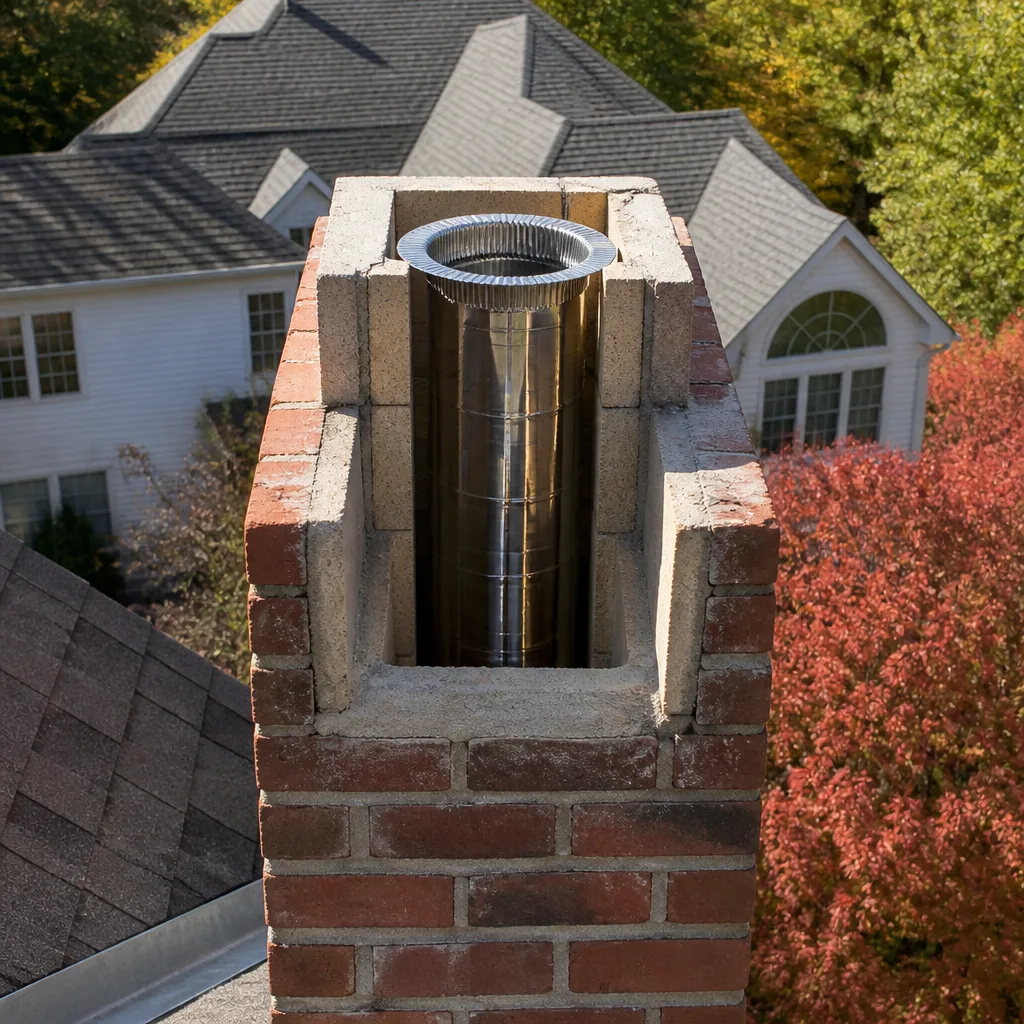 Flue relining
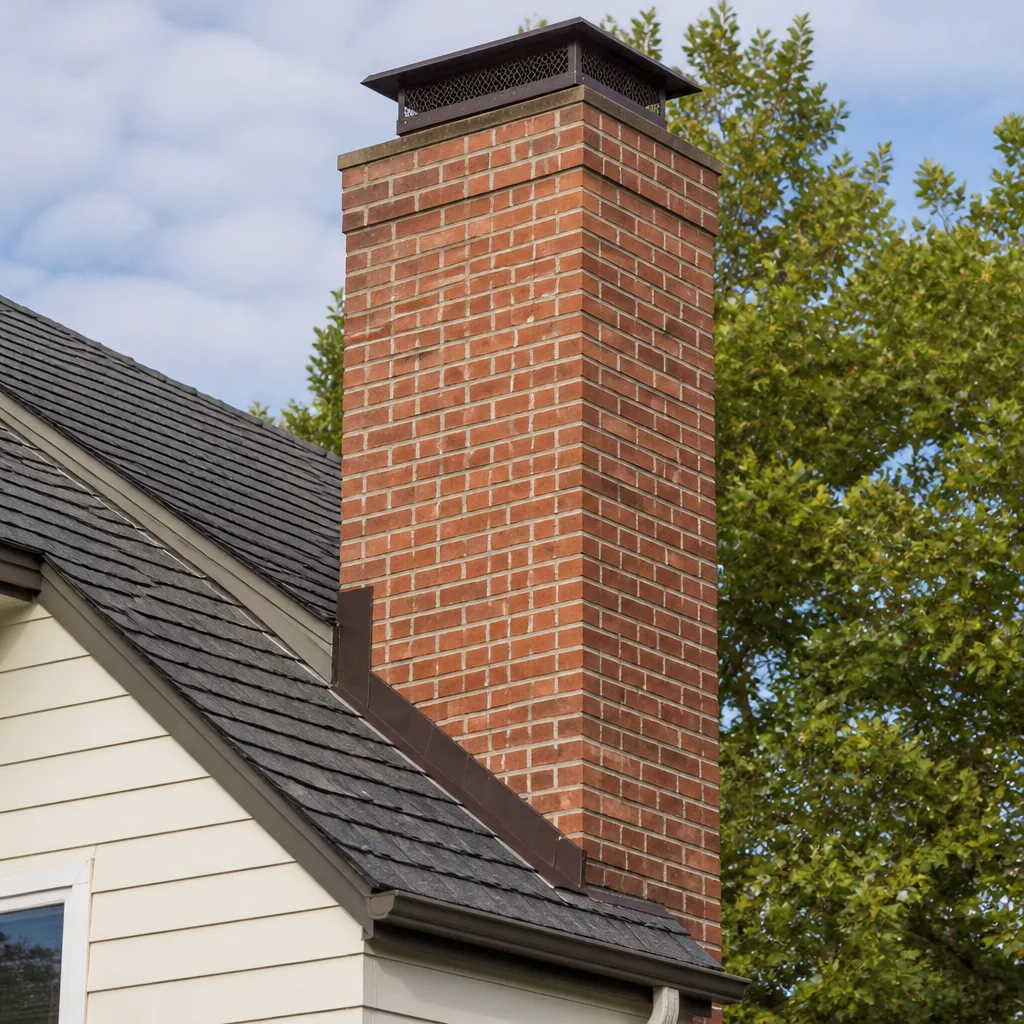 Masonry repair
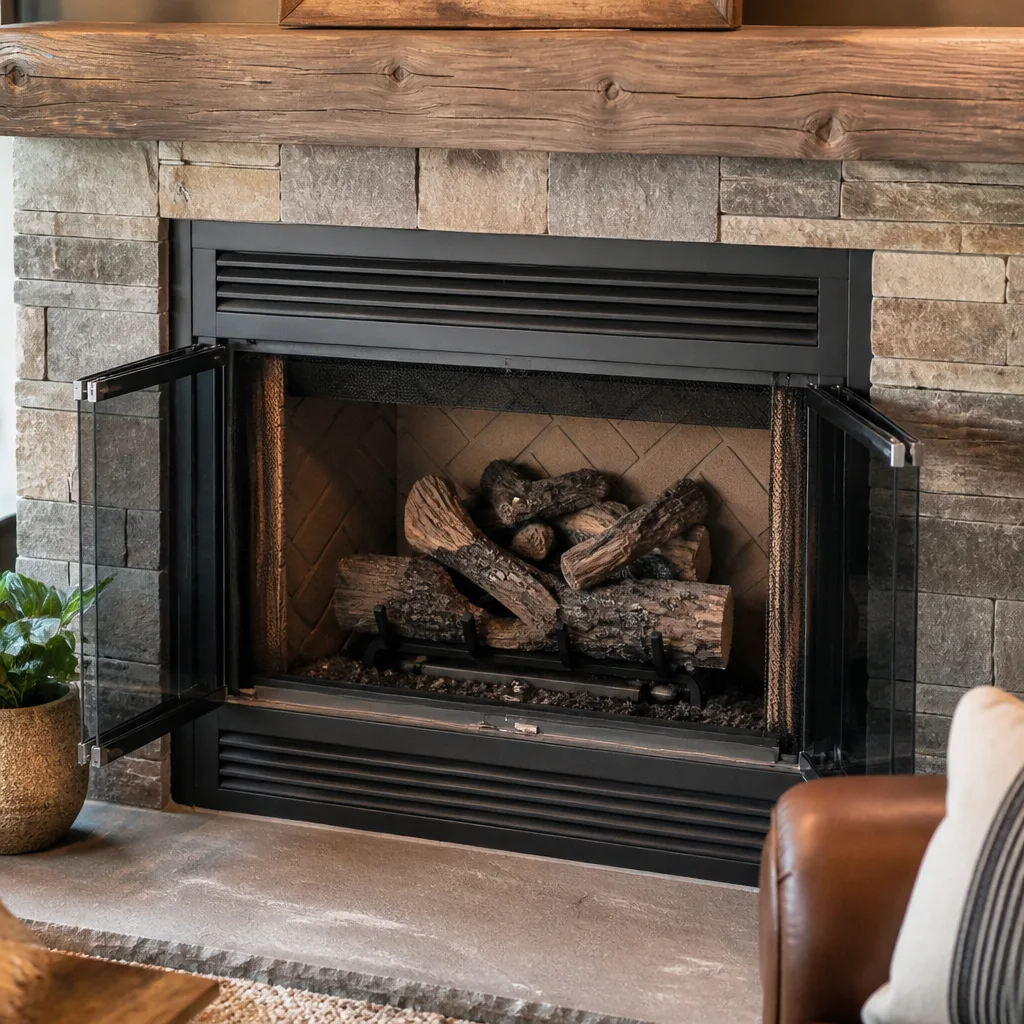 Gas fireplace service
Level 1 sweep and inspection to the NFPA 211 annual standard - flue, crown, cap, and flashing checked and photographed
Chimney sweep logs do not sweep chimneys. They loosen some creosote - which then falls where a brush and vacuum still have to collect it.
Choosing the Right Chimney Cleaning Brand: A Buyer’s Guide for St. Paul
Most homeowners judge a chimney contractor by the price on the estimate, not by the parts inside the flue. That’s backwards. There is no regulatory body stamping chimney components the way the FDA stamps food or drugs. A stainless liner sold as “316 alloy” by a discount supplier and one specified by a commercial contractor can differ in wall thickness, weld quality, and how the metal flexes in deep cold. The brand names on a contractor’s spec sheet tell you which knowledge base they work from. This guide shows you how to read those signals in St. Paul.
Quick Answer
The right chimney brand isn’t a single label you buy off a shelf. It’s the roster of professional-grade components a contractor specifies for your flue: liner alloy grade, cap material and weep design, and chemical creosote treatment. In St. Paul, where heating systems run hard through long winters, contractor-grade brands such as DuraFlex, HeatShield, Gelco, and Olympia Chimney are the ones that carry cold-weather ratings worth trusting.
Styles & brands we work with
- Sweep & inspection
- Caps & crowns
- Flue relining
- Masonry repair
- Gas fireplace service
Table of Contents
- Why chimney product brands matter more than you think
- The three product categories where brand specification matters most
- How to tell commercial-grade from consumer-grade components
- Why cold-climate performance ratings matter in Minnesota
- The brands professional contractors in the Upper Midwest rely on
- How to ask a contractor about product sourcing
- Sweep, repair, and inspection: one system, not three line items
- Common mistakes to avoid
- When to call a professional
Why Chimney Product Brands Matter More Than You Think
A chimney has no moving parts, so it’s easy to assume the metal inside it barely matters. The opposite is true. A flue liner, a cap, and a creosote treatment are the three components that decide whether your chimney survives a Minnesota heating season or fails halfway through it. Each one has a specification sheet that a trained technician reads and a marketing label that a homeowner sees. Those two documents are not the same.
Think about what a liner actually does. It carries flue gases up and out while holding back heat and corrosive condensate from the masonry around it. A liner with thinner walls or a poor weld at a seam can develop a pinhole that lets creosote or moisture reach the brick. A cap with the wrong gauge of steel can crush under an ice load. A chemical treatment that only coats the surface of a creosote deposit leaves the flammable core in place.
Here’s the takeaway worth holding onto: the brand a contractor specifies is shorthand for the standard they set. A technician who names DuraFlex for a flexible relining job is telling you they chose a product built for tight bends and temperature swings. A technician who says “whatever the supply house had” is telling you something else. When you hire through Tundra Chimney Sweep, you get a contractor working from a named roster of professional-tier brands because we’ve seen what commodity parts do under load.
The Three Product Categories Where Brand Specification Matters Most
You don’t need to memorize a parts catalog. You need to understand where the difference between a good chimney job and a mediocre one shows up. It shows up in three places: the liner alloy grade, the cap material and weep design, and the chemical creosote treatment. Everything else is secondary.
1. Liner alloy grade
Flexible stainless liners are graded by alloy. The alloy determines how well the metal resists corrosion from flue condensate. A liner that passes a mild-condition inspection can still pit and crack when a gas appliance pushes acidic moisture against it season after season. Ask what alloy a contractor plans to use and why. A competent answer references the appliance type, the fuel, and the venting conditions, not a price point.
2. Cap material and weep design
Caps do two jobs: keep water and animals out, and let moisture escape so it doesn’t condense inside the flue. A cap with the wrong gauge of steel, or one without a proper weep path, can trap water or fail under an ice load. Gelco and Olympia Chimney both build terminations designed to shed water and hold up in freezing conditions. A contractor who specifies a cap by brand and by gauge is thinking about winter. One who waves at a generic cap is not.
3. Chemical creosote treatment efficacy
Creosote is the flammable residue that builds on flue walls. There are two kinds of treatment: a surface application that coats what’s already there, and a chemical treatment designed to break down the deposit itself so it can be swept away. The second is what a professional specifies. Ask whether a treatment breaks down creosote or just coats it. The answer tells you whether the contractor understands fire load or is just selling a bottle.
How to Tell Commercial-Grade from Consumer-Grade Components
Packaging language is written to sell. Specifications are written to perform. The trick to telling them apart is to stop reading the front of the box and start asking about the numbers a manufacturer publishes on the spec sheet. Most homeowners never see these, which is exactly why a contractor should be willing to walk you through them.
Here’s a short checklist you can run through with any contractor before work begins. None of these questions are adversarial. They’re the same questions a property manager asks before signing off on a repair.
- Ask for the alloy or gauge. A liner spec names the alloy. A cap spec names the steel gauge. If the answer is “heavy-duty” or “premium,” ask again.
- Ask what the product was tested for. Commercial-grade components carry performance ratings for temperature, corrosion resistance, and in some cases cold-weather flex. Consumer-grade parts often carry no published rating at all.
- Ask who the product is sold to. Products marketed to the commercial trade are usually sold through trade channels, not big-box shelves. That’s not snobbery; it’s a distribution signal.
- Ask what happens at a seam. Welds and connector joints are where liners fail first. A contractor who can describe the joint design is a contractor who has thought about failure.
- Ask what the warranty covers and what it excludes. Commercial-grade brands publish clear warranty terms. Read the exclusions before you assume anything is covered.
When you can compare two estimates on these five points, the difference in price usually explains itself. The cheaper bid is cheaper because the parts are cheaper. That’s a fact worth knowing before you sign.
Why Cold-Climate Performance Ratings Matter in Minnesota
St. Paul winters test chimney systems in ways a mild-climate installation never will. Metal contracts when the temperature drops. Connectors that fit snugly at 40°F can pull slightly at -10°F. Caps that shed rain fine can trap ice. A liner that flexes easily on a warm day can crack at a bend when the metal stiffens in the cold.
This is why cold-weather performance ratings matter more here than in most of the country. A component rated for mild conditions may not carry a rating for sustained subzero use. When we specify a liner or a cap, we’re reading for the cold-temperature rating first, because that’s the condition the chimney will actually face. In a St. Paul home, the flue runs through months of hard freeze and repeated thaw cycles. The materials have to survive both.
A few things to look for when a contractor talks about cold performance:
- Flex rating at low temperature. A liner that stays flexible in the cold is less likely to crack at a bend during installation and less likely to develop stress fractures later.
- Cap ice-load tolerance. A cap has to hold the weight of ice that forms on it and sheds without collapsing. Thin steel fails this test.
- Condensate resistance in the alloy. Cold flues produce more condensate, and condensate is what corrodes metal. The alloy has to match the moisture load.
- Connector design. Joints that stay tight through thermal contraction are worth more than joints that only look tight on a warm day.
You can see why a chimney sweep in St. Paul can’t treat product sourcing as an afterthought. The parts have to be specified for the climate the flue lives in, and in this city that means specifying for cold.
The Brands Professional Contractors in the Upper Midwest Rely On
You don’t need to become a brand expert. You need to recognize a small number of names and understand what each one is for. The professional roster is short, and each brand earns its place by solving a specific problem a chimney actually has.
DuraFlex
DuraFlex is a flexible stainless liner system. We specify it for relining jobs where the flue has bends, offsets, or a footprint that a rigid liner can’t navigate. DuraFlex also handles the more demanding conversions, like an oil-to-gas appliance change or an oversized masonry flue that needs a properly sized liner inside it. The reason we use DuraFlex is simple: it holds up under the flex and thermal cycling that a Minnesota flue produces.
HeatShield
HeatShield is a flue resurfacing system. It lets a technician restore a deteriorated liner by applying a repair material to the flue wall, without tearing out the existing liner first. That matters because a full liner removal and replacement is a much larger job than a resurfacing. When a flue is a candidate for HeatShield, the homeowner gets a repair path that preserves the original structure. Not every flue qualifies; the condition of the liner decides.
Gelco and Olympia Chimney
Gelco and Olympia Chimney both make chimney caps and terminations. We specify them for properly fitted caps and flashing that keep water and animals out and let the flue breathe. A cap is one of the cheapest parts of the system and one of the most important, because a bad cap lets water in and a good one keeps it out. Olympia Chimney also builds flexible liner components in the professional trade. A St. Paul home with a wood-burning fireplace or a gas insert benefits from a cap that’s specified for ice load and proper venting, not just for appearance.
How to Ask a Contractor About Product Sourcing
Most homeowners worry that asking about brands will sound like they’re second-guessing the contractor’s competence. It doesn’t have to. A professional who specifies commercial-grade parts is usually glad to explain them, because the explanation is the proof. The key is to ask open questions and listen to how the answer is structured.
Try framing your questions around performance rather than price. “What liner would you use for this flue, and why that one?” is a normal question that gets a normal answer from a good technician. “What’s the cheapest option?” gets you a different conversation. Both are legitimate, but only one tells you how the contractor thinks.
Here’s what competent answers tend to sound like, and what commodity answers tend to sound like:
- Competent: “For a gas appliance in this flue, we’d specify a liner with this alloy because condensate will be acidic.” Commodity: “We use the standard one.”
- Competent: “Your cap needs a specific gauge because ice forms on it in St. Paul winters.” Commodity: “The cap we install is fine.”
- Competent: “The creosote here is glazed, so we need a chemical treatment that breaks it down before we sweep.” Commodity: “We’ll brush it out.”
- Competent: “This flue may qualify for resurfacing, which means we don’t have to remove the whole liner.” Commodity: “You need a new liner.”
Notice the pattern. The competent answers name a product category and give a reason that ties to your specific flue. The commodity answers avoid specifics. When you hear the second pattern, ask one more direct question: “What brand would you specify, and why?” A contractor who can answer will. One who can’t just told you something important.
We use DuraFlex for flexible relining, HeatShield for resurfacing, and Gelco and Olympia Chimney for caps and terminations because each one solves a specific problem. When we explain a repair to a homeowner in St. Paul, we name the product and give the one-line reason, because the reason is what makes the cost make sense.
Sweep, Repair, and Inspection: One System, Not Three Line Items
The most common mistake homeowners make is treating a chimney as three separate services that can be bought independently. They book a sweep from one company, a repair from another, and an inspection from a third when they sell the house. This fragmented approach creates gaps. A sweep removes what’s in the flue. An inspection tells you what the flue is actually in condition to handle. A repair fixes what the inspection found. If three different people do those jobs, nobody owns the whole system.
Here’s the order that makes sense, and the reason each step follows the one before it:
- Sweep first, so the camera can see. You can’t assess a flue wall you can’t see. A sweep clears soot and loose creosote so the inspection reflects the actual condition of the liner.
- Inspect second, so the findings are real. An inspection should document the flue in writing, with photos and a description of what was found. The report should read like a field report, not a sales pitch.
- Repair third, and only what the inspection supports. A recommended repair should tie directly to something the inspection found. If nobody can show you the evidence, ask why the repair is being recommended.
- Re-inspect after repair. A repair isn’t finished until the system is documented as sound. That matters for real estate transactions and for insurance requirements.
Three-service scope in one contractor removes the gap between the sweep and the repair. You can see the full picture in one place, and nothing gets lost between companies. If you need a chimney sweep, a chimney repair, and the written documentation that goes with them, having one company own all three makes the whole system legible.
Common Mistakes to Avoid
We’ve seen the same handful of sourcing and hiring mistakes on repeat. Each one is avoidable, and each one costs more to fix than it would have to get right the first time.
- Choosing a contractor by price alone. The low bid usually wins on cheap parts, not on efficiency. A relining job that has to be redone in a few years costs twice.
- Accepting “heavy-duty” or “premium” as a brand answer. Those words aren’t specifications. If a contractor can’t name the alloy or the gauge, they’re guessing, and so are you.
- Assuming a cap is a minor accessory. In St. Paul, a cap that fails under ice load lets water into the flue. That water causes the liner damage the next repair is fixing.
- Skipping the written inspection report. A verbal “looks fine” is not documentation. Get the condition of the flue in writing, especially in St. Paul real estate transactions where the report gets read by a buyer’s inspector.
- Buying the cheapest possible creosote treatment. A treatment that coats the deposit does not remove the fuel. The creosote is still there, just covered.
- Letting the sweep and the repair be handled by different companies. When two contractors touch the same flue and neither sees the whole picture, the gap between them is where problems hide.
- Ignoring the cold-climate rating. A component rated for mild conditions is a gamble in a Minnesota winter. Read for the cold-temperature rating first.
When to Call a Professional
Some chimney work is a routine sweep. Some of it is not. Call a professional when you have a glazed creosote deposit that a standard brush won’t touch, a flue that has been documented as deteriorated, or a cap that’s failing or missing. Call when you’re converting between fuel types, when a masonry flue is oversized for the appliance, or when water is showing up inside the firebox or at the crown. Call when you’re buying or selling a home in St. Paul and need the chimney condition in writing for a transaction or an insurance requirement. And call anytime you smell creosote in the house or notice soot at the appliance connector, because those are signs a trained eye should read. Tundra Chimney Sweep offers free estimates in St. Paul – call (866) 942-6061.
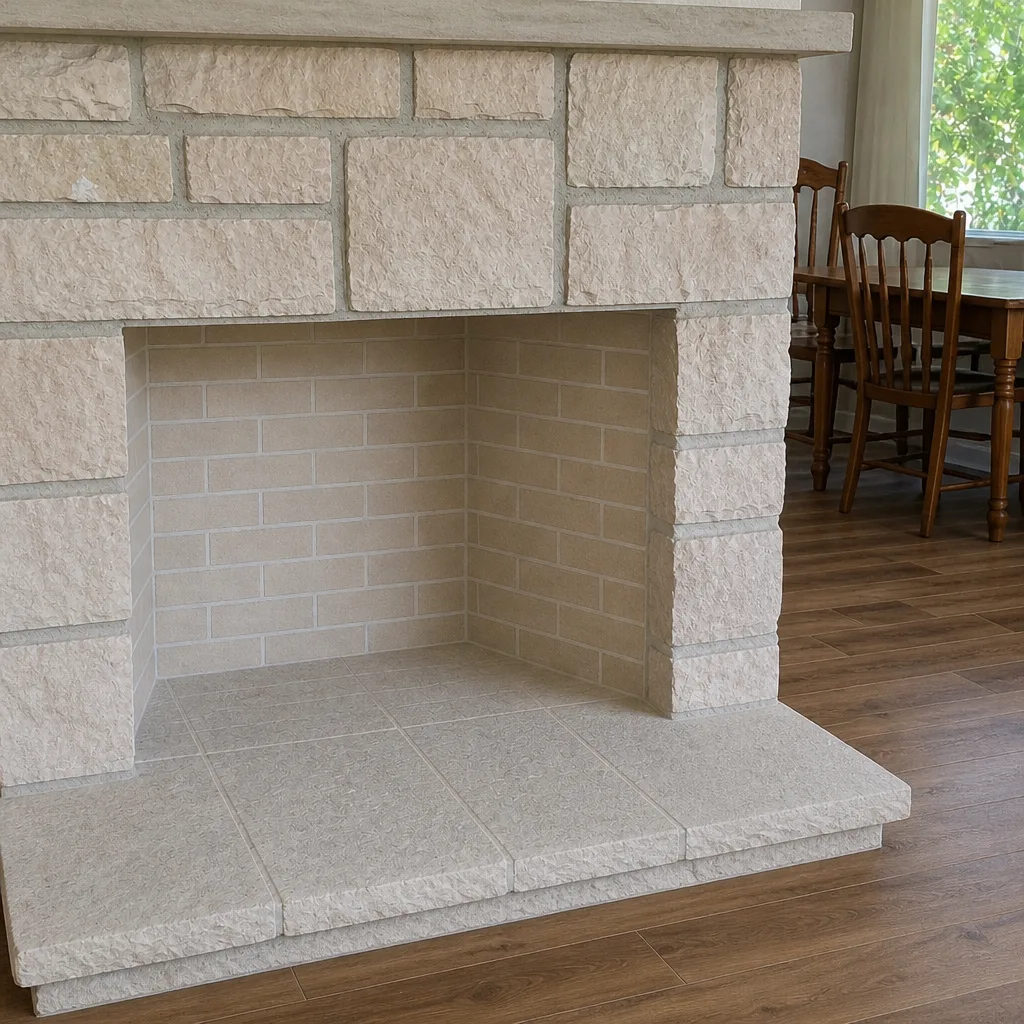
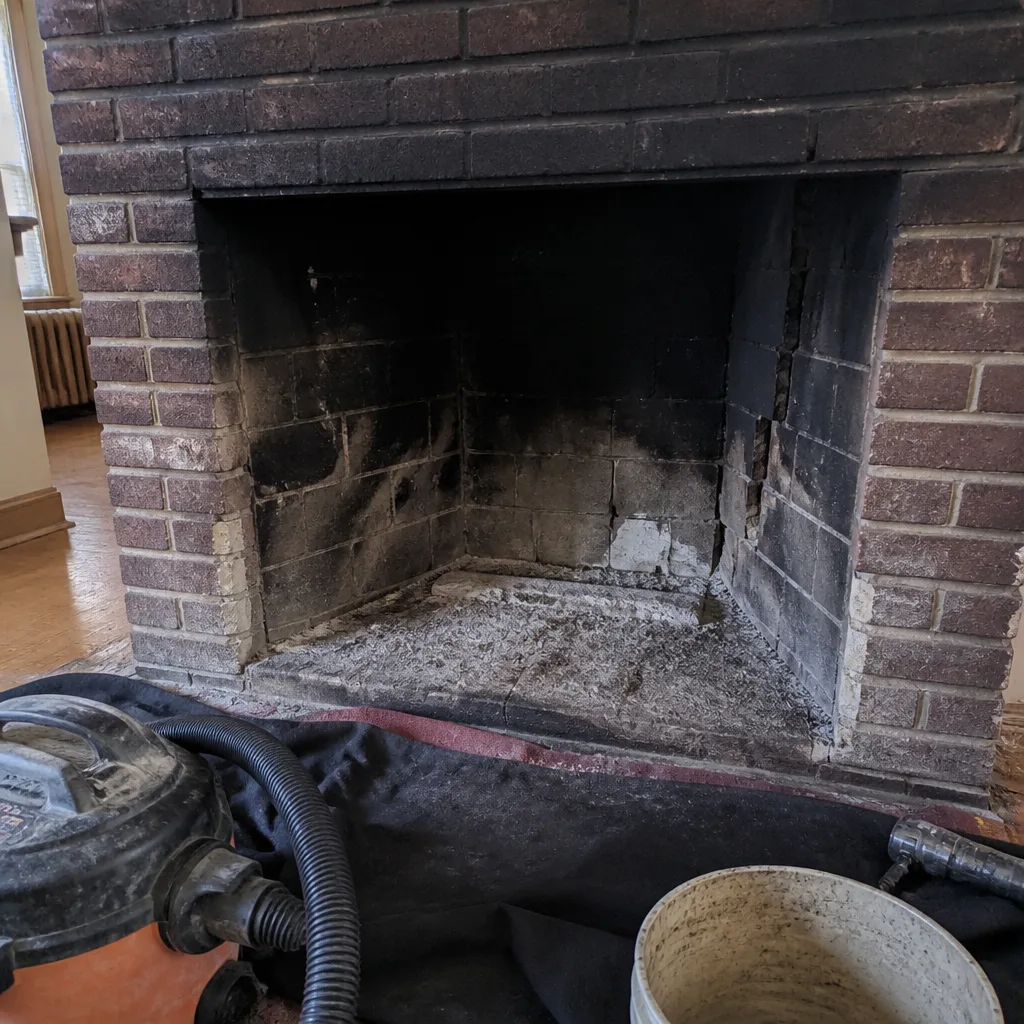
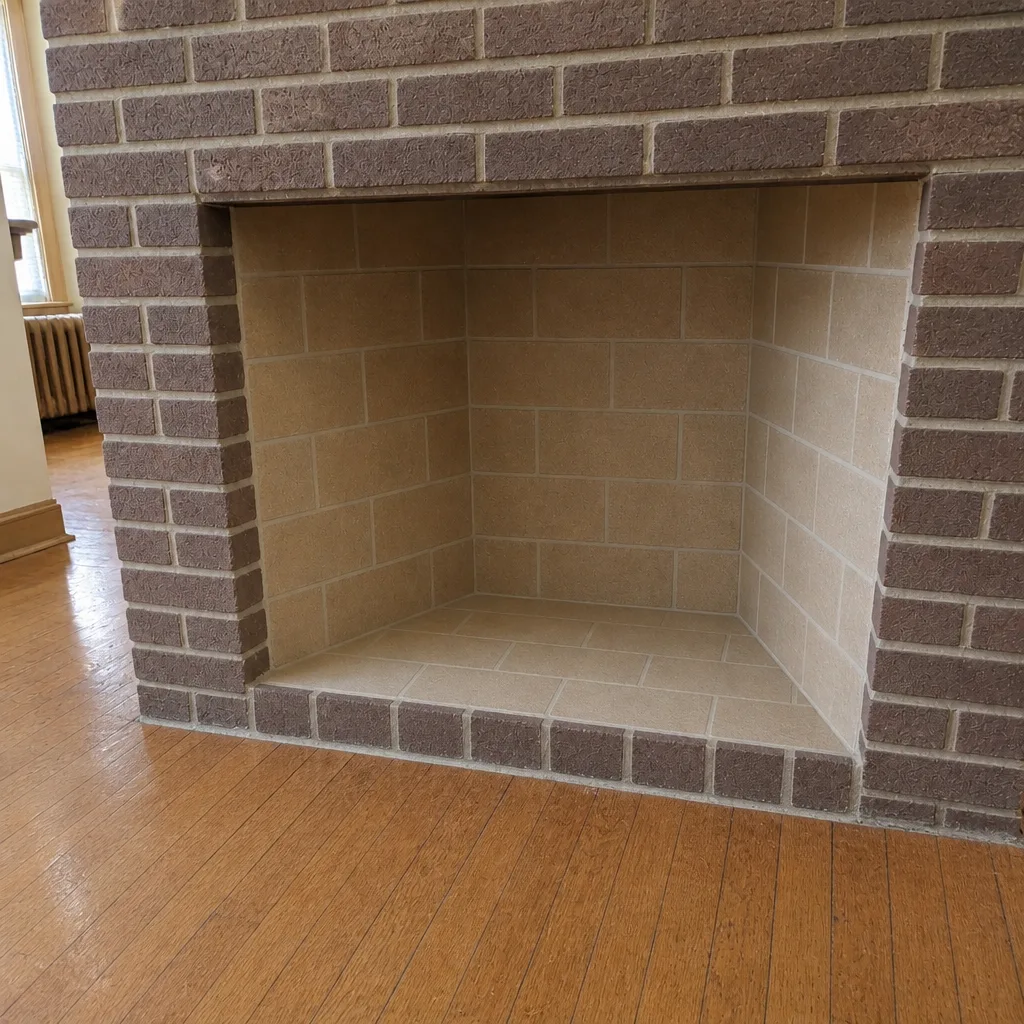
See the difference
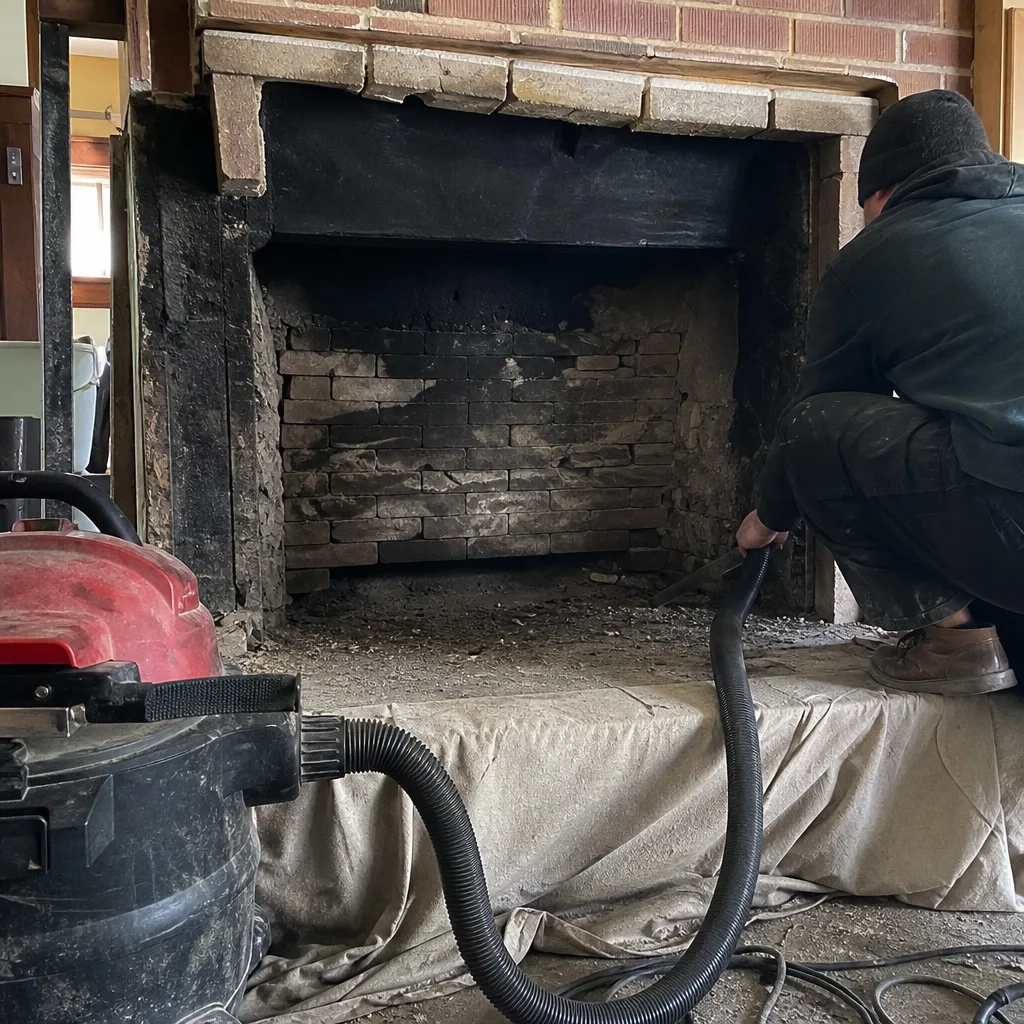 Before
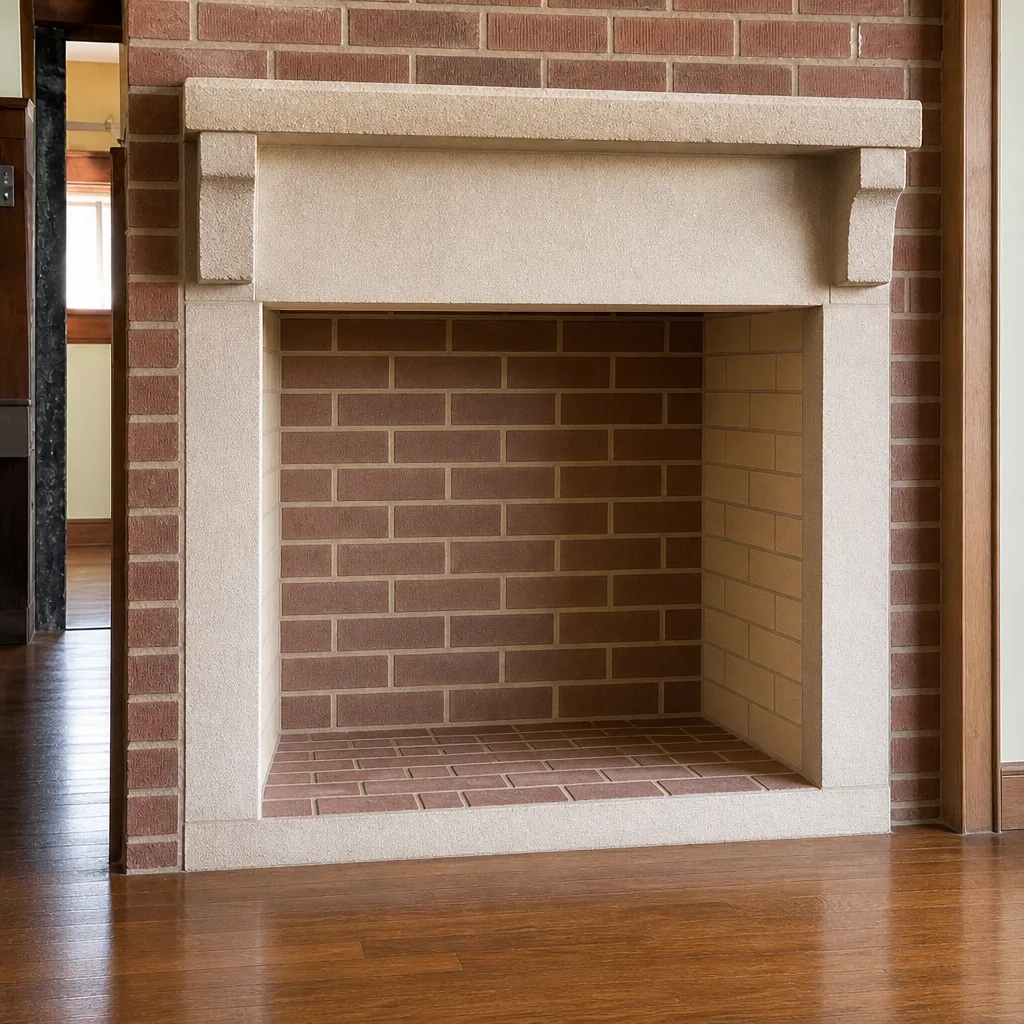 After
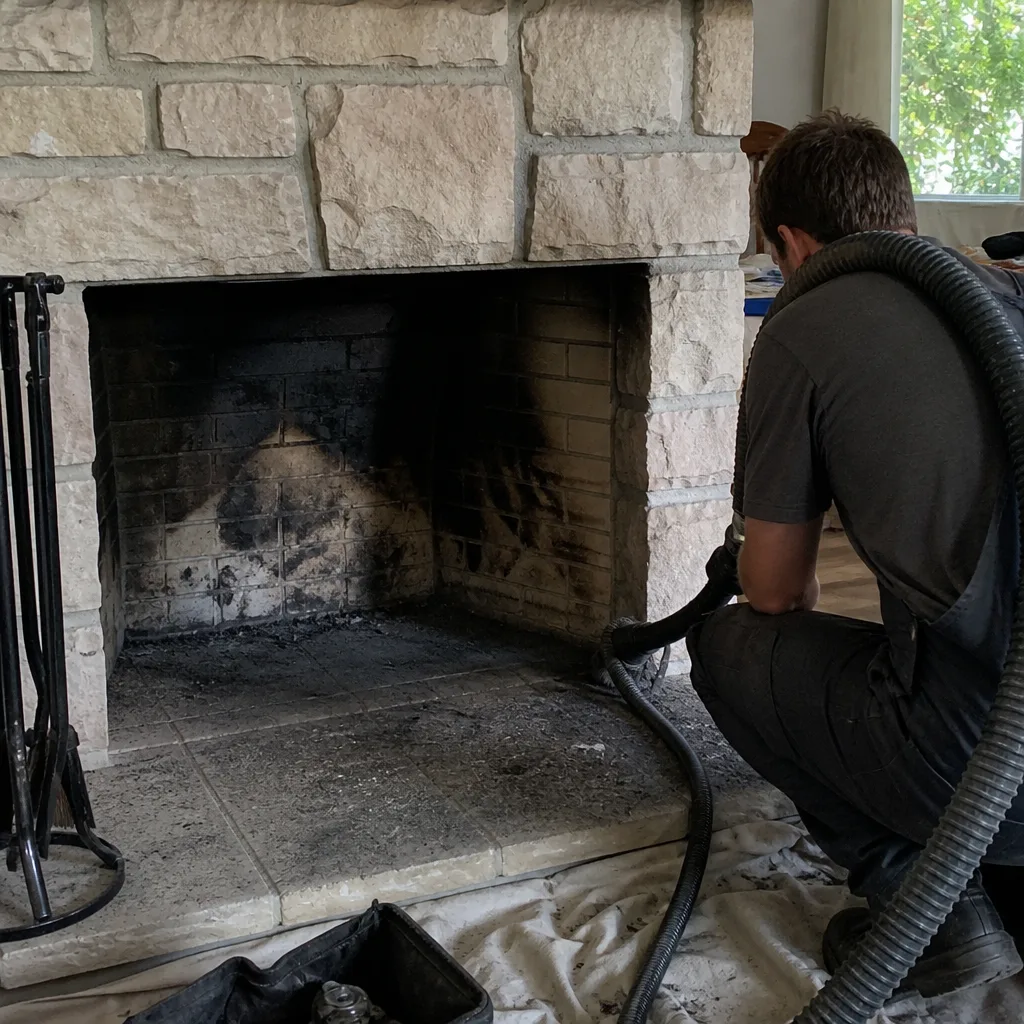 Before
 After
 Before
 After
Frequently Asked Questions
The best brands are the ones specified for the job at hand, not a single universal label. In St. Paul, professional contractors tend to specify DuraFlex for flexible liners, HeatShield for flue resurfacing, and Gelco or Olympia Chimney for caps and terminations. Each one solves a specific problem: flexible relining in an offset flue, restoring a deteriorated liner without demolition, and a termination that holds up under ice load. Call (866) 942-6061 and we’ll explain exactly what your flue needs and why.
Yes, because the brand is shorthand for the alloy grade, wall thickness, and weld quality behind it. Two liners sold under different names can both be called “316 stainless” and still perform very differently under sustained heating-season load. The differences show up first at seams and bends, which is exactly where a liner is likely to fail. Ask what alloy and what joint design a contractor is specifying before they start.
Cold weather stresses metal. Liners contract, connectors that fit tightly at mild temperatures can pull at a bend, and caps collect ice that thin steel can’t hold. A component with a cold-temperature flex rating is built for what a Minnesota flue actually faces. One without that rating may work fine for a season and then crack. Specifying for cold performance is not an upsell; it’s matching the part to the condition.
HeatShield is a resurfacing system, so it restores a liner that’s still structurally a candidate for repair rather than replacing it. When the flue qualifies, it’s a legitimate repair path that avoids full demolition. When it doesn’t qualify, the condition of the liner decides that, and the honest answer is a full relining. The right move is to have the flue inspected and repaired by the same company, so the recommendation ties directly to what was found. Call (866) 942-6061 for a free estimate on what your flue actually needs.
Ask performance questions framed around your flue, not price questions framed around the contractor. “What liner would you use for this appliance, and why that one?” is a normal question that a good technician answers directly. Listen for a specific product category and a reason tied to your flue. If you hear “heavy-duty” or “premium” instead, ask one more question: “What brand would you specify and why?” The answer tells you what kind of shop you’re dealing with.
No, if the same contractor handles the sweep, the repair, and the inspection. A re-inspection after repair is what documents that the system is sound, and that document matters for real estate transactions and insurance requirements. When all three services come from one company, the gap between them closes. Tundra Chimney Sweep handles sweep, repair, and inspection in St. Paul, so you never coordinate a separate inspector afterward. Call (866) 942-6061 for a free estimate.
The Bottom Line
The brand a chimney contractor specifies is a signal of their technical standard. Contractors who name commercial-grade liner systems, caps, and chemical treatments by name are working from a different knowledge base than those who buy whatever’s in stock. In St. Paul, cold-climate ratings matter because the flue lives through hard freeze and thaw cycles, and the parts have to survive both. Ask for the alloy, the gauge, and the reason. Ask for the inspection in writing. Treat sweep, repair, and inspection as one system. If you’d like a straight assessment of what your flue actually needs, Tundra Chimney Sweep offers free estimates in St. Paul, and we specify every repair by brand and by reason. Call (866) 942-6061. We answer 24/7. Fast dispatch from 7am to 7pm, Sunday through Friday.
Written by the team at Tundra Chimney Sweep.