
Last updated November 16, 2026
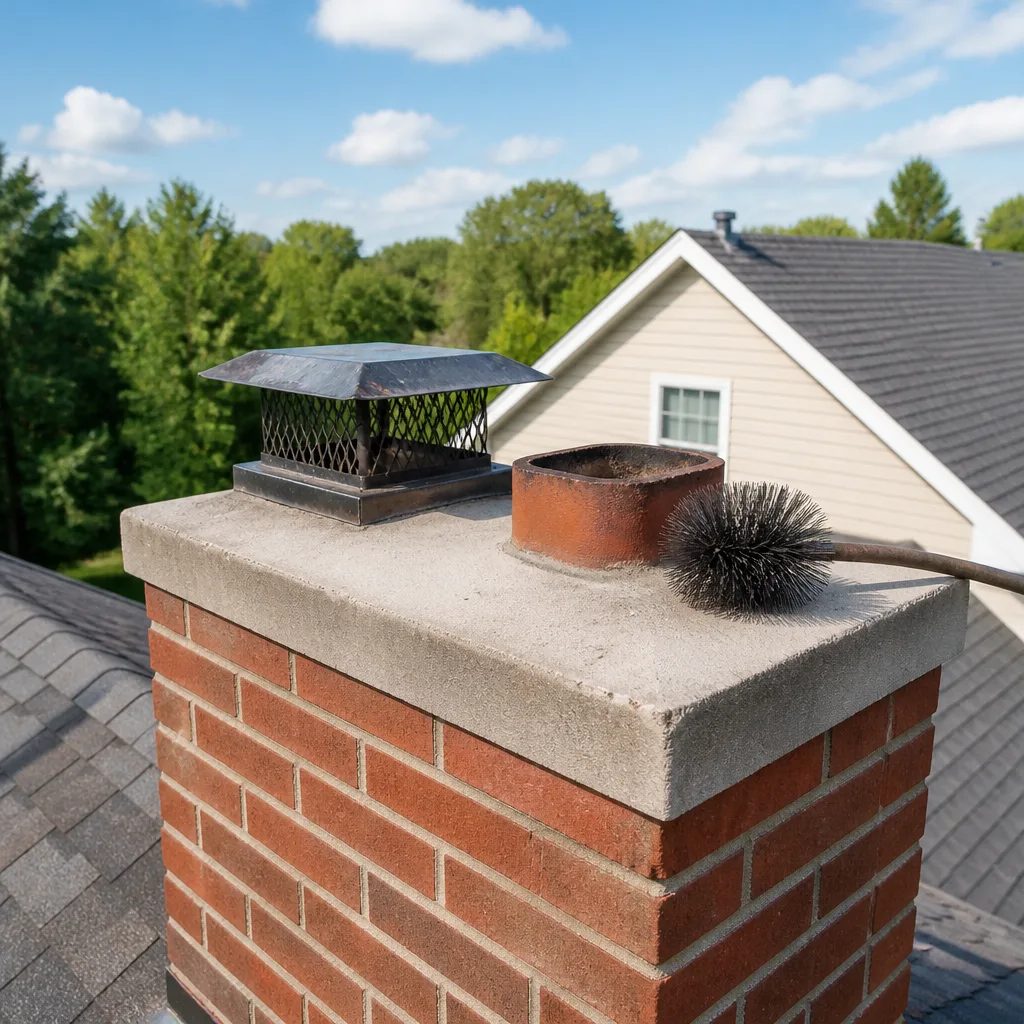 Sweep & inspection
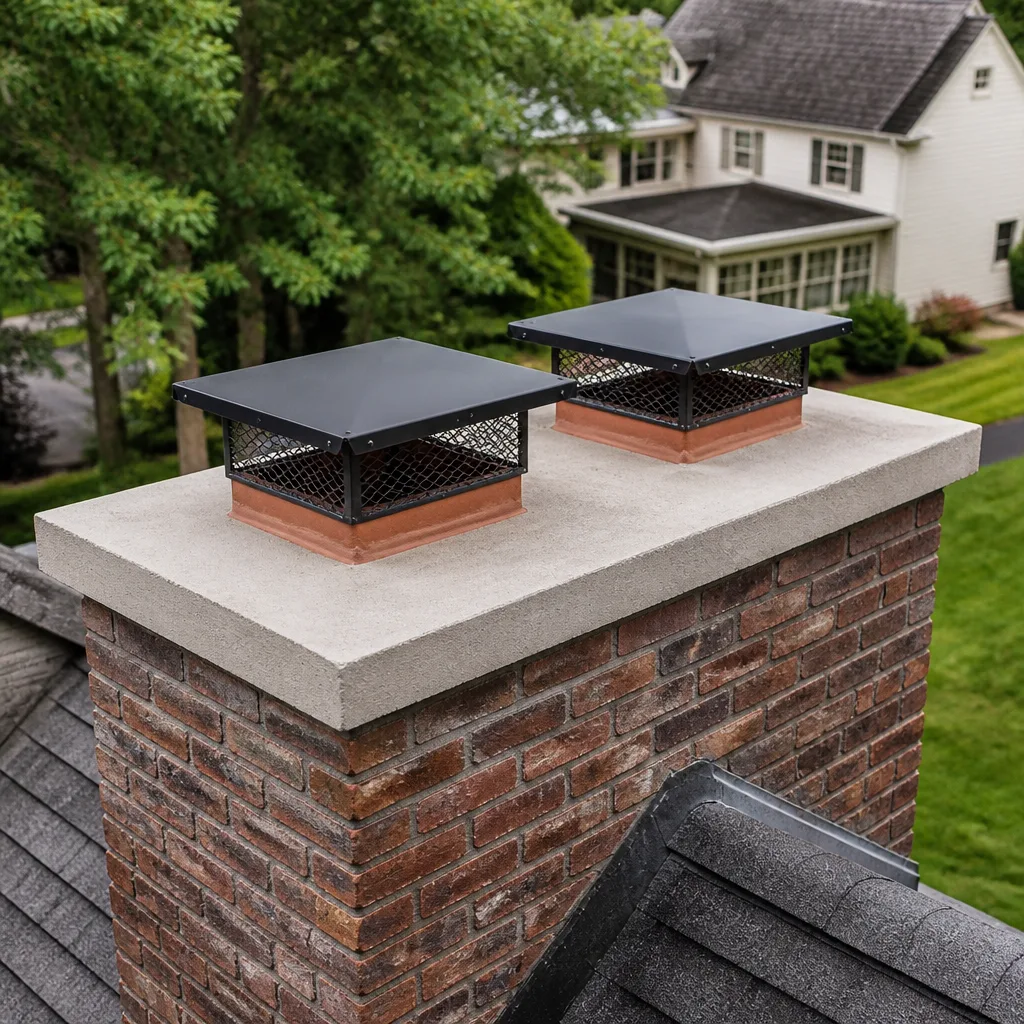 Caps & crowns
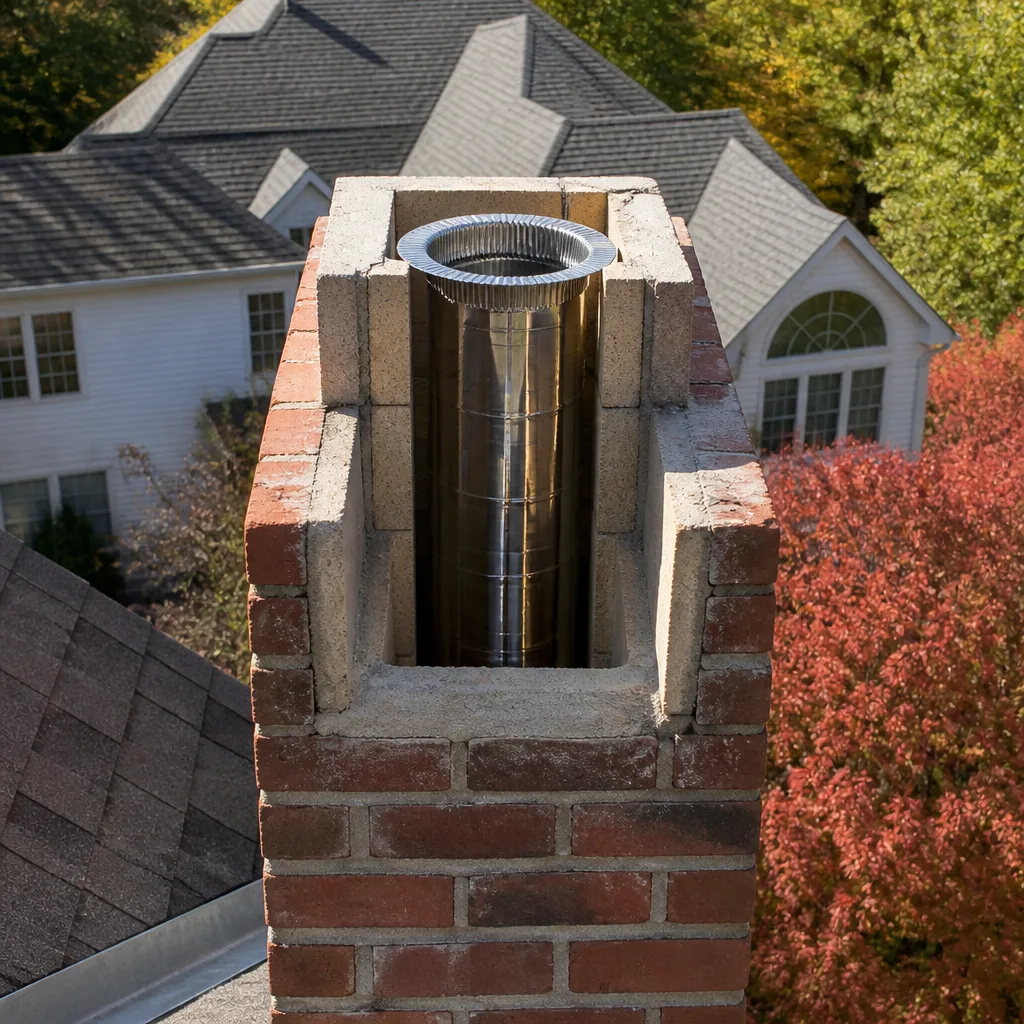 Flue relining
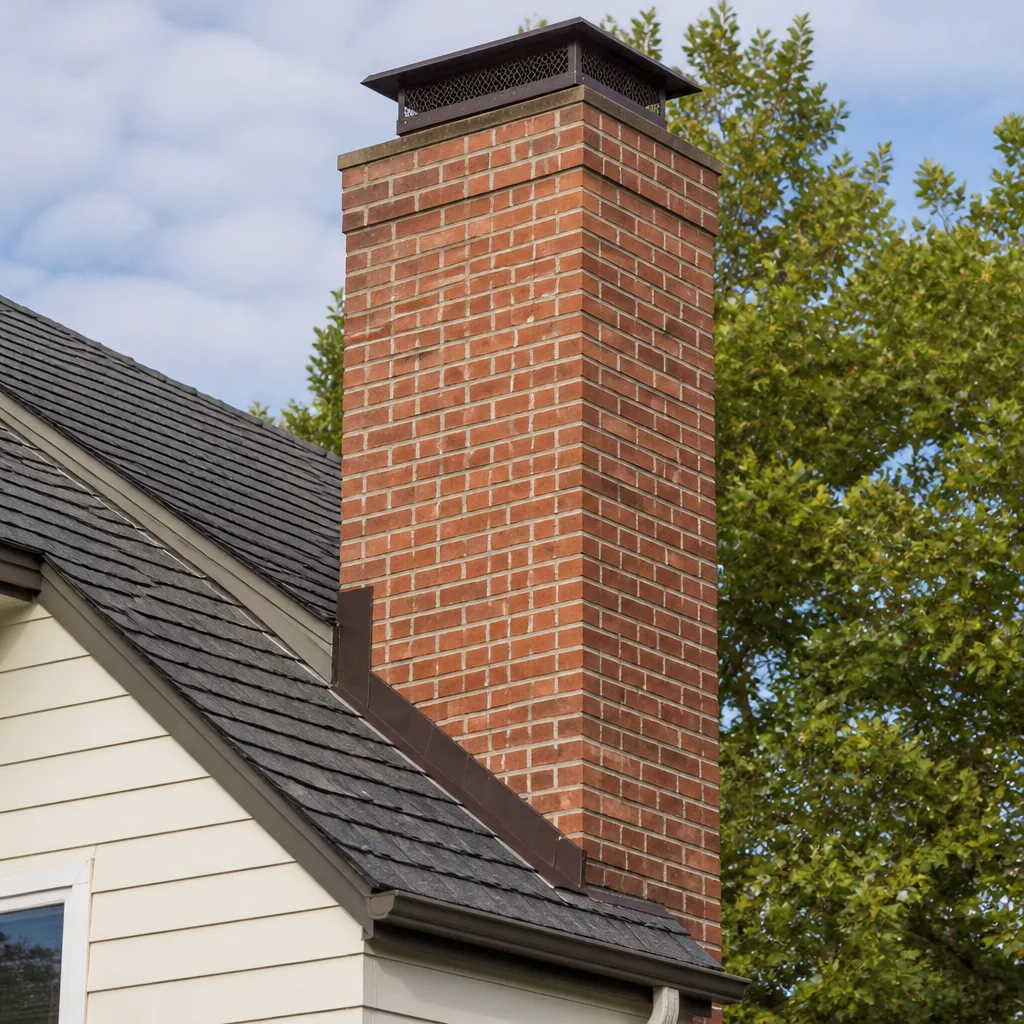 Masonry repair
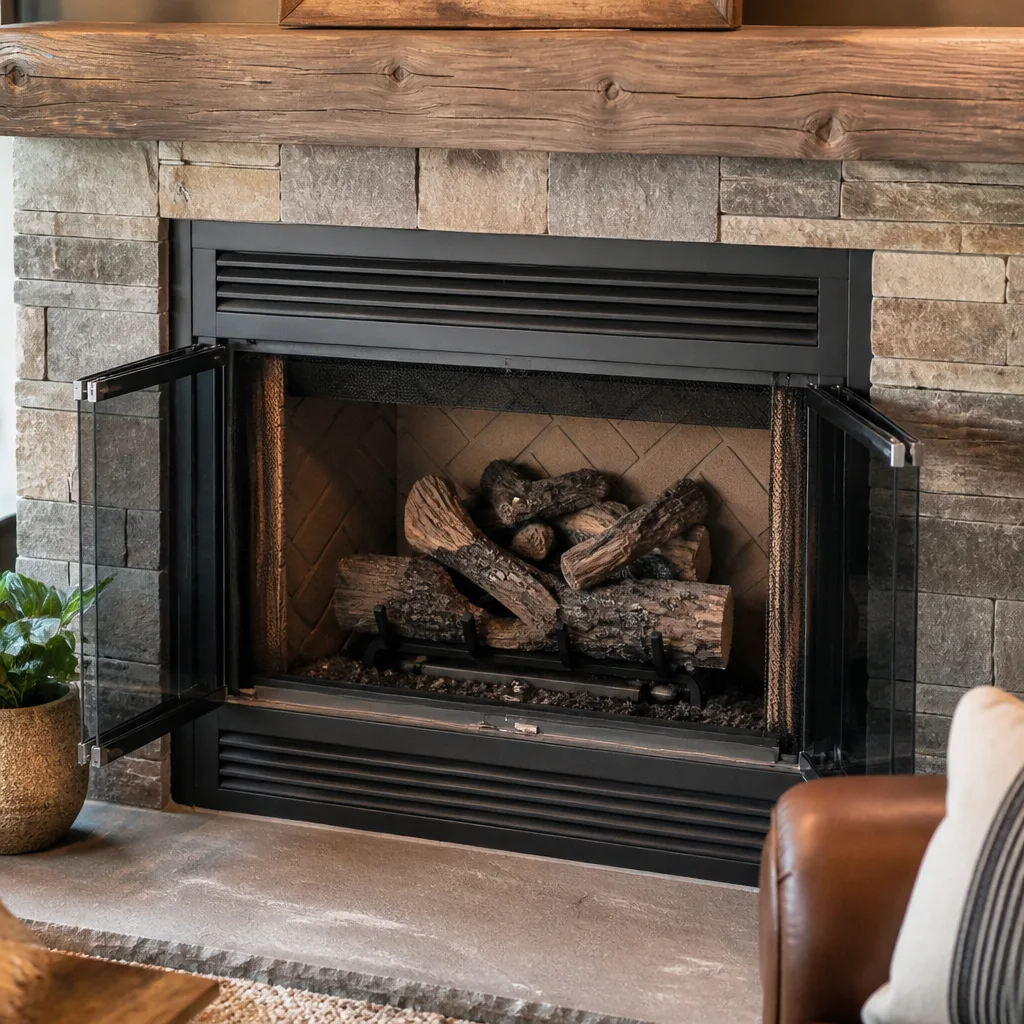 Gas fireplace service
Level 1 sweep and inspection to the NFPA 211 annual standard - flue, crown, cap, and flashing checked and photographed
Chimney sweep logs do not sweep chimneys. They loosen some creosote - which then falls where a brush and vacuum still have to collect it.
The Complete Guide to Chimney Cleaning in St. Paul
St. Paul’s oldest neighborhoods hold more pre-1950 masonry chimneys per block than almost any city in the Upper Midwest, and most of those flues are being maintained with standards written for newer construction. A cleaning protocol designed for a factory-built insert or a modern stainless flue doesn’t map onto a hand-built clay-tile chimney in the middle of a Minnesota freeze-thaw cycle. The difference shows up quietly: in a flue that draft tests fine in October and stalls in January, or in glazed creosote that a once-over brushing never touches. This guide covers how chimney cleaning in St. Paul actually works – the creosote stages that decide the service, what the shoulder seasons do to a flue, how NFPA 211 maps to the city’s housing stock, and how to read an inspection report without guessing. It’s written for homeowners who want a technician’s answer, not a sales pitch.
Quick Answer
Chimney cleaning in St. Paul means sweeping the flue of a wood-burning or gas appliance to remove creosote, soot, and blockage, then inspecting the liner and all connected components while the chimney is opened up. Most St. Paul masonry chimneys with a clay-tile liner need sweeping once a year if they’re used regularly, and every chimney needs a Level II inspection at the time of sale, after a chimney fire, or when the appliance or fuel type changes. Cold-climate performance is the deciding factor: a sweep is only “done” when the technician can confirm the flue is clear, the liner is intact, and the cap and flashing are keeping weather out.
Styles & brands we work with
- Sweep & inspection
- Caps & crowns
- Flue relining
- Masonry repair
- Gas fireplace service
Table of Contents
- Why St. Paul Chimneys Are Different
- Creosote Stages and What Each One Means for Your Chimney
- The October and March Problem: Glazed Creosote in a Cold Climate
- What NFPA 211 Requires and How St. Paul Code Fits In
- How a Professional Chimney Cleaning Works
- How to Read a Level II Inspection Report
- When to Clean and When to Wait
Why St. Paul Chimneys Are Different
The housing stock in St. Paul is the story here. Neighborhoods like Summit Hill, Cathedral Hill, and the West Seventh corridor are dense with masonry chimneys built before 1950, and many of them serve interior flues on three-story homes. Those chimneys were built for open fireplaces and coal-fired heating, not for the modern inserts and gas appliances that now sit inside them. A chimney built in 1925 has a clay-tile liner with joints every two feet, a crown that is almost certainly thin, and a smoke chamber shaped for an era with different draft expectations. None of that is a problem on its own – but every cleaning protocol has to account for it.
The structural difference matters more than most homeowners realize:
- Masonry chimneys have a brick-and-mortar exterior, a clay-tile or cast-in-place liner, and a smoke chamber at the base. Sweeping requires rod tools that reach the full flue height and a brush sized to the tile, not a generic one-size brush that leaves glazed creosote behind or damages joints.
- Prefab systems have a stainless steel or galvanized liner with metal connections and often a factory-built firebox. Cleaning is faster, but damage is easier to cause with the wrong brush, and clearances are measured in inches.
- Interior multi-flue chimneys – common in St. Paul’s older multi-story homes – serve multiple appliances through one masonry mass. Cleaning one flue without checking the adjacent flues is a partial job, because liner failure can cross from one channel to another.
We specify DuraFlex flexible liner systems when a masonry flue has deteriorated past the point where a cleaning-only approach makes sense. The reason is functional: a DuraFlex liner is sized to the appliance, rated for the temperature, and keeps combustion products in a sealed channel rather than against aged brick. That is the difference between solving the problem and cleaning around it.
Creosote Stages and What Each One Means for Your Chimney
Creosote is the residue that condenses inside a flue when wood burns incompletely and the gases cool before they exit. It has three recognizable stages, and the stage determines whether the chimney gets a sweep, a liner inspection, or a repair recommendation. This is the most important concept in chimney cleaning in St. Paul because the stage – not the calendar – sets the service.
- Stage 1: Soot and light flaky creosote. This is what a normal annual sweep removes. Brushing with a properly sized flue brush clears it. The liner should be inspected visually and, where access allows, with a camera, but no repair is typically indicated unless something else is wrong.
- Stage 2: Crusty, flaky, or brittle deposits. Brushing handles most of this, but it often exposes liner joints or surface deterioration underneath. Stage 2 is the stage where we recommend a camera inspection of the full flue, including the top and smoke chamber, because what’s underneath the creosote is what matters.
- Stage 3: Glazed, hardened creosote. This has the appearance of tar or glass and cannot be removed by standard brushing. It requires either a chemical creosote treatment or physical removal, and it nearly always triggers a liner inspection because glaze forms against a liner that has been running wet or undersized. Stage 3 is the most common cause of a chimney fire and the most common reason a cleaning turns into a repair discussion.
HeatShield resurfacing exists for the gray area between cleaning and relining. When a clay-tile liner has cracks or spalling but the chimney structure is otherwise sound, HeatShield is applied to resurface the flue from the inside without demolition. That’s the repair path that saves the most cost compared to a full reline, and it’s the one we specify most often on pre-war St. Paul masonry.
The October and March Problem: Glazed Creosote in a Cold Climate
Most chimney fires don’t start in January. They start in October and March, when Minnesota temperatures swing enough that the flue is warm during the burn and cold by morning. Those are the shoulder seasons, and they produce the highest condensation-related glazed creosote buildup of the year. The reason is simple physics: combustion gases cool fast against a cold flue wall, and when the flue wall drops below the dew point of those gases, the tars condense as glaze rather than escaping.
St. Paul sits right in the middle of that swing. October has warm afternoons and cold nights; March brings thaw-refreeze cycles that keep a masonry chimney’s exterior wall cold well into the afternoon. A fire that runs hot in the morning and smolders in the evening pushes warm, wet combustion products up through a flue that is already cold on the outside. The creosote that forms under those conditions is the kind that hardens and sticks – Stage 3 territory – and it is not removed by brushing.
What this means for a St. Paul homeowner:
- The most useful sweep of the year is usually scheduled in late summer or early fall, before the first cold-weather burn, so the flue starts the season clean.
- A mid-season inspection in March catches glazed creosote before the next burn cycle deposits a second layer on top of it.
- All-metal caps and properly fitted top plates reduce the cold-wall condensation problem because they keep the flue termination warmer and block rain and snowmelt from running down the inside of the chimney.
We use Gelco caps and flashing on St. Paul chimneys because a properly fitted termination is the single most effective passive defense against condensation-driven creosote and water intrusion through the crown. We’ll come back to that in the repair sections.
What NFPA 211 Requires and How St. Paul Code Fits In
NFPA 211 is the National Fire Protection Association standard for chimneys, fireplaces, vents, and solid fuel-burning appliances, and it’s the standard Minnesota homeowners are held to in practice. It doesn’t have the force of a municipal ordinance, but it’s what a licensed inspector uses, what an insurer references, and what a St. Paul fire investigator will typically point to when a chimney-related fire is investigated. Three sections of NFPA 211 matter most for routine upkeep:
- Annual inspection. Chimneys, fireplaces, and vents are to be inspected at least once a year, and cleaned as often as needed to keep the system safe. “Inspected” is not the same as “swept” – a sweep is performed when the inspection finds enough creosote or blockage to justify it.
- Level II inspection triggers. NFPA 211 calls for a Level II inspection upon a change in appliance or fuel type, after a chimney fire or other event that could damage the system, and at the time a property changes hands. The St. Paul housing market runs on pre-sale inspections, and this is the clause that drives most of them.
- Clearances and liner integrity. The standard requires the flue to maintain clearance from combustibles and to be free of cracks, gaps, or other openings that could let heat or gases escape. A deteriorated clay-tile liner with visible cracks fails on this point, not because of creosote but because of the structure.
Local fire code in St. Paul does not replace NFPA 211; it layers on top of it. The practical takeaway for a homeowner is this: if an inspection report cites NFPA 211, it is citing the standard your insurer, your buyer’s inspector, and your technician will all be working from. If a report cites “general wear” without a specific NFPA 211 reference, ask which section applies and why. That’s not a trick question – a good report will tell you.
How a Professional Chimney Cleaning Works
A professional chimney cleaning follows a sequence, and knowing the sequence is the best way to tell a thorough job from a rushed one. This is the process on a typical St. Paul masonry chimney with a clay-tile liner and a wood-burning appliance.
- Pre-clean assessment. The technician inspects the firebox, damper, smoke chamber, and the chimney exterior before any tool goes up the flue. Blockages, birds’ nests, and damaged dampers are noted. This step often happens before the drop cloths go down, because it changes the plan.
- Protection of the living space. Drop cloths, a HEPA vacuum at the firebox, and sealed plastic at the fireplace opening. A cleaning without these is a cleaning that leaves soot on furnishings.
- Flue brushing. A brush sized to the liner is run the full height of the flue, top to bottom or bottom to top depending on the chimney. Poly brushes for clay tile, and the right brush rigidity matters: too stiff and the joints take damage; too soft and the glaze stays behind.
- Smoke chamber and damper cleaning. The smoke chamber is the tapered space above the damper and it’s where creosote builds in the shape of the chamber walls. It gets brushed separately.
- Firebox cleaning. Ash, soot, and debris removed from the firebox floor and walls.
- Inspection during and after the clean. With the flue open and clear, the technician checks the liner for cracks, the crown for deterioration, the flashing at the roofline, and the cap. What gets found gets photographed.
- Written report. Each finding is documented in writing and tied to a recommendation: monitor, repair before next use, or nothing to do.
A sweep is complete only when every one of those steps is done. That’s why we run sweep, repair, and inspection as one scope rather than handing the customer off to a separate inspector after the work is finished. If a component needs fixing, the same report documents it.
How to Read a Level II Inspection Report
A Level II inspection is the most detailed of the three NFPA 211 inspection levels, and it is the one most St. Paul homeowners receive during a real estate transaction or after a suspected chimney fire. It includes a camera inspection of accessible flue interiors, inspection of all accessible portions of the chimney exterior and interior, and a written report of the findings. The report is where the least information and the most information both live, because the two most common recommendation words – “monitor” and “repair before next use” – mean very different things.
“Monitor” means the finding is present but not a current safety concern and not expected to worsen quickly on its own. A hairline crack in the crown, light spalling on the exterior, or minor surface wear on a clay tile that isn’t open through the liner – those are monitor findings. The right response is to check them at the next annual inspection, not to schedule work now.
“Repair before next use” means the condition could allow heat, gases, or water to escape the system during operation. Open cracks in the flue liner, missing or damaged crown sections, failed flashing, or a cap that has detached are repair-before-next-use findings. The right response is to have the repair specified before the next burn, whether that’s a HeatShield resurfacing on a deteriorated liner, a Gelco cap replacement, or liner joint repair.
Two practical rules for reading a report:
- Ask which NFPA 211 section each finding ties to. A report that doesn’t cite the standard is a report worth questioning.
- Ask for the photos. A camera inspection produces evidence, and the evidence should be in the report. If the report is text-only and you don’t have the photos, ask for them.
If your inspector or sweep can’t produce a written report with photos and standards references, that’s the finding.
When to Clean and When to Wait
The simplest answer is the one most St. Paul homeowners need: if the appliance has been burned more than a cord of wood in the last year, the chimney is due for inspection and likely for a sweep. The longer answer depends on use, fuel type, and the liner. Here’s how we think about it.
Sweep annually if: you burn wood regularly in a masonry fireplace or insert; you burn oil or gas and the chimney serves the venting appliance; you notice soot falling into the firebox or onto the hearth; you smell creosote when the fireplace is off; or your fire smokes back into the room.
Inspect but likely don’t need a full sweep if: the fireplace is decorative and unused; you have a modern prefab system with a stainless liner and light use; or the previous owner’s records show a sweep within the last 12 months.
Repair before next use regardless of cleaning if: there’s a visible crack through a clay-tile liner; the crown is significantly deteriorated; the cap or top plate is missing; or the flashing at the roof line has failed. Those aren’t cleaning issues – they’re structural ones, and no amount of sweeping fixes them.
If you’re not sure which category you’re in, an inspection answers it. The written report tells you whether the next step is cleaning, repair, or monitoring, with the photos to back it up.
Common Mistakes to Avoid
- Treating a St. Paul masonry chimney like a modern prefab flue. A brush sized for a stainless liner can damage clay-tile joints, and a process designed for a factory-built fireplace misses the smoke chamber and the liner cracks that matter on 100-year-old masonry.
- Cleaning without inspecting. A sweep that removes creosote but skips the liner inspection leaves the structural findings – cracks, failed joints, crown damage – unchecked. Cleaning and inspection are one scope, not two.
- Assuming a “monitor” finding is a problem. A holdover from the inspection reporting conventions: some homeowners see “monitor” in a report and assume repair is required. It usually isn’t. The reverse error is worse – treating “repair before next use” as a scheduling preference.
- Waiting for a smell or a smoke issue before booking a cleaning. A clean flue and a safe flue aren’t the same thing. The dangerous findings – glazed creosote, liner cracks – don’t announce themselves.
- Using an unsized brush or a shop vacuum for the flue. A shop vacuum is not an HEPA unit, and brushing with the wrong brush size either leaves glaze behind or damages tile. Either way, the cleaning is incomplete or the flue is worse for it.
- Skipping the shoulder-season inspection because “we only burned a little this year.” October and March produce the most condensation-driven glazed creosote per cord of wood burned. Light use in a shoulder season can deposit more glaze than heavier use in mid-winter.
- Letting a real estate inspection stand in for an annual maintenance inspection. A Level II inspection for a sale tells the buyer what condition the chimney is in. An annual maintenance inspection keeps the system on a schedule after closing. They serve different purposes.
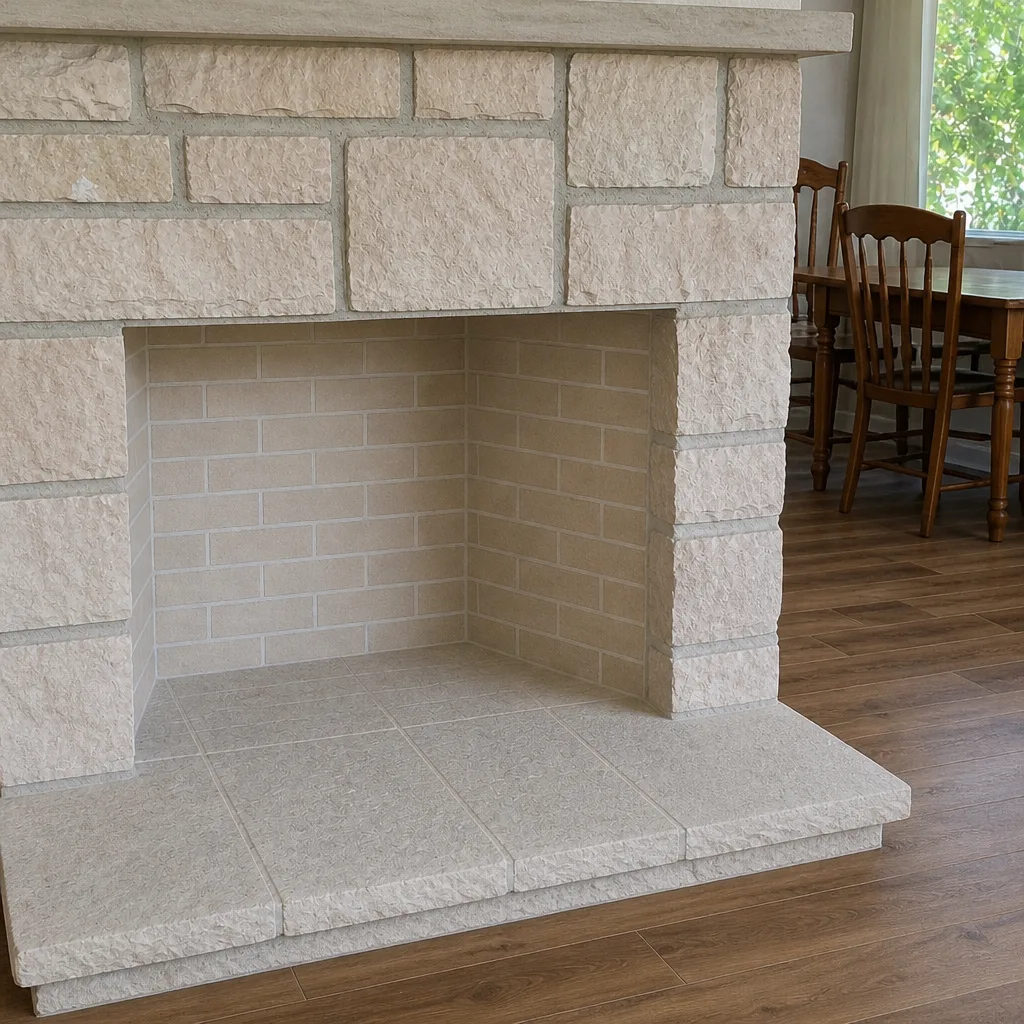
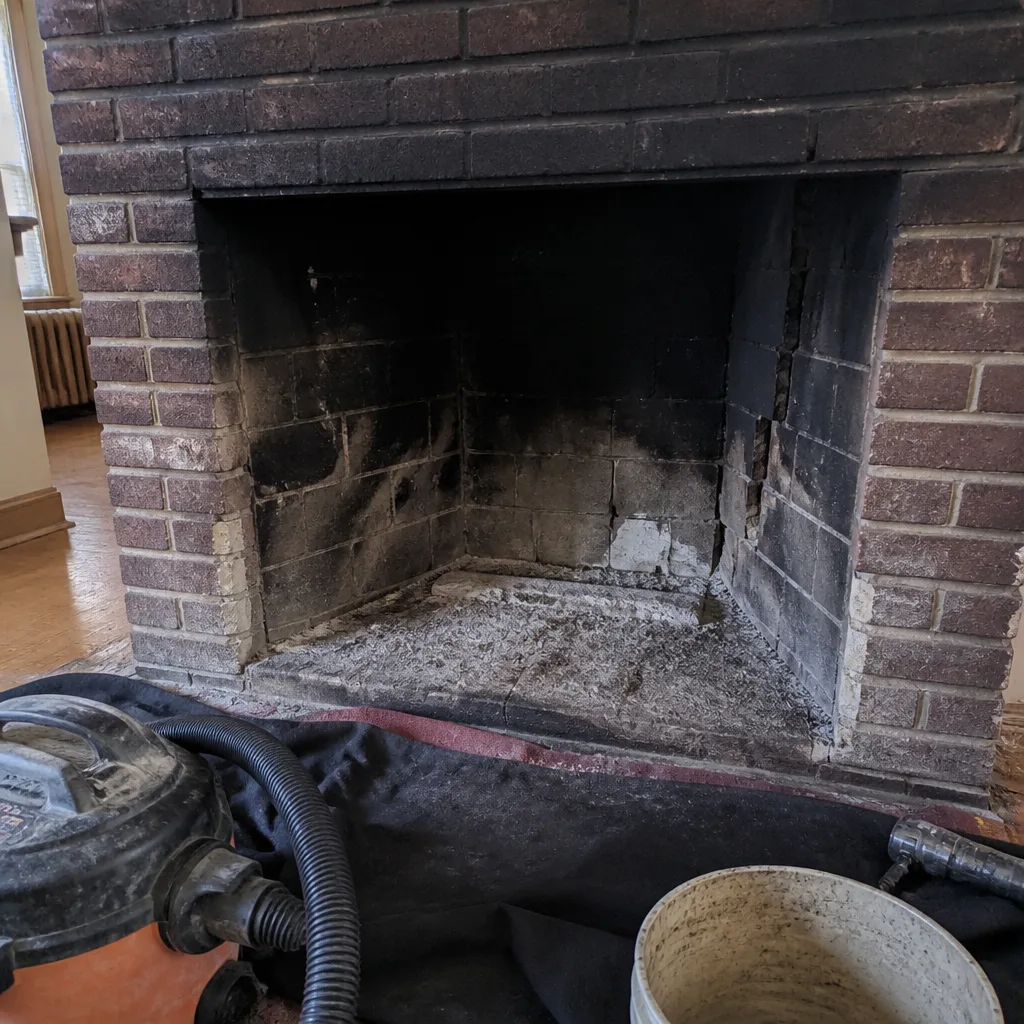
See the difference
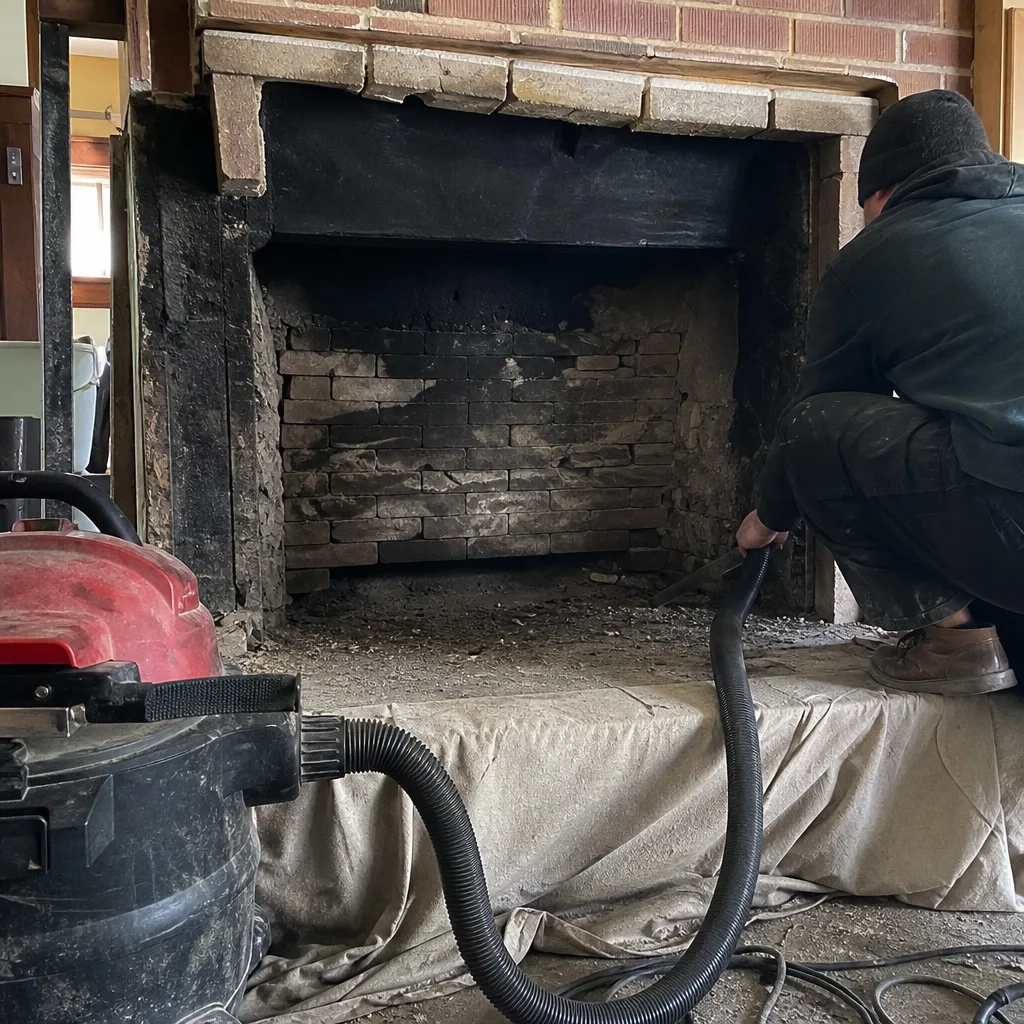 Before
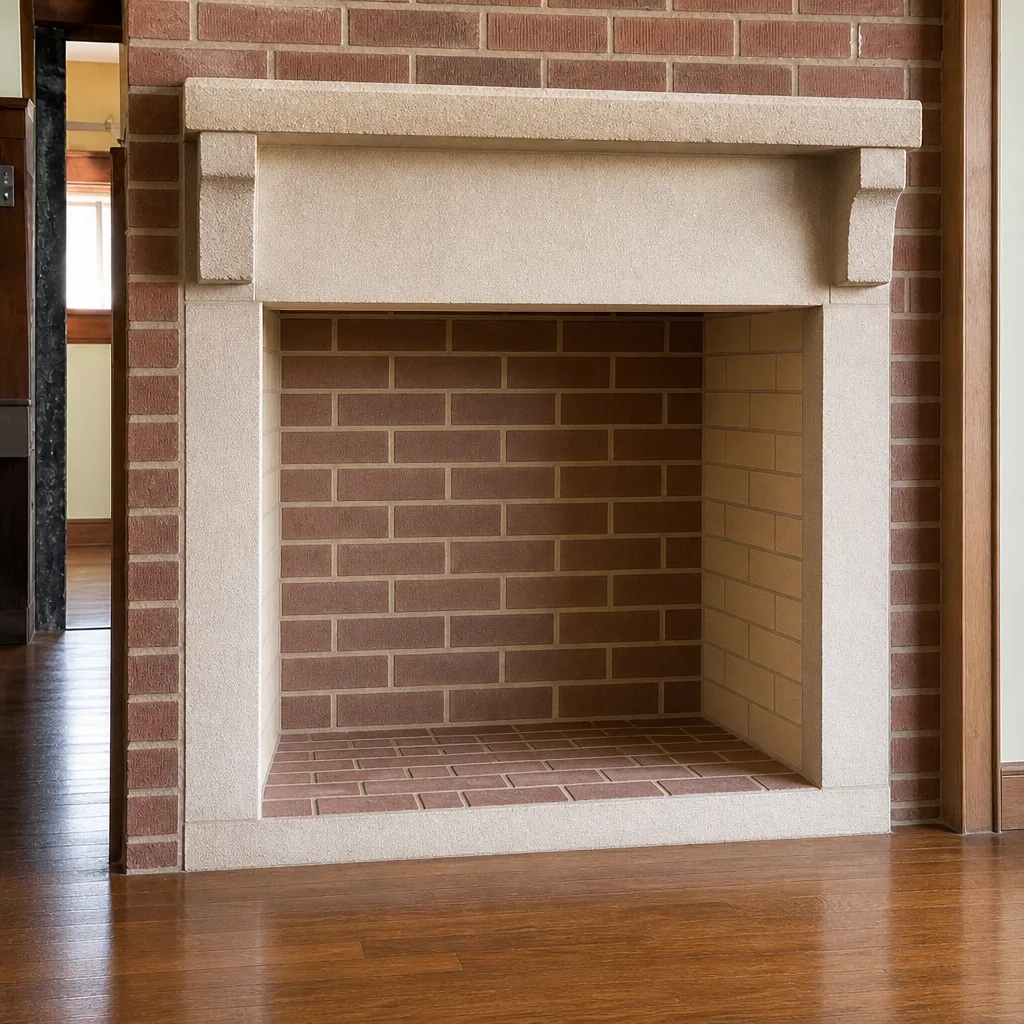 After
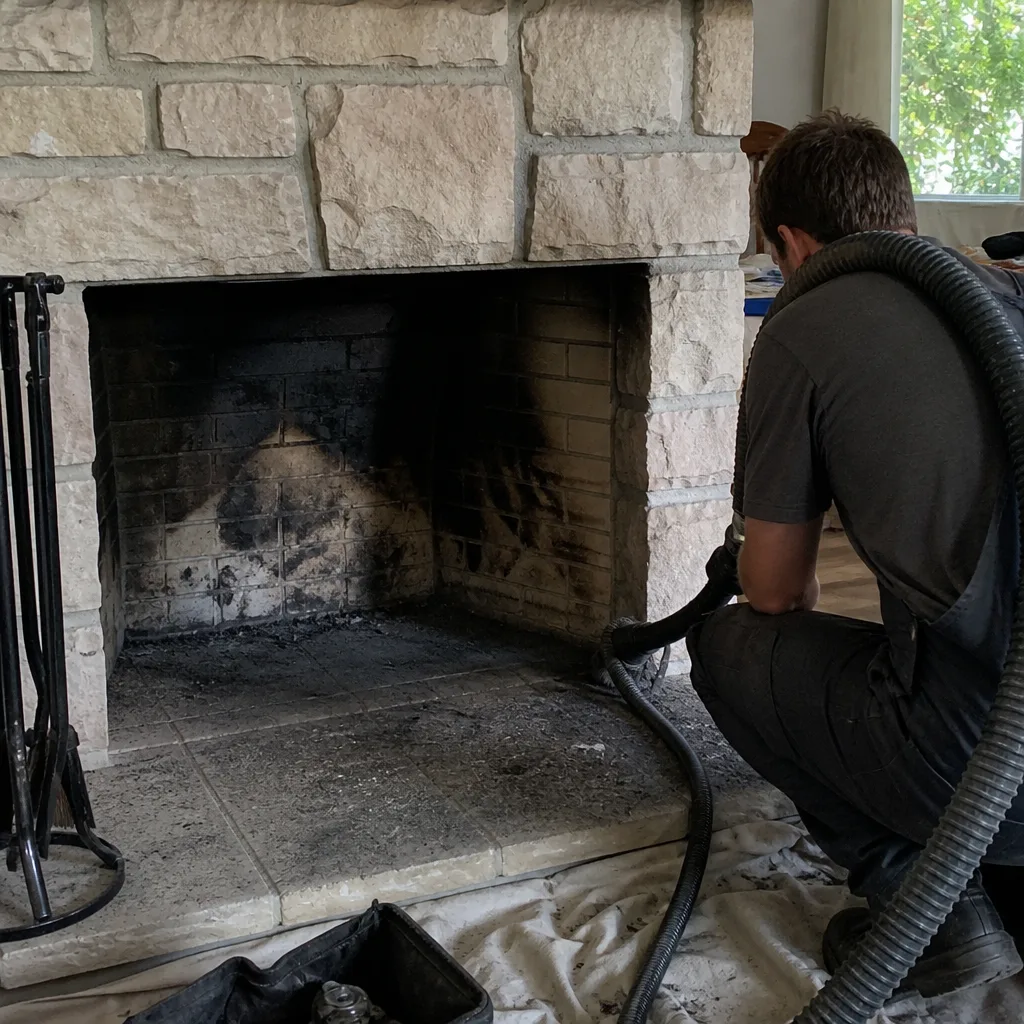 Before
 After
 Before
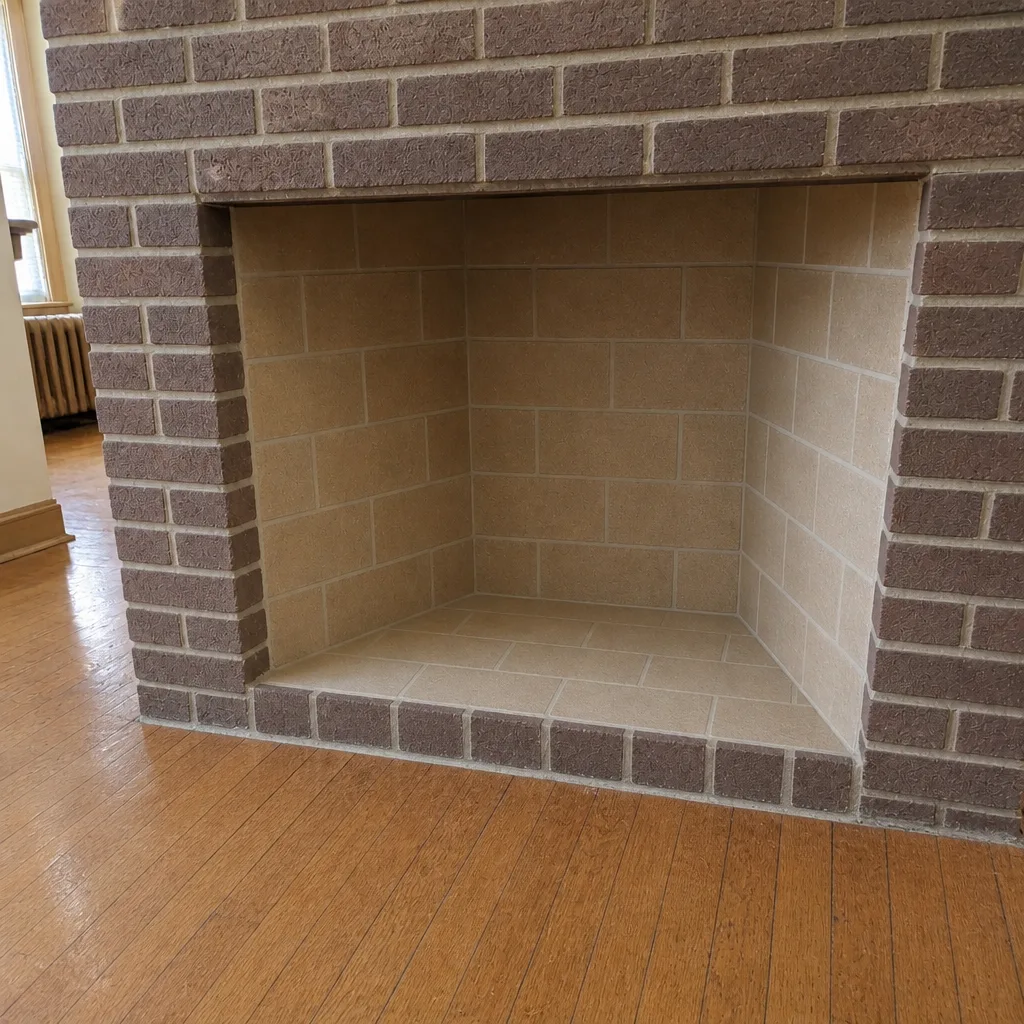 After
When to Call a Professional
Call a technician, not a general handyman, in these situations: any crack visible through the liner; a cap or top plate that has detached or rusted through; soot or creosote visible from the roof; smoke backing into the room when you burn; a strong creosote smell when the fireplace is cold; any event that looked like a chimney fire – a roaring sound, a hot flue, or puffs of smoke that came through the firebox; or a Level II inspection with a finding labeled “repair before next use.” The stakes are real: split and cracked liners allow heat to reach the combustible framing, and blocked flues force carbon monoxide back into the living space instead of up and out. Tundra Chimney Sweep offers free estimates in St. Paul – call (866) 942-6061. We answer 24/7. Fast dispatch from 7am to 7pm, Sunday through Friday.
Frequently Asked Questions
Most St. Paul chimney cleaning of a standard masonry flue is a per-job estimate based on the appliance, liner, height, and accessibility, and the written estimate sets the final price before any work is scheduled. The cost varies with the chimney: a straightforward single-flue sweep on a one-story masonry chimney prices differently than a multi-flue interior chimney with roof access issues. Call (866) 942-6061 for an exact quote – estimates are free.
Once per heating season for a chimney serving a regularly used wood-burning appliance, and at least annually for inspection on every chimney. NFPA 211 calls for annual inspection and cleaning as often as needed to keep the system safe. A chimney used lightly still needs the annual inspection, because inspection findings and cleaning findings are different things.
A sweep removes creosote and soot from the flue; an inspection evaluates the chimney’s condition and documents what was found. The two are performed together because the flue has to be open and clear before the liner can be properly inspected. At Tundra Chimney Sweep, sweep, repair, and inspection are run under one scope so the customer isn’t coordinating separate appointments. Call (866) 942-6061 to book a combined visit.
Many deteriorated clay-tile liners can be resurfaced with HeatShield rather than fully relined. HeatShield is applied to the interior of the flue to create a smooth, sealed channel without removing the existing liner, which saves the demolition cost of a full reline. A full DuraFlex liner is specified when the existing liner can’t be resurfaced – for example, after an oil-to-gas conversion, when the flue is oversized for the appliance, or when structural damage goes past the surface. The right answer depends on the camera inspection, which is why the photo report comes first.
Creosote builds in stages, and the later stages are hard, glazed, and flammable. Eventual consequences include a flue fire, a draft failure that pushes carbon monoxide back into the home, and accelerated damage to the clay liner from moisture and acid that stay against the tile longer. Skipping one season rarely produces an emergency; skipping several in a row is how a manageable sweep becomes a reline job. Call (866) 942-6061 to schedule a sweep and get the report before a small cost becomes a large one.
Some signals are visible from inside the home: soot on the firebox walls, a strong creosote smell when the fireplace is cold, smoke backing into the room, or a noticeable buildup on the damper. What you can’t see from inside is the liner condition, the crown, the flashing, and the top of the flue. That’s why an inspection is part of every visit. If a sweep were unnecessary, the inspection would say so – and the report would show it.
The Bottom Line
Chimney cleaning in St. Paul is not a generic annual chore – it’s a system-specific procedure shaped by the city’s masonry housing stock, its freeze-thaw cycles, and the way wood is actually burned in this climate. The stage of creosote in the flue decides whether the chimney gets a sweep, a resurfacing, or a reline, and the shoulder seasons are when the most damaging deposits form. Read the inspection report the way a technician reads it: monitor findings can wait to the next inspection; repair-before-next-use findings need attention before the next burn; and nothing should be recommended without camera evidence you can see. When it’s time for a professional to look, call (866) 942-6061 for a free estimate. Direct all your chimney system questions to the same team that does the work.
For a closer look at our part of the metro, see our St. Paul service area and our chimney sweep and chimney repair services, or learn about Tundra Chimney Sweep and how we handle St. Paul chimney work from sweep through inspection.
Written by the team at Tundra Chimney Sweep.