
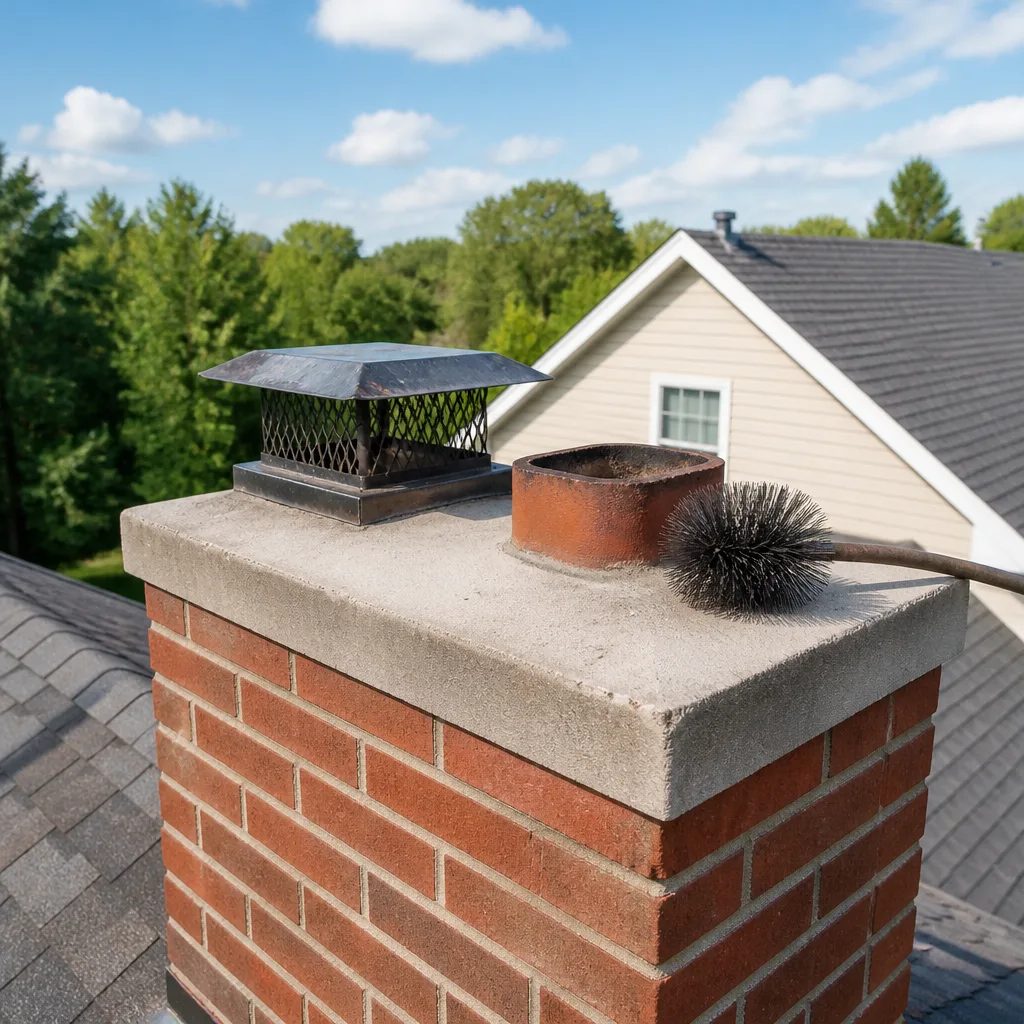
 Sweep & inspection
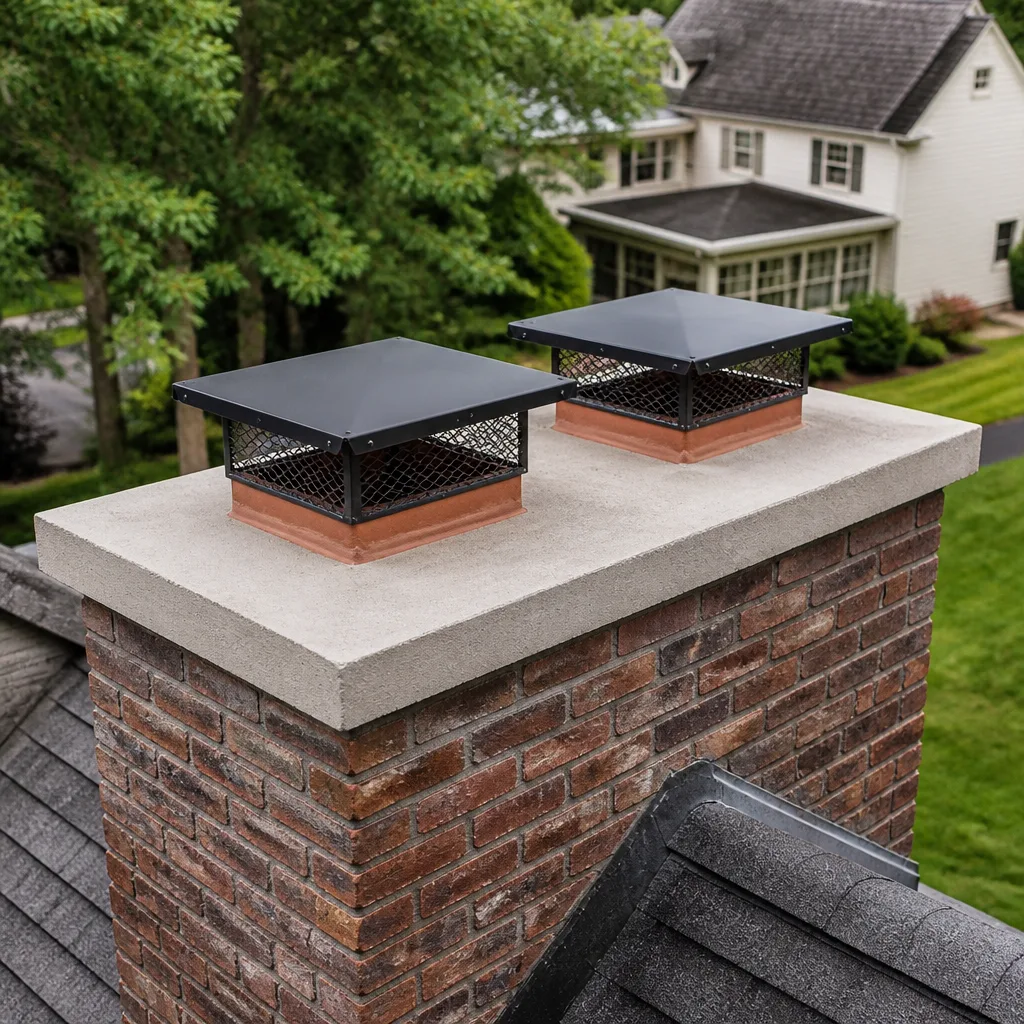 Caps & crowns
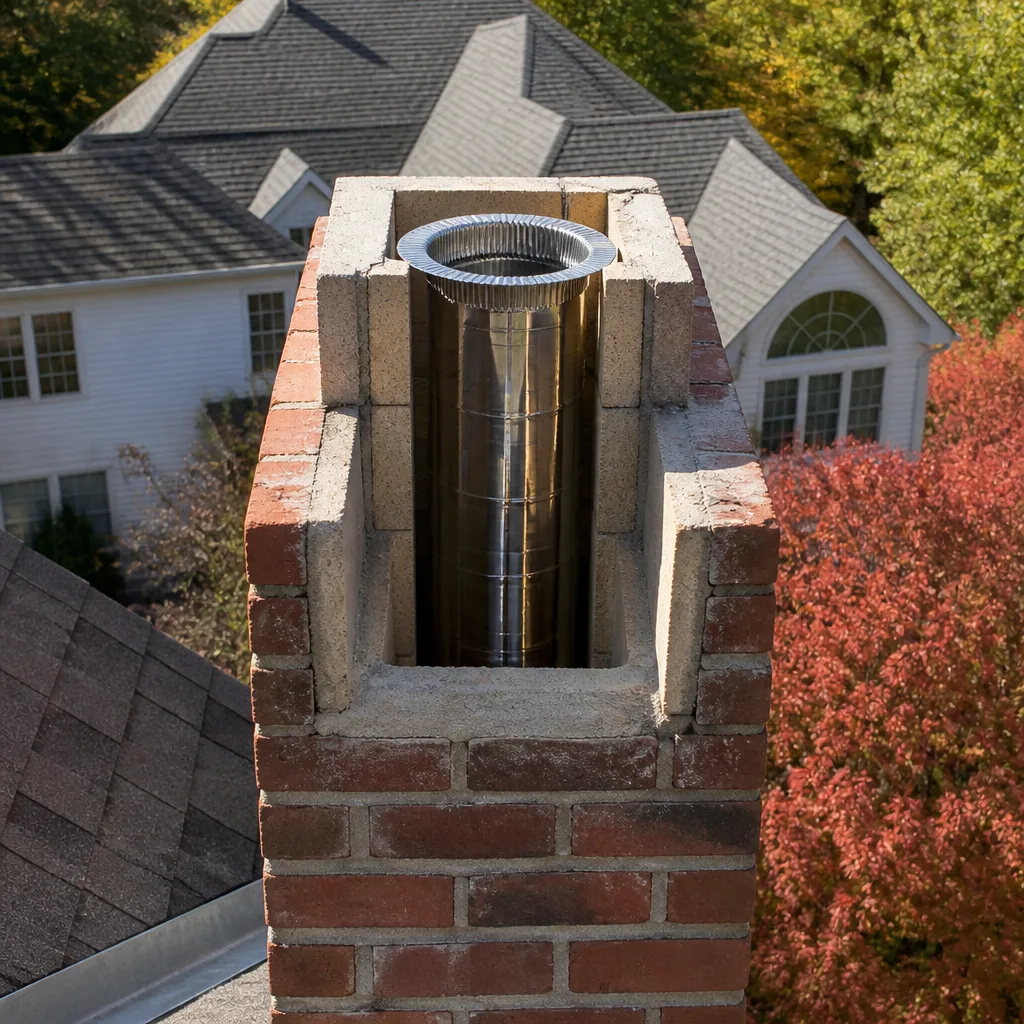 Flue relining
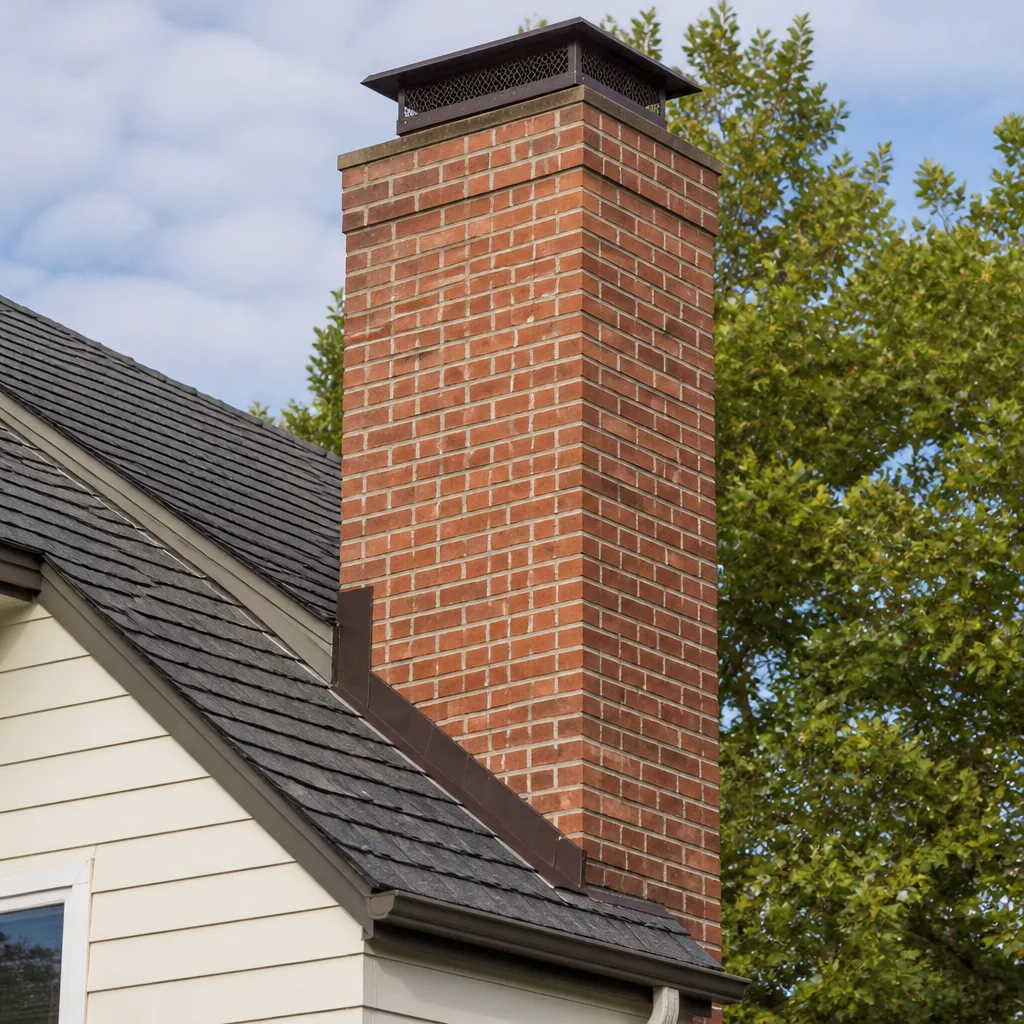 Masonry repair
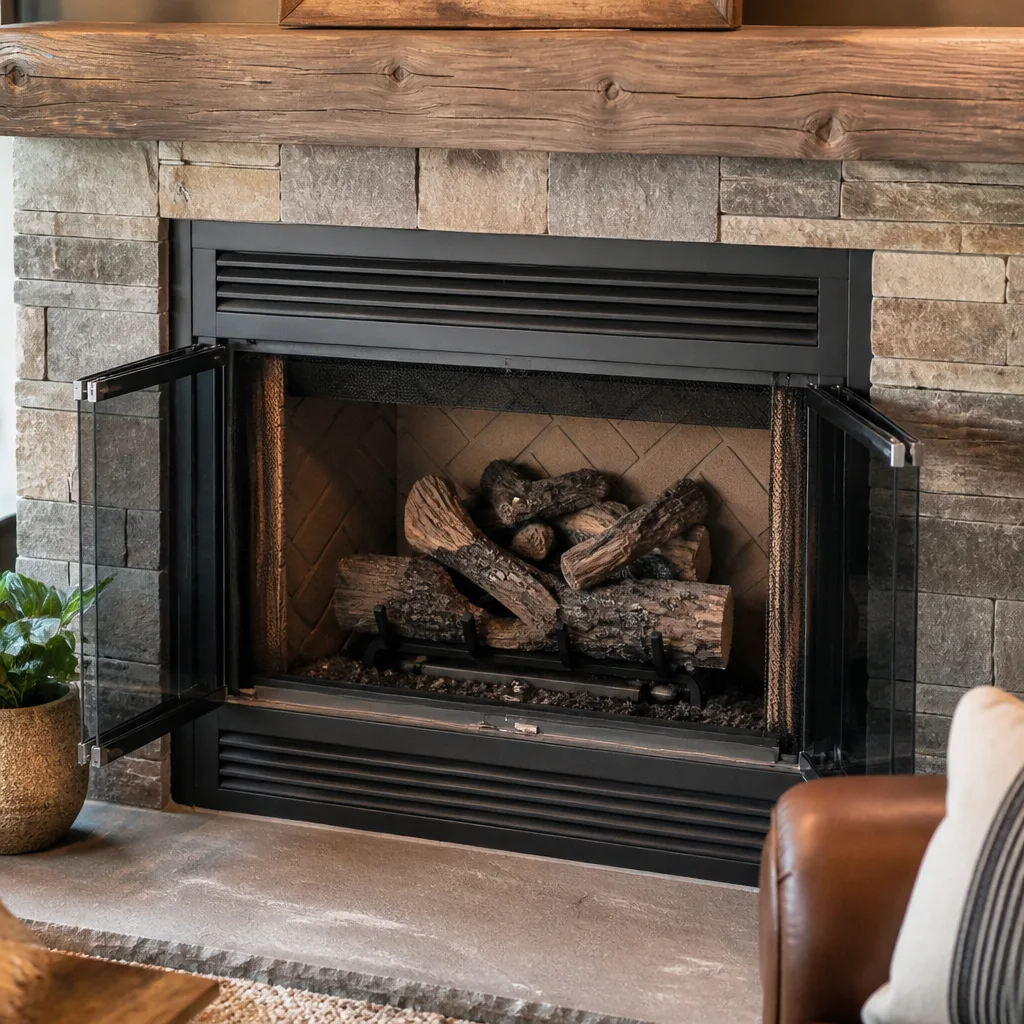 Gas fireplace service
Level 1 sweep and inspection to the NFPA 211 annual standard - flue, crown, cap, and flashing checked and photographed
Chimney sweep logs do not sweep chimneys. They loosen some creosote - which then falls where a brush and vacuum still have to collect it.
Styles & brands we work with
- Sweep & inspection
- Caps & crowns
- Flue relining
- Masonry repair
- Gas fireplace service
See the difference
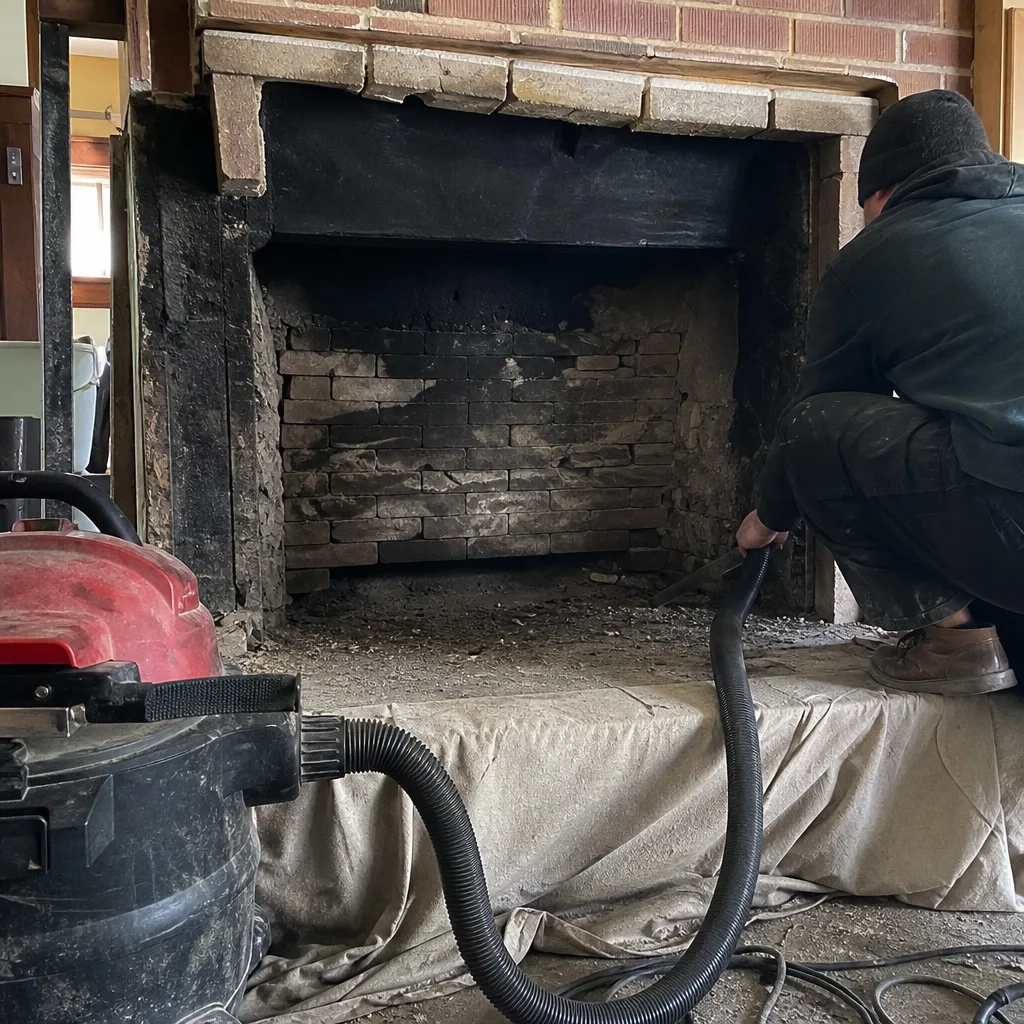 Before
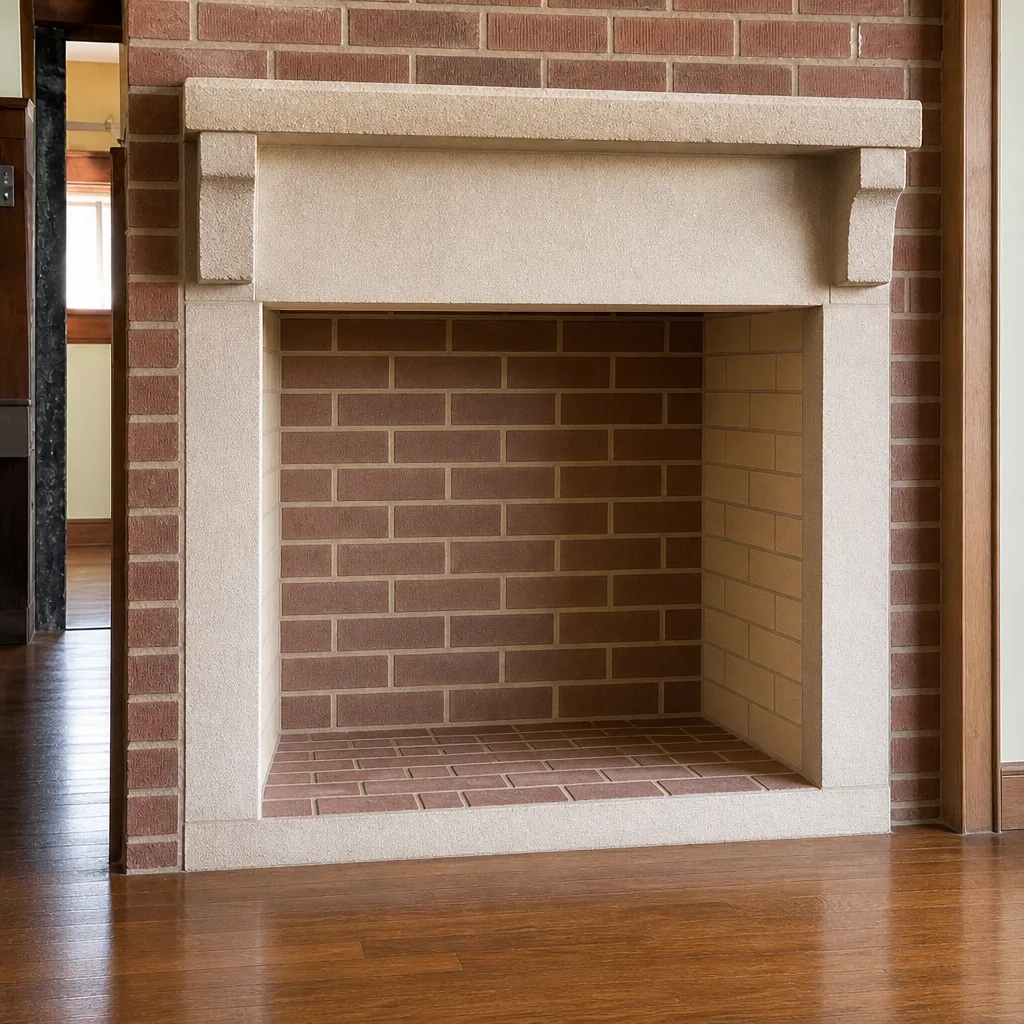 After
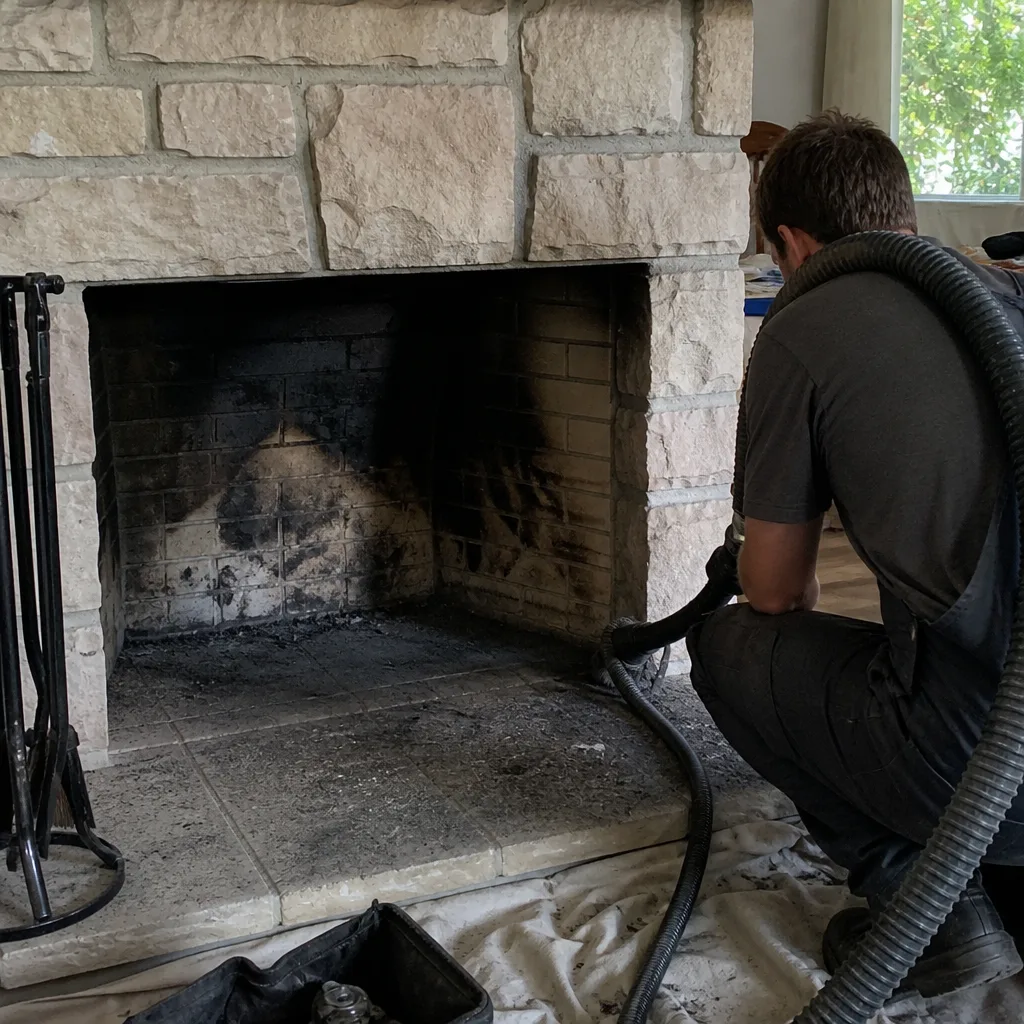 Before
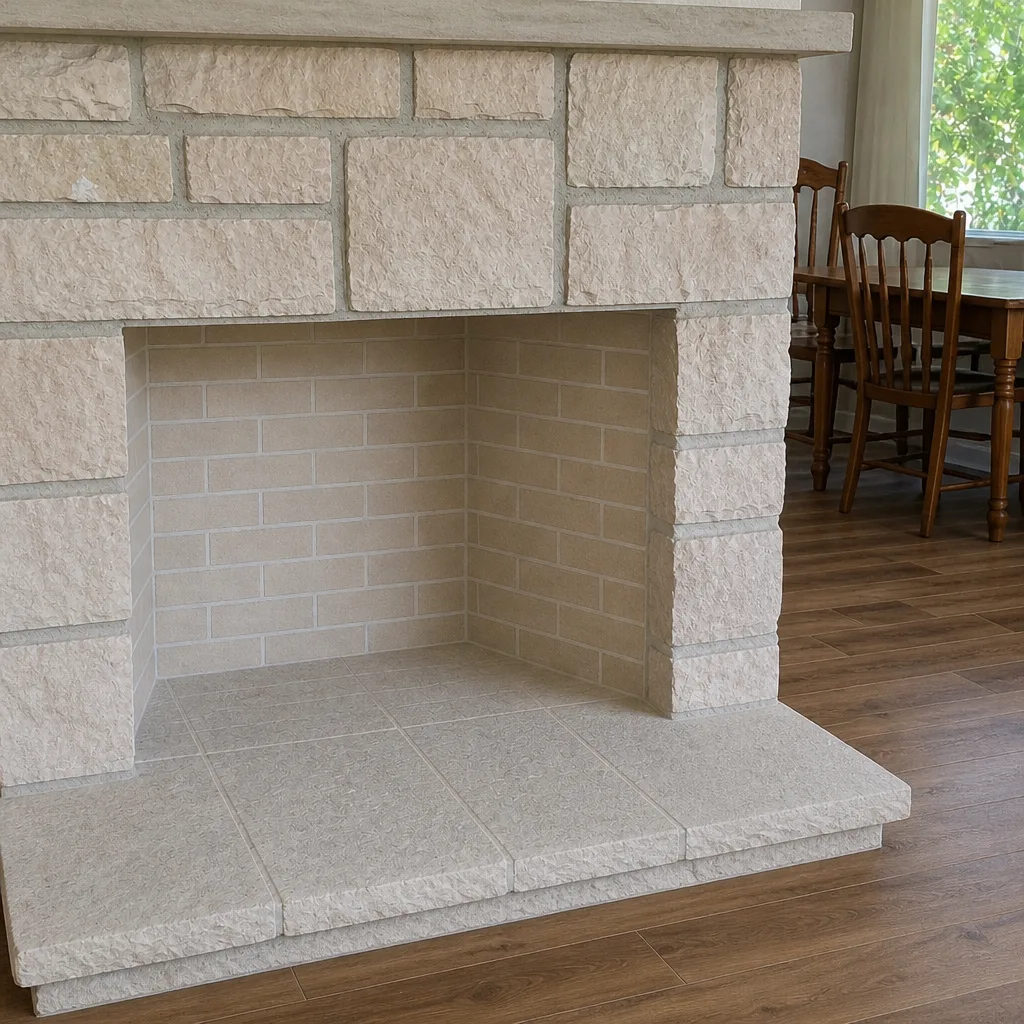 After
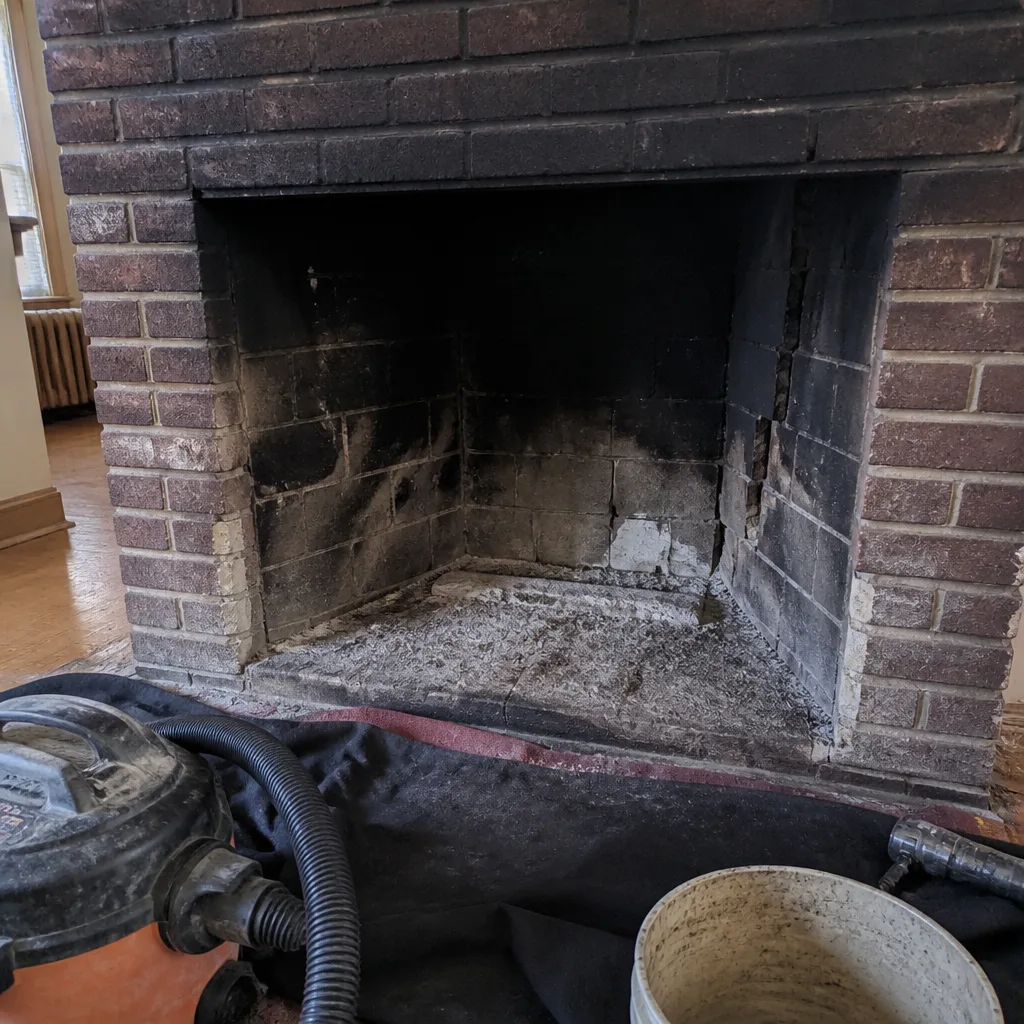 Before
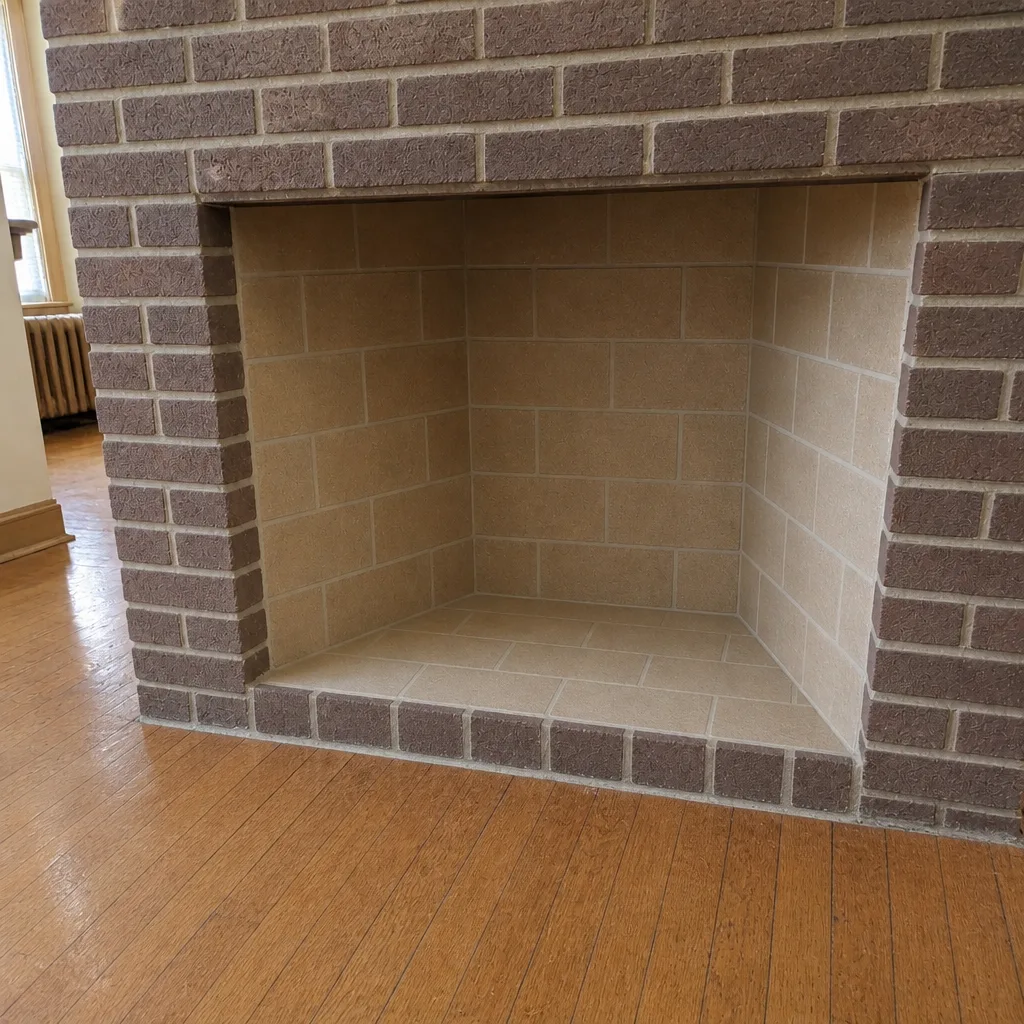 After
How Much Does Chimney Cap & Crown Cost in St. Paul?
Chimney cap and crown work in St. Paul typically runs $185 to $520 for a cap and $450 to $1,400 for a crown rebuild, installed. A standard single-flue stainless cap with a properly fitted base lands near the middle of that range, while a masonry crown that has cracked through and needs to be re-poured with correct slope and overhang sits at the top. We set the exact price with a written estimate after we look at the flue, so the number on paper is the number you pay.
These two parts sit at the top of your chimney and take the worst of a Minnesota year: snow load, freeze-thaw cycling in late winter and spring, and rain driven sideways by wind. When either one fails, water gets into the flue and the structure below starts to pay for it. Getting them right the first time is one of the cheaper ways to protect a chimney system, and it’s the kind of work we specify for cold-weather performance rather than for a mild climate. Call (866) 942-6061 for a free estimate. We answer 24/7, with fast dispatch from 7am to 7pm, Sunday through Friday.
Key Takeaways
- Most St. Paul cap jobs fall between $185 and $520; most crown rebuilds between $450 and $1,400.
- A cap keeps rain, birds and squirrels out of the flue; a crown sheds water off the masonry stack itself.
- A cracked crown is the most common cause of water damage we find on St. Paul masonry chimneys.
- Caps go on in a single visit; crowns need cure time, so plan around the weather.
- Free estimates, and the written estimate sets the final price. We answer 24/7.
Chimney Cap & Crown Cost Breakdown (2026)
Here’s what each piece of the work typically costs in the St. Paul market. These are estimated ranges for planning, not quotes.
| Line Item | Typical Cost Range | What It Covers |
|---|---|---|
| Single-flue stainless steel cap | $185 – $340 | Cap, fitted base, and installation on one flue |
| Multi-flue cap (two to three flues) | $320 – $520 | Larger custom cap spanning the whole stack |
| Copper cap | $400 – $850 | Copper top and base, sized to the flue |
| Custom cap for oversize or odd flue | $300 – $600 | Fabricated to fit a flue that stock sizes won’t cover |
| Crown inspection and minor crack sealing | $150 – $325 | Patching hairline cracks and sealing the crown edge |
| Crown rebuild (standard masonry) | $450 – $1,400 | Removing failed crown, re-casting with proper slope and overhang |
| Crown rebuild with crown coating system | $600 – $1,100 | Flexible coating over a sound crown or a re-cast crown |
| Flashing repair (caught during cap work) | $250 – $650 | Re-sealing or re-fabricating where the chimney meets the roof |
A few things move the price up or down. Flue count is the biggest one: a two-flue chimney needs a wider, longer cap, and the material cost climbs with it. The cap’s base has to fit the flue tile, and a masonry flue that’s out of square or an oversize clay tile calls for a custom-fabricated base instead of an off-the-shelf one. Crown work is priced by how much of the old crown has to come off. Hairline cracks can be sealed; a crown that has delaminated, lost its slope, or pulled away from the flue tile has to be rebuilt, and that’s where you land in the upper range. Access matters too. A chimney rising through a steep-pitch roof or tight against a dormer takes more time to set up safely, which we factor into the estimate.
We work with professional-grade lines for this kind of work: Famco and Gelco cap and flashing components for terminations that actually fit and keep water out, and Copperfield for copper where a homeowner wants the finish to last. We use these because a cap is only as good as its base and its fasteners, and a poorly fitted cap rattles loose in wind before its first winter is over.
What Affects Chimney Cap & Crown Pricing in St. Paul
- Number of flues. A single-flue chimney takes a smaller cap and a smaller outlay. A two- or three-flue stack needs a wider cap, sometimes a full-width one, and the price steps up with each flue.
- Masonry condition. If the crown has failed, water has usually been getting into the brick and mortar joints below it. When we find softened mortar or spalling brick at the top of the stack, that repair gets added to the crown job so the new crown has something sound to sit on.
- Flue material and size. A round metal flue and a square clay tile flue take different cap bases. An oversize masonry flue left from an old heating appliance is one of the cases where a custom-fit cap is the only thing that closes off the top properly.
- Roof pitch and height. This is St. Paul: plenty of homes on the bluffs and in the older neighborhoods sit on a steep roof with the chimney close to the ridge. Safe access and staging add time, and time is part of the estimate.
- Winter timing. Crown work is masonry work, and masonry needs a stretch of workable temperatures to cure. When the forecast turns hard, crown rebuilds get scheduled for a thaw or held until spring, while cap installations can usually still go ahead.
- Material choice. Stainless is the standard choice and the most cost-effective over time. Copper costs more up front and is chosen for appearance and for a very long service life.
St. Paul’s freeze-thaw pattern is the single biggest driver of crown damage in this market. Water soaks into a hairline crack in the fall, freezes overnight, expands, and widens the crack. Repeat that across a winter and spring, and a crown that looked fine in October is losing chunks by April. That cycle is why we treat the crown as a system component rather than a cosmetic cap on the top of the stack. A crown that sheds water correctly protects the flue tile and the masonry below it, and a cap on top of that keeps rain and animals out of the flue itself. When we look at a chimney, we’re looking at all of it together. You can read more about how we approach chimney systems on our Tundra Chimney Sweep page, or see our St. Paul service page for the full scope of what we do in the city.
How to Save on Chimney Cap & Crown
There’s no way around the material cost of a correctly fitted cap, but there are real ways to keep the total down.
- Catch the crown early. Sealing hairline cracks and re-coating a sound crown costs a fraction of a rebuild. If you have the crown looked at before the cracks widen, you stay in the low range rather than the high one.
- Combine the work. If you’re due for a sweep, have the crown and cap checked during the same visit. Finding a failing crown while the technician is already on the roof saves a second trip and a second set of setup costs.
- Fix flashing while the cap is going on. Flashing repairs done at the same time as cap work cost less than coming back to it separately, and both protect against the same water.
- Choose stainless over bargain caps. A cheap galvanized cap can rust through and need replacing within a few winters. A stainless cap from a professional-grade line lasts far longer, which spreads the cost across many seasons.
- Get the estimate in writing before any work starts. A written estimate that lists the cap, the crown work and any flashing repair line by line lets you compare fairly and decide what to do now versus later.
Estimates are free. Call (866) 942-6061 and we’ll come out, look at the crown and the flue, and put the numbers on paper. We answer 24/7, with fast dispatch from 7am to 7pm, Sunday through Friday, and a call outside those hours is booked into the next opening.
Can You Install a Chimney Cap the Same Day?
Yes, in most cases a chimney cap can be installed the same day we assess it. A standard stainless cap on a single flue is a straightforward job once we’ve confirmed the flue size and the base fit. Multi-flue and custom-fabricated caps can take a bit longer if the base has to be made to size, and we’ll tell you at the estimate which situation you’re in. Call (866) 942-6061 for a free estimate and we’ll book it in.
Do You Need a New Crown or Just a Repair?
Most crowns can be repaired if the cracks are hairline and the crown still holds its slope; a crown that has delaminated or pulled away from the flue needs a rebuild. We make that call by looking at the crown directly: is it shedding water, is the slope intact, and is the masonry underneath still sound? Minor repair typically runs $150 to $325; a rebuild typically runs $450 to $1,400. A crown coating system over a sound crown can extend its life and sits between the two. Call (866) 942-6061 for a free estimate and a straight answer on which one your chimney needs.
Is It Cheaper to Repair or Replace a Chimney Crown?
Repair is cheaper than replacement whenever the crown is still structurally sound, and that’s the case more often than homeowners expect. Sealing and coating a sound crown costs a fraction of a rebuild, and it buys years of service. Once the crown has lost its slope or broken apart, though, a rebuild is the only fix that actually keeps water out, and postponing it lets water into the masonry below. The rebuild range of $450 to $1,400 is still far less than repairing water-damaged brick and flue tile later. Call (866) 942-6061 for a free estimate and we’ll tell you which path your crown is on.
Why Does My Chimney Crown Keep Cracking?
Crowns crack because water gets in and freezes, and in St. Paul that cycle repeats hard every winter and spring. A crown poured too thin, with no overhang past the brick, or without a proper slope is the usual culprit; it takes on water at the edge and splits. The fix is a crown cast with correct thickness, slope and overhang so it sheds water off the stack instead of into it. A rebuild typically runs $450 to $1,400, and a coating system over a sound crown runs less. Call (866) 942-6061 for a free estimate.
How Long Does a Chimney Cap Last in Minnesota Weather?
A stainless steel cap typically lasts many years in Minnesota conditions, while a cheap galvanized cap can rust through in a few winters. The difference is the metal and the base fit; a cap that sits loose moves in wind, wears at its fasteners, and lets water past the edges. A properly fitted stainless or copper cap is built to hold through repeated freeze-thaw cycles. Caps and crown work are priced separately, and a single-flue stainless cap typically runs $185 to $340. Call (866) 942-6061 for a free estimate.
Does a Chimney Cap or Crown Affect My Inspection or Insurance?
A sound cap and crown help an inspection report read clean, and a written inspection that documents the condition of the system is exactly what insurers and real estate transactions ask for. When the crown is failing, an inspection will usually flag it, and that flag can affect a sale or a policy. We inspect the crown and cap as part of a system inspection, document what we find in writing, and list the repairs the system needs. There’s no referral to an outside inspector; the sweep, repair and inspection all sit with the same team. Call (866) 942-6061 for a free estimate.
Is It Worth Paying More for a Copper Cap?
Copper is worth the extra when appearance matters and you want the longest service life from a cap. Copper caps typically run $400 to $850 versus $185 to $340 for stainless, and they’re chosen where the cap is visible from the ground and the homeowner wants a finish that ages well. Stainless remains the standard choice for most chimneys and does the same job at lower cost. Either way, the base fit matters more than the metal. We work with Copperfield for copper and with Famco and Gelco for cap and flashing components because the fit is what keeps water out. Call (866) 942-6061 for a free estimate.
Can You Fix a Crown in Winter in St. Paul?
Crown rebuilds need workable temperatures to cure, so in the depths of a St. Paul winter they’re often scheduled for a thaw or held until spring. Cap installation can usually still go ahead in cold weather because it doesn’t depend on masonry curing. If your crown is failing and winter is closing in, the practical move is to get a cap on to keep water out of the flue and to schedule the crown work for the first stretch of workable weather. Either way, a free estimate tells you what’s needed and in what order. Call (866) 942-6061.
What’s the Difference Between a Cap and a Crown, and Do I Need Both?
A cap covers the top of the flue and keeps rain, birds and animals out; a crown is the concrete or masonry top of the chimney stack that sheds water off the brick. You need both working, and they protect different parts of the chimney. A cap on a failing crown still lets water into the masonry, and a sound crown with no cap leaves the flue open to weather and wildlife. We look at both together because they’re part of one system. A cap typically runs $185 to $520 and crown work $450 to $1,400. Call (866) 942-6061 for a free estimate.
Do I Need a Chimney Inspection Before Cap and Crown Work?
A chimney inspection before cap and crown work tells you what else the system needs before we close the top off, and it’s the right first step. The crown and cap sit at the top of a flue that may have its own issues below, and an inspection documents the full condition in writing, which is useful for an insurance requirement or a real estate transaction. We do sweep, repair and inspection as one scope, so there’s no coordinating a separate inspector after the work is done. Our technicians have up to 11 years of experience and use professional-grade materials throughout. Call (866) 942-6061 for a free estimate.
Why Work With Tundra Chimney Sweep for Your Cap and Crown in St. Paul?
We specify cap and crown materials for cold-weather performance because that’s what St. Paul hands a chimney every year. Our cap and flashing components come from Famco and Gelco, our copper from Copperfield, and our liner and flue materials from DuraFlex, HeatShield, Olympia Chimney and Gelco. When a masonry flue is deteriorated, HeatShield capability lets us resurface the flue without full demolition, which can save significant cost over a full reline. When a flue needs relining for an appliance conversion or an oversize masonry chimney, DuraFlex flexible liner systems are what we install. Our work is specified to hold up through a full heating season, not just through a mild one.
We keep sweep, repair and inspection together, so a crown job, a cap and a documented inspection all come from the same team. Our technicians have up to 11 years of experience, and the estimate we write sets the final price. You’ll hear what we found and why it matters, in plain terms, before any work starts.
If a cap has blown loose, a crown has cracked, or you want the top of your chimney looked at before the next heating season, call (866) 942-6061 for a free estimate. We answer 24/7. Fast dispatch from 7am to 7pm, Sunday through Friday. A call outside dispatch hours is booked into the next opening.
Written by the team at Tundra Chimney Sweep.
Pricing reflects the St. Paul market as of 2026. Tundra Chimney Sweep offers free estimates – call (866) 942-6061.
What Our Customers Say
"Crown was cracked and taking water. Repaired it rather than quoting a rebuild, which the previous company had pushed hard for."
- Scott Parker"Showed up when they said they would. That's most of the battle."
- Allen Chen"Good work. The written inspection report took about a week to arrive after I asked for it, which was slower than I expected."
- Doug Miller